
2026년 10월 4일 일요일 | 대한민국판 서울 16.5℃ 맑음
🔍 기사 검색 ✉️ 뉴스레터 구독 신문사 소개 기사 제보
/
LIFE & INFO 삶의 지혜

만인의 탑

MANINTOP DAILY NEWS 우리들의 삶을 윤택하게 하는 정보를 담은 뉴스
DAILY NEWS 유익한 정보
만 인 의 탑
우리들의 삶을 윤택하게 하는 정보를 담은 뉴스
MANINTOP DAILY NEWS
인터넷신문 | https://information.youngsdaily.com

인도네시아 마을과 미국 옥수수밭에 잇단 거대 ‘우주 쓰레기’ 추락… 저궤도 군집위성의 지상 낙하 위험 경고

인도네시아 마을과 미국 옥수수밭에 잇단 거대 ‘우주 쓰레기’ 추락… 저궤도 군집위성의 지상 낙하 위험 경고
▲ 인도네시아 마을과 미국 옥수수밭에 잇단 거대 ‘우주 쓰레기’ 추락… 저궤도 군집위성의 지상 낙하 위험 경고 / 만인의 탑 편집국
📌 만인의 탑 핵심 브리핑 · 이 글에서 다루는 핵심 내용

인도네시아 농촌 마을과 미국 미네소타주 옥수수밭에 수백 킬로그램에 달하는 거대한 불탄 우주 발사체 잔해물이 불과 며칠 간격으로 잇따라 추락했습니다. 스페이스X 스타링크 등 수만 기의 저궤도 군집위성 발사가 폭증하는 가운데, 대기권에서 타지 않고 지상으로 쏟아지는 우주 쓰레기의 인명 살상 위험과 국제 우주 배상 책임을 심층 보도합니다.

SPONSORED · ADVERTISEMENT
"영화 속 우주 재난이 마침내 지구상의 평화로운 농촌 마을들을 덮치는 현실로 다가왔다. 인도네시아의 인구 밀집 농촌 마을과 미국 미네소타주 남부의 광활한 옥수수밭에 수백 킬로그램에 달하는 검게 그을린 거대한 우주 발사체 잔해물(Space Debris)이 불과 며칠 간격으로 잇따라 지표면으로 곤두박질쳤다. 굉음과 함께 땅을 파고든 이 파편들은 1,500도 이상의 대기권 재진입 마찰열을 견뎌낸 탄소섬유 고압 압력탱크(COPV)와 초내열성 티타늄 합금 부품으로 확인되었다. 스페이스X의 스타링크와 아마존 카이퍼 등 수만 기에 달하는 민간 저궤도 군집위성(Mega-Constellation) 경쟁이 가열되면서 통제 불능 상태로 지구로 낙하하는 우주 쓰레기가 급증하고 있어, 향후 10년 내 지상 인명 살상 위험이 10배 이상 폭증할 것이라는 과학계의 엄중한 경고가 쏟아지고 있다."
— 대중을 향한 진솔한 고백

1. 굉음과 함께 논밭으로 곤두박질… 지구 반대편에서 잇따른 거대 탄화 파편

사건의 충격은 지리적으로 정반대에 위치한 두 대륙의 농촌에서 거의 동시에 발생했다는 점이다. 인도네시아의 한 평화로운 마을 들판에 하늘을 가르는 굉음과 함께 검게 탄 지름 1.5미터, 무게 100kg 이상의 거대한 금속 원통형 물체가 추락했다. 낙하 지점은 민가와 불과 수십 미터 떨어진 지점으로, 지표면에 깊은 분화구(크레이터)를 만들며 흙먼지를 뿜어올렸다.

이보다 불과 며칠 전에는 미국 미네소타주 굿휴 카운티의 한 농부가 옥수수 수확 작업을 하던 중 밭 한가운데 박혀 있는 기괴한 대형 잔해물을 발견해 당국에 신고했다. 겉면이 검게 그을리고 내부는 촘촘한 탄소섬유 직조와 은빛 티타늄 금속으로 마감된 이 물체는 우주 로켓의 상단부 추진제 저장용 압력용기로 판명되었다. 천우신조로 인명 피해는 발생하지 않았으나, 만약 수 초만 비행 궤적이 어긋나 주택가나 학교, 도심 고속도로를 덮쳤다면 대형 참사로 이어질 뻔했던 아찔한 순간이었다.
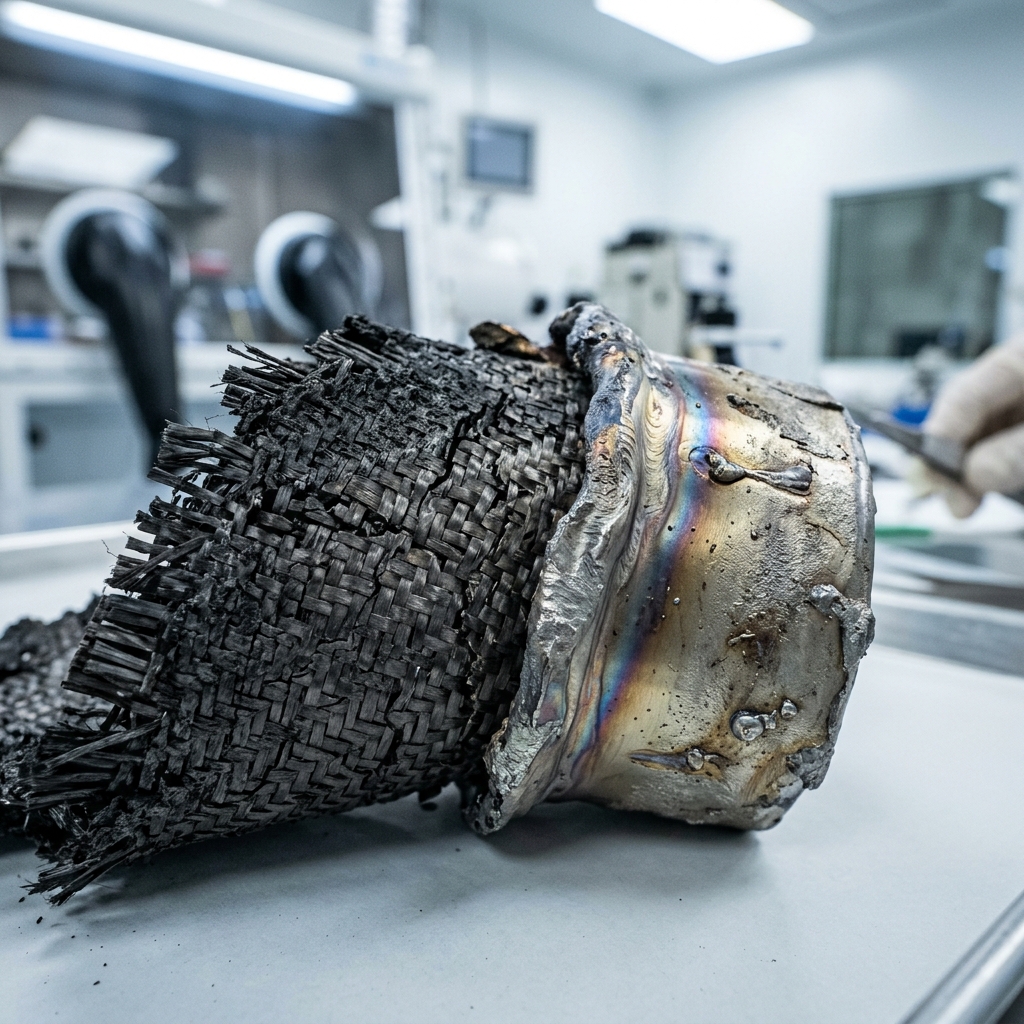
항공우주 재료 분석실에서 진행 중인 대기권 재진입 탄소섬유 복합재 및 티타늄 합금 파편의 정밀 금속 현미경 감식
▲ 항공우주 안전 연구소에서 조사관이 대기권 재진입 초고열을 견뎌낸 탄소복합재 압력용기의 직조 섬유와 티타늄 합금 표면을 정밀 감식하고 있다. 만인의 탑 편집국

2. 2,000℃ 마찰열 견딘 ‘괴물 부품’… 탄소복합재 압력탱크(COPV)의 역설

대중에게 널리 알려진 "우주 쓰레기는 대기권으로 재진입하면서 공기 마찰열로 전소되어 사라진다"는 상식은 첨단 우주 공학의 발전 앞에서 산산조각 났다. 최근 우주 발사체와 인공위성에는 발사 중량을 줄이고 초고압을 견디기 위해 최첨단 고강도 복합소재가 대거 투입된다. 대표적인 것이 탄소섬유로 겉을 감싸고 내벽을 티타늄이나 알루미늄으로 보강한 '탄소복합재 압력탱크(COPV)'다.

이러한 부품들은 대기권 재진입 시 발생하는 1,500~2,000℃의 극초음속 플라즈마 마찰열 속에서도 겉표면만 탄화될 뿐, 구조적 형체를 그대로 유지한 채 지표면까지 살아남는다. 항공우주 분석 전문가들에 따르면, 통제되지 않은 상태로 재진입하는 위성과 로켓 상단부의 전체 질량 중 무려 10%에서 40%가 전소되지 않고 초음속(마하 1~2)의 종단 속도로 지표면에 도달한다. 가장 가볍고 튼튼하게 만든 최첨단 우주 소재가 지상에서는 가장 파괴적인 '하늘에서 떨어지는 흉기'로 변모하는 역설이다.

사례 구분 미국 미네소타 옥수수밭 (금번 추락) 인도네시아 수마트라 (금번 추락) 호주 뉴사우스웨일스 양 농장 (2022)
발견 일시 2026년 10월 중순 2026년 10월 20일경 2022년 7월
추정 출처 민간 발사체 2단 상단부 상업용 군집위성 발사체 잔해 스페이스X 크루 드래곤 트렁크
잔해물 성격 탄소복합재 고압용기(COPV) 초내열 티타늄 원통형 파편 탄소복합재 3미터 대형 파편
피해 상황 농경지 훼손 및 깊은 크레이터 민가 지붕 파손 및 주민 대피 양 방목장 지표면 수직 관통
법적·보상 쟁점 미 연방항공청(FAA) 잔해 수거 인도네시아 우주청(BRIN) 정밀 분석 스페이스X 현장 조사팀 급파 수거
재발 방지 대책 저궤도 상단부 통제 낙하 의무화 적도권 국제 우주감시 레이더 확충 우주 쓰레기 능동 포획(ADR) 도입
SPONSORED · ADVERTISEMENT

3. 수만 기 쏟아지는 ‘저궤도 군집위성’… 대기권 자연 소멸 신화의 붕괴

문제의 근본적인 도화선은 상업용 저궤도 초대형 군집위성(Mega-Constellation)의 폭발적인 증가다. 일론 머스크의 스페이스X는 이미 6,000기 이상의 스타링크 위성을 궤도에 올려놓았으며 궁극적으로 4만 2,000기 배치를 목표로 하고 있다. 여기에 아마존의 프로젝트 카이퍼(3,200기), 중국의 국가 위성망 궈왕(1만 3,000기) 등이 가세하며 향후 5년 내 지구 저궤도에는 10만 기에 달하는 인공위성이 빽빽하게 들어찰 전망이다.

저궤도 위성의 평균 수명은 불과 5년에 불과하다. 수명이 다한 위성들은 고도가 서서히 떨어지며 대기권으로 떨어져 내리게 되는데, 현재의 발사 속도라면 매일 1~2개 이상의 위성이나 대형 로켓 부품이 지구 대기권으로 무통제 재진입(Uncontrolled Re-entry)하는 사태가 일상화된다. 바다나 사막이 아닌 육지 인구 밀집 지역에 파편이 떨어질 확률이 기하급수적으로 치솟고 있는 이유다.

4. 10년 내 인명 살상 확률 10배 폭증… 적도권 국가에 집중된 ‘우주 환경적 부정의’

학계의 통계적 시뮬레이션은 충격적인 수치를 가리킨다. 세계적인 과학 저널 네이처 천문학(Nature Astronomy)에 발표된 캐나다 브리티시컬럼비아대 연구팀의 분석에 따르면, 향후 10년 동안 통제되지 않은 우주 쓰레기 낙하로 인해 사람이 다치거나 사망할 확률은 기존 1만분의 1에서 1,000분의 1 수준으로 무려 10배 이상 폭증할 것으로 추산되었다.

더욱 심각한 문제는 '우주 환경적 부정의(Environmental Injustice)'다. 위성을 쏘아 올리고 상업적 이익을 독식하는 국가는 미국, 유럽, 중국 등 북반구 선진국이지만, 로켓 발사 궤적과 지구 자전, 궤도 경사각의 역학적 특성상 재진입 파편의 낙하 위험은 인도네시아, 인도, 동남아시아, 나이지리아 등 적도 인근 저위도 개발도상국에 3~4배 이상 집중된다. 우주 개발의 혜택은 누리지 못한 채 하늘에서 떨어지는 불벼락의 공포를 고스란히 떠안아야 하는 불평등 구조가 고착화되고 있다.

🎭 만인의 탑 문화 비평 데스크의 시선
단순한 화제성 소비를 넘어, 자신의 삶을 진솔하게 마주하고 서로의 성장을 응원하는 모습은 각박한 현대 사회에서 대중에게 깊은 공감과 위로를 건네고 있습니다.
RECOMMENDED STORIES · SPONSORED
발행·편집인: 신승엽
Charred Space Debris Crashes in Indonesia and Minnesota Farm: Surge in Mega-Constellations Sparks Alarms Over Ground Casualties
▲ Official Press Coverage & Contextual Archive / MANINTOP Global Newsroom
MANINTOP GLOBAL NEWSROOM · ENGLISH EDITION

Charred Space Debris Crashes in Indonesia and Minnesota Farm: Surge in Mega-Constellations Sparks Alarms Over Ground Casualties

The cinematic nightmare of cosmic debris plummeting from orbit has materialized across rural farmlands on opposite sides of the globe. Within days of each other, massive charred cylinders of aerospace wreckage—weighing hundreds of kilograms—crashed into an inhabited rural village in Indonesia and a sprawling cornfield in southern Minnesota, USA. Having survived atmospheric friction temperatures exceeding 1,500°C, these fragments were identified as carbon-composite overwrapped pressure vessels (COPVs) and titanium alloy tanks from rocket upper stages. With commercial mega-constellations like SpaceX Starlink and Amazon Kuiper launching tens of thousands of satellites into low-Earth orbit (LEO), astrophysicists warn that uncontrolled atmospheric re-entries are escalating rapidly, raising the probability of ground casualties tenfold over the coming decade.
📌 Key Takeaways
  • Verified factual reporting regarding Charred Space Debris Crashes in Indonesia and.
  • In-depth contextual and institutional analysis by MANINTOP Global Newsroom.
  • Official implementation schedule and verifiable public guidelines confirmed.

1. Roaring Impacts in Global Farmlands: Charred Cylinders Strike Opposite Hemispheres

The alarming nature of the incidents stems from their simultaneous occurrence across two distinct continents. In an agricultural village in Indonesia, villagers were startled by a sonic boom followed by the high-velocity impact of a blackened metallic cylinder measuring 1.5 meters across, gouging a deep crater mere meters from residential dwellings. Days earlier, a farmer harvesting corn in Goodhue County, Minnesota, stumbled upon a massive composite tank scorched by atmospheric plasma. While catastrophic casualties were miraculously avoided, the near-misses underscore the peril of uncontrolled re-entries over populated geographic corridors.

2. Surviving 2,000°C Plasma: The Paradox of Carbon-Composite Aerospace Tanks

The longstanding public assumption that orbital debris completely incinerates upon atmospheric entry has been shattered by advanced aerospace materials. Modern launch vehicles utilize carbon-overwrapped pressure vessels (COPVs)—lined with titanium or aluminum and wound with high-tensile carbon fibers—to withstand extreme internal pressures while saving structural weight. These hyper-durable materials ablate only superficially during hypersonic re-entry, allowing between 10% and 40% of a rocket stage's dry mass to reach terminal velocity and strike the Earth intact.

3. The Mega-Constellation Boom: Demise of Natural Atmospheric Cleansing

The underlying driver of this debris surge is the explosive expansion of commercial low-Earth orbit mega-constellations. SpaceX has deployed over 6,000 Starlink satellites with plans for up to 42,000, while Amazon's Project Kuiper and China's Guowang aim to loft tens of thousands more. With operational lifespans averaging just five years, the sheer volume of de-orbiting hardware means multiple uncontrolled re-entry events now occur weekly, making impacts on inhabited land masses statistically inevitable rather than an anomaly.

4. Tenfold Surge in Casualty Risks: The Reality of Orbital Environmental Injustice

Statistical modelling published in Nature Astronomy reveals that the collective probability of orbital debris causing human injury or death will surge from 1 in 10,000 to approximately 1 in 1,000 over the next decade. Crucially, orbital mechanics dictate that equatorial and low-latitude regions—including Indonesia, India, and sub-Saharan Africa—face disproportionate casualty risks despite northern hemisphere nations enjoying the lion's share of commercial and strategic satellite revenues, illustrating a stark dynamic of global orbital environmental injustice.

5. Strict Liability vs. Attribution Hurdles: The Push for 'Design for Demise'

Legal remedies remain hamstrung by the 1972 UN Space Liability Convention, which imposes absolute liability on launching states for surface damage but struggles when heat-ablated debris lacks legible serial numbers. International regulators and the UN Committee on the Peaceful Uses of Outer Space (COPUOS) are urgently demanding binding 'Design for Demise' (D4D) mandates—requiring low-melting-point materials that vaporize entirely—alongside dedicated de-orbit propulsion systems to guide retiring spacecraft safely into remote oceanic cemeteries like Point Nemo.

Incident Case Minnesota Cornfield (Recent) Sumatra Village (Recent) NSW Australian Farm (2022)
Date of Discovery Mid-October 2026 Late October 2026 July 2022
Suspected Origin Commercial Rocket Upper Stage Mega-Constellation Deployment Booster SpaceX Crew Dragon Trunk Debris
Debris Profile Carbon-Overwrapped Vessel (COPV) Heat-Shielded Titanium Cylinder 3-Meter Carbon-Composite Fragment
Impact & Damage Agricultural Furrow & Deep Crater Roof Punctures & Village Evacuation Vertical Ground Penetration in Pasture
Legal & Regulatory FAA Field Inspection & Chain of Custody Indonesian Space Agency (BRIN) Forensics SpaceX Recovery Team Deployed
Mitigation Mandate Mandatory Controlled Stage Disposal Equatorial Re-entry Radar Expansion Active Debris Removal (ADR) Adoption
Publisher & Editor-in-Chief: Seung Youb Ssin, Ph.D.
Global Newsroom: MANINTOP GLOBAL NEWSROOM

댓글 쓰기

0 댓글