| 대한민국판 서울 16.5℃ 맑음
🔍 기사 검색 🔑 로그인 · 구독 신문사 소개 기사 제보
/
LIFE & INFO 삶의 지혜
MANINTOP DAILY NEWS 우리들의 삶을 윤택하게 하는 정보를 담은 뉴스
DAILY NEWS 유익한 정보
만 인 의 탑
우리들의 삶을 윤택하게 하는 정보를 담은 뉴스
MANINTOP DAILY NEWS
인터넷신문 | https://information.youngsdaily.com

[기획] "매달 200만원 믿었는데 반토막"… 현대차 몰빵 30대 파이어족의 눈물과 건보료 폭탄

[기획] "매달 200만원 믿었는데 반토막"… 현대차 몰빵 30대 파이어족의 눈물과 건보료 폭탄

배당 투자 자산 손실과 파이어족 재정 위기 보도사진
▲ 안정적인 배당 소득을 꿈꾸며 단일 대형주에 집중 투자했던 조기 은퇴자가 주가 급락과 예상치 못한 건강보험료 고지서를 마주하며 심각한 재정적 딜레마에 빠진 모습. / 공식 보도자료 사진
3줄 핵심 요약 (Key Takeaways)
  • 현대차 단일 종목 집중 투자와 2억 3,000만 원 레버리지 대출로 조기 은퇴를 선언했던 30대 파이어족이 주가 반토막으로 순자산 3.98억 원 급감 및 복직 위기에 직면했습니다.
  • 고배당 분리과세 혜택 이면에 연 금융소득 1,000만 원 초과 시 건보 피부양자 자동 탈락과 재산 합산 점수로 인한 월 수십만 원 건보료 폭탄이라는 정책적 모순이 도사리고 있습니다.
  • 국내 상장 미국배당다우존스 ETF 4종의 표면 보수 100원 착시와 환노출 역풍을 극복하고 은퇴 후 50년을 완주하기 위해서는 마코위츠 포트폴리오 기반 4분할 자산 배분이 필수적입니다.

매달 안정적인 세후 200만원 수준의 배당금을 받으며 직장을 떠나려던 계획이 한순간에 자산 반토막 사태로 무너지면서, 현대차 주식에 전 재산을 몰빵했던 30대 파이어족의 눈물이 시장에 뼈아픈 경종을 울리고 있습니다. 고배당주로 조기 은퇴를 꿈꿨으나 주가 폭락과 눈덩이 대출이자, 여기에 배당소득으로 인한 피부양자 박탈과 지역가입자 건보료 폭탄이라는 예상치 못한 3중고가 겹치면서 경제적 자유의 환상은 7개월 만에 복직 위기로 뒤바뀌었습니다.

"월 200만 원 배당으로 조기 은퇴"… 현대차 75만 원 환호 뒤 찾아온 반토막 비극

경제적 독립과 조기 은퇴를 뜻하는 파이어(FIRE) 열풍 속에서 특정 대형주 하나만 믿고 퇴사표를 던졌던 청년 은퇴자의 자산 붕괴 과정은 탐사 취재 현장에서 충격적인 실체를 드러냈습니다. 한 30대 직장인은 재테크 전문 방송에 출연해 총자산 11억 원 중 2억 3,000만 원의 부채를 뺀 순자산 약 9억 원의 75%를 현대차 보통주와 우선주에 집중 투자했다고 당당히 밝혔습니다. 그의 청사진은 현대차 우선주 2,000주를 쥐고 매달 세후 200만 원의 배당을 받아 평생 일하지 않고 살겠다는 계산이었으며, 이를 위해 무려 여섯 차례에 걸쳐 대출을 일으키는 공격적인 빚투를 감행했습니다.

초기 국면에서는 시장 흐름이 장밋빛이었습니다. 코스피 지수가 9,000선까지 치솟고 현대차 주가가 75만 원을 찍으며 투자자가 내세웠던 목표가 74만 원을 훌쩍 넘어서는 환희의 순간도 있었습니다. 그러나 영원할 것 같던 상승장은 급격히 얼어붙었습니다. 코스피가 5,500선으로 곤두박질치고 현대차 본주가 29만 3,000원으로 고점 대비 반토막 이하로 추락했으며, 우선주 역시 15만 원대로 수직 낙하했습니다. 그 결과 주식 평가액은 4억 원 안팎으로 쪼그라들었고, 갚아야 할 대출 원리금을 감안한 실제 순자산은 3억 9,800만 원 수준까지 증발했습니다. 은퇴를 선언한 지 불과 7개월 만에 커뮤니티에서는 다시 출근해야 할 처지라는 탄식이 쏟아졌고, 단일 종목 몰빵의 비참한 취약성이 만천하에 드러났습니다.

구분 항목 실패한 파이어족의 전형 성공한 파이어족의 전략 심층 시사점 및 분석 포인트
수입 구조 완전 무소득 (자산 매도 및 단일 배당에 100% 의존) 유연한 소득 유지 (프리랜스, 파트타임, 다각화된 인컴) 은퇴의 본질은 무소득이 아닌 수입 구조의 창의적 재설계
투자 전략 단일 종목·성장주 몰빵 (공격적 레버리지 대출 수반) 주식·채권·부동산·현금성 자산 분산 포트폴리오 구축 수익률 극대화보다 하방 경직성과 생존 가능성 최우선 확보
지출 관리 은퇴 전 소비 수준 고수, 물가 상승률 미반영 지출 최적화, 고정비 긴축, 저비용 주거 지역 이주 생활비를 유연하게 조절할 수 있는 지출 통제력의 차이
심리적 준비 은퇴는 영원한 자유라는 막연하고 낭만적인 기대감 구체적인 생산적 취미, 자기계발, 지역사회 커뮤니티 연결 역할 상실감과 고립감을 방지하기 위한 정서적 안전판 설계

성공적인 파이어족으로 꼽히는 미국의 피터 아덴시는 연간 생활비의 25배를 저축한 뒤 4% 규칙을 엄격히 적용하면서도, 저비용 지역에 살며 주식·채권·부동산으로 자산을 다각화했습니다. 은퇴 후에도 글쓰기와 강연으로 소액의 현금 파이프라인을 유지하며 생산적인 일상을 누렸습니다. 반면 호황기 테크주에 올인했던 또 다른 조기 은퇴자는 2022년 하락장에 자산의 40%를 날리고, 줄이지 못한 고정비와 갑작스러운 병원비 부담이 겹치면서 3년 만에 다시 회사로 돌아가야 했습니다. 소득 다각화와 철저한 지출 통제가 없는 조기 은퇴는 사상누각에 불과하다는 뼈아픈 교훈입니다.

세금 아끼려다 건보료 폭탄… 배당 1,000만 원 초과 시 피부양자 박탈의 덫

정부가 자본시장 밸류업을 외치며 고배당 기업 주주에게 세제 혜택을 주겠다고 홍보하고 있지만, 실제 은퇴 현장에서는 건강보험료 규제라는 복병에 걸려 투자자들이 비명을 지르고 있습니다. 국내 주식 배당금에는 기본적으로 소득세 14%와 지방소득세 1.4%를 더한 15.4%의 원천징수 세율이 매겨집니다. 100만 원의 배당이 나오면 15만 4,000원을 떼고 84만 6,000원이 입금되며, 일반 소액 주주는 이것으로 세금 납부가 끝납니다. 하지만 연간 이자와 배당을 합한 금융소득이 2,000만 원을 넘어서는 순간 금융소득종합과세 대상자로 전환되어 최고 49.5%의 누진세율을 두들겨 맞게 됩니다.
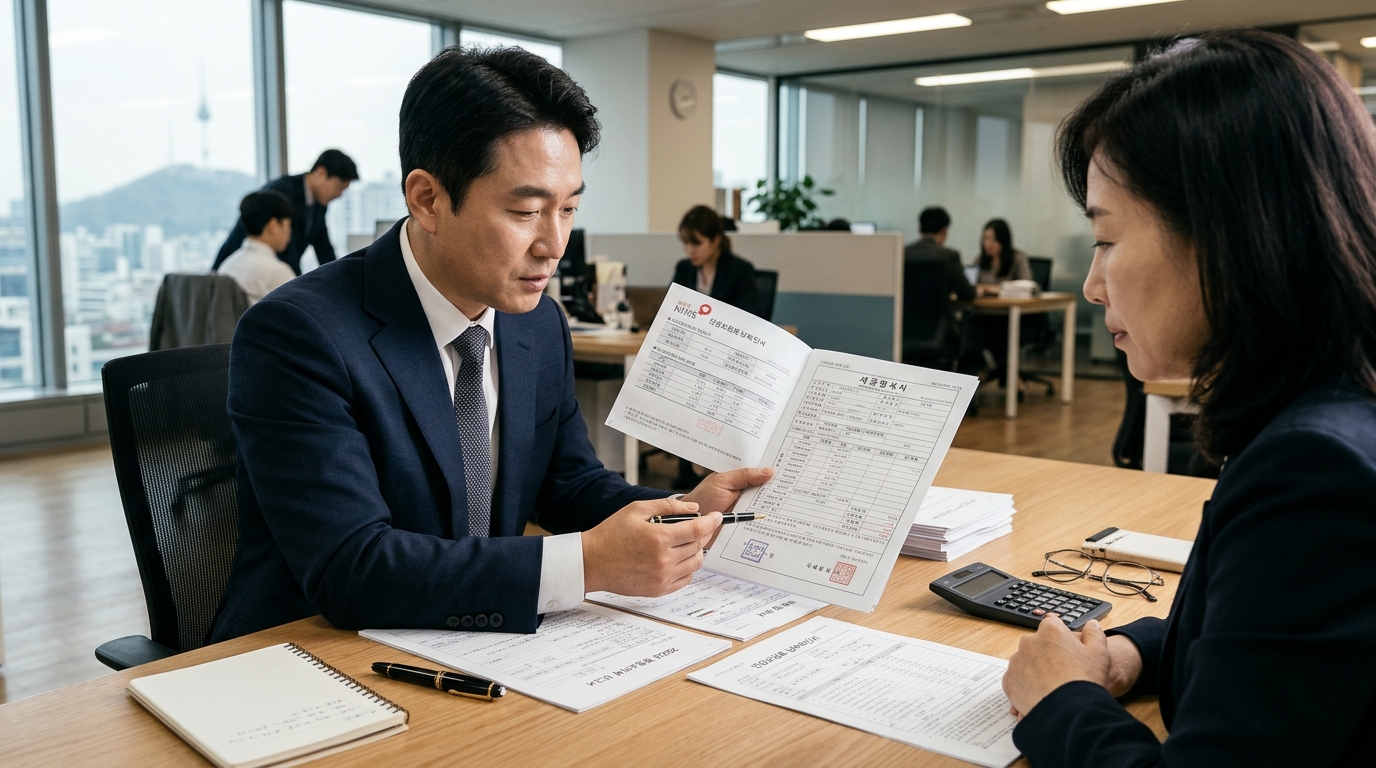
세무 전문가와 금융소득 과세 및 건강보험료 상담 현장 사진
▲ 금융소득종합과세 기준과 건강보험 피부양자 자격 요건을 정밀 점검하며 세무·재정 리스크를 상담하는 서울 시내 자산관리 창구. / 공식 보도자료 사진

문제는 정부가 고배당 주주에게 제시한 15.4~33%의 분리과세 혜택이 빛 좋은 개살구에 그치고 있다는 점입니다. 국민건강보험 규정상 배당을 포함한 연간 합산 소득이 1,000만 원을 단 1원이라도 넘기면 직장가입자의 피부양자 자격이 가차 없이 박탈됩니다. 피부양자에서 쫓겨나 지역가입자로 전환되는 순간, 배당소득뿐 아니라 보유 중인 아파트 등 부동산 재산과 자동차까지 전부 점수로 환산되어 매월 수십만 원의 건강보험료 고지서가 날아옵니다. 더욱이 연간 2,000만 원을 초과하는 분리과세 금융소득에 건강보험료가 부과될 경우 투자자가 체감하는 실질 부담 세율은 30%를 훌쩍 넘어서게 됩니다.

보건복지부는 국세청과 과세 자료가 연계되면 분리과세 금융소득에도 즉시 건보료를 매길 수 있다는 입장을 유지하면서도, 민심 반발을 의식해 최종 결정을 내리지 못한 채 줄타기를 하고 있습니다. 그러나 수년간 흑자를 내던 건강보험 재정이 올해 최대 2조 원 적자로 돌아설 수 있다는 암울한 전망이 나오면서 건보료 징수 칼날은 더욱 날카로워질 수밖에 없습니다. 게다가 9.9% 분리과세를 내세운 기업성장집합투자기구(BDC) 상품 역시 혜택은 2028년까지 3년 한시적인 반면 비상장사 IPO 소요 기간은 평균 14.9년에 달해, 엇박자 행정이라는 학계의 비판이 쏟아지고 있습니다. 은퇴자들은 ISA나 연금저축, IRP 같은 절세 계좌를 방패막이로 삼아 금융소득 합산을 철저히 차단해야 하는 상황입니다.

6년 만의 역성장과 환율 착시… 현대차·기아 3분기 실적과 주주환원 펀더멘털

배당 투자자들이 굳건히 믿고 있던 현대자동차와 기아의 2026년 3분기 실적 성적표를 들여다보면, 겉보기 지표 뒤에 숨겨진 실질적인 체력 저하가 여실히 드러납니다. 현대차는 노조 파업 여파로 국내 공장 생산 차질이 빚어지면서 3분기 매출이 전년 동기 대비 3.4% 줄어든 45조 1,102억 원에 그쳤습니다. 분기 매출이 역성장한 것은 2020년 코로나 사태 이후 6년 만에 처음 발생한 사건입니다. 반면 기아는 맞춤형 하이브리드 전략으로 분기 최대 매출인 31조 5,974억 원을 달성하며 외형에서는 엇갈린 행보를 보였습니다.
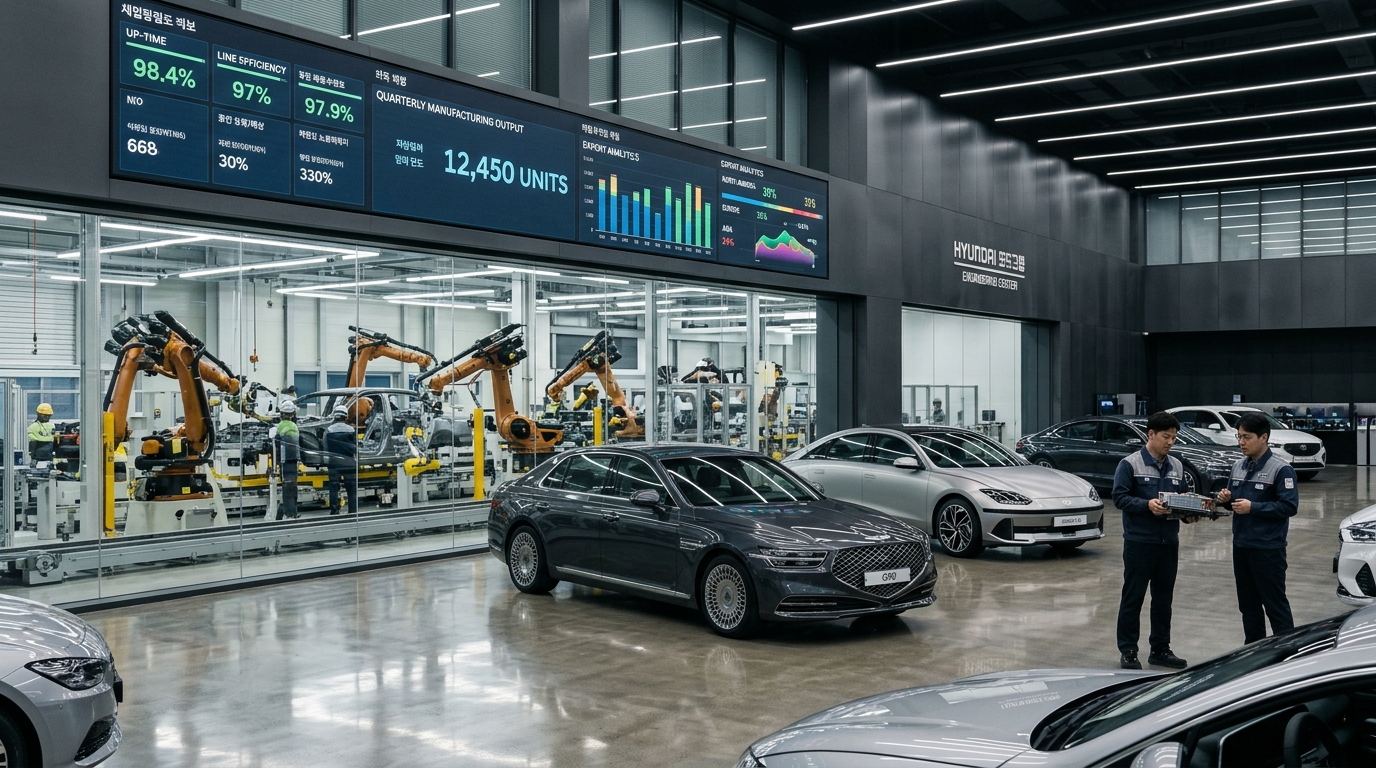
현대차 기아 고성능 친환경 차량 생산 시설 및 쇼룸 현장 사진
▲ 첨단 로봇 자동화 라인과 플래그십 하이브리드 차량이 전시된 국내 완성차 제조 시설 및 실적 모니터링 현장. / 공식 보도자료 사진

양사의 영업이익은 현대차가 5.5%, 기아가 24.3% 증가해 얼핏 보면 호실적을 낸 것처럼 보이지만, 그 내막은 관세 인하와 고환율이라는 외부 요인이 만들어낸 착시였습니다. 미국 정부가 한국산 완성차 관세를 25%에서 15%로 낮추면서 기아 한 곳에서만 5,330억 원의 영업이익 개선 효과가 발생했습니다. 여기에 3분기 원·달러 평균 환율이 1,423원까지 치솟으면서 현대차는 1조 2,830억 원, 기아는 5,290억 원의 이익을 순전히 환율 덕분으로 챙겼습니다. 관세와 환율이라는 일회성 호재를 걷어내면 실질 본업 경쟁력은 사실상 멈춰 섰거나 후퇴했다는 것이 증권가의 서늘한 진단입니다. 실적 발표 당일 기아가 11.73% 폭락하고 현대차가 3.59% 떨어진 이유가 바로 여기에 있습니다.

4분기 전망도 결코 낙관하기 어렵습니다. 중동 분쟁 장기화로 해상 물류비가 뛰고, 글로벌 시장에서 중국 전기차들의 저가 공세를 막아내기 위해 딜러 인센티브를 쏟아붓다 보니 수익성이 빠르게 깎여나가고 있습니다. 이에 현대차 경영진은 연간 도매 판매 목표를 종전 415만 8,300대에서 400만 대로 낮추고, 영업이익률 목표도 5.5~6.5%로 낮췄으며, 설비투자를 포함한 완성차 투자액을 1조 8,000억 원 축소했습니다. 현대차우(005385) 주가가 고점 대비 55% 폭락한 14만 원대에서 PER 4.3배, PBR 0.31배로 역사적 저평가 상태에 놓여 있고 총주주환원율 35%를 내걸고는 있지만, 본업 수익성이 흔들리면 장기 배당 성장률도 둔화될 수밖에 없음을 투자자들은 직시해야 합니다.

표면 보수 0.0099%의 눈속임… 국내 상장 SCHD 4종의 숨겨진 비용과 환율 역풍

미국의 간판 배당 ETF인 슈왑 미국배당다우존스(SCHD)를 그대로 본떠 상장한 국내 운용사들의 '한국형 SCHD ETF'는 매달 배당을 받고 싶어 하는 개인들의 필수 투자처로 자리 잡았습니다. 하지만 운용사들이 마케팅으로 내세우는 총보수 인하 경쟁 속에는 소비자가 미처 알아채지 못하는 비용의 함정이 숨어 있습니다. 순자산 4조 4,000억 원의 TIGER, 1조 원대의 SOL, 9,600억 원 규모의 ACE, 그리고 6,100억 원 규모의 KODEX가 각축전을 벌이고 있으나, 최근 1년 순자산가치(NAV) 수익률은 24.09%에서 24.45%로 격차가 0.36%포인트에 불과합니다.

종목명 (단축코드) 운용사 표면 연 총보수 순자산 규모 최근 1년 NAV 수익률 분배금 지급 기준일
TIGER 미국배당다우존스 (458730) 미래에셋자산운용 0.0100% 4조 4,087억 원 24.11% 매월 말일
ACE 미국배당다우존스 (402970) 한국투자신탁운용 0.0100% 9,637억 원 24.30% 매월 중순 (15일 전후)
SOL 미국배당다우존스 (446720) 신한자산운용 0.0100% 1조 330억 원 24.09% 매월 말일
KODEX 미국배당다우존스 (489250) 삼성자산운용 0.0099% 6,140억 원 24.45% 매월 중순 (15일 전후)

투자자들이 가장 먼저 경계해야 할 것은 0.01%와 0.0099%라는 보수율의 눈속임입니다. 1억 원을 투자했을 때 두 보수 간의 연간 차이는 고작 100원에 지나지 않습니다. 실제로 투자자가 짊어지는 비용은 표면 총보수 외에도 펀드 내 회계 감사 및 지수 사용료 같은 기타비용, 펀드가 주식을 사고팔 때 발생하는 매매중개 수수료, 그리고 호가 스프레드까지 3단계로 누적됩니다. 따라서 금융투자협회 전자공시를 통해 기타비용이 전부 포함된 실제 총보수비용(TER)을 반드시 따져보아야 합니다.

더욱 치명적인 위험은 바로 환노출 구조입니다. 국내 상장된 대표 4종 ETF는 원화로 거래되지만 미국 주식과 달러 가치에 그대로 연동되는 환노출형 상품입니다. 만약 미국 증시에서 배당주 주가가 5% 상승하더라도 원·달러 환율이 달러당 1,400원에서 1,260원으로 10% 급락한다면, 투자자의 실제 원화 수익률은 마이너스 5.5%로 돌아서게 됩니다. 배당금이 나와도 환율 하락 폭이 더 크면 원금 손실을 피할 수 없는 구조적 역풍을 간과해서는 안 됩니다.

월 100만 원 받으려면 4억 필요… 분배락 착시와 인플레이션 50년의 공포

배당 ETF 투자에 뛰어드는 초보자들이 가장 흔하게 저지르는 착각은 적은 돈으로도 풍족한 월급을 만들 수 있다는 환상입니다. 현실에서 세전 월 100만 원의 배당 현금흐름을 확보하려면 연 3.0~3.5%의 현실적인 배당수익률을 기준으로 최소 3억 5,000만 원에서 4억 원에 달하는 순수 종잣돈이 투입되어야 합니다. 게다가 배당금이 지급되는 날에는 주가가 배당금만큼 떨어지는 분배락이 발생하기 때문에, 배당금은 은행 이자처럼 하늘에서 떨어지는 공짜 돈이 아니라 내 주식 자산의 일부를 현금화하는 과정임을 명심해야 합니다.

특히 30대나 40대에 회사를 그만둔 조기 은퇴자들은 최소 50년이라는 반세기 동안 월급 없이 살아가야 합니다. 이때 가장 무서운 적은 시간과 함께 불어나는 인플레이션입니다. 첫해에 월 300만 원(연 3,600만 원)으로 생활하던 은퇴자가 매년 3%의 물가 상승을 겪게 될 경우, 20년 뒤에는 똑같이 먹고살기 위해 연 5,418만 원이 필요하고, 50년 뒤에는 무려 연 1억 5,782만 원이 필요해집니다. 물가를 이기지 못하는 단순 고배당주에 머물렀다가는 노후 후반부로 갈수록 실질 구매력이 반토막 나는 파멸을 피할 수 없습니다.

또한 은퇴 설계에서 가장 위험한 복병은 은퇴 직후 1~3년 차에 찾아오는 '수익률 순서 리스크(Sequence of Returns Risk)'입니다. 조기 은퇴를 선언하자마자 거대한 대세 하락장을 만나 원금이 30~40% 쪼그라든 상태에서 생활비를 충당하기 위해 주식을 헐값에 팔아치우면, 훗날 시장이 대세 상승으로 돌아서더라도 다시 복리로 회복할 원금 자체가 사라져 버립니다. 이를 막기 위해 은퇴 초기에는 최소 2~3년 치 생활비를 발행어음형 CMA나 파킹통장 등 원금 보장형 안전 현금으로 떼어놓는 완충 장치를 반드시 마련해야 합니다.

마코위츠가 증명한 몰빵의 파멸… '수익률 순서 리스크' 막는 4분할 자산 배분

노벨 경제학상을 수상한 해리 마코위츠의 현대 포트폴리오 이론은 왜 단일 종목 몰빵이 파멸로 이어질 수밖에 없는지를 수학적으로 증명합니다. 금융 시장에서 자산의 위험은 특정 회사의 파업이나 경영진 악재처럼 개별 기업에 국한된 '비체계적 위험'과 금리 인상이나 전쟁처럼 시장 전체를 흔드는 '체계적 위험'으로 나뉩니다. 비체계적 위험은 서로 다른 산업의 20~30개 종목으로 분산만 해도 공짜로 없앨 수 있기 때문에, 시장은 이 위험을 떠안는 투자자에게 단 1원의 추가 수익 프리미엄도 주지 않습니다. 특정 대형주에 인생을 거는 몰빵 투자는 아무런 보상도 없는 위험을 자진해서 뒤집어쓰는 가장 어리석은 도박인 셈입니다.

자산군 (목표 비중) 추천 투자 수단 포트폴리오 방어 역할 거시경제적 기대 효과
글로벌 우량 기술성장주 (40%) S&P 500, 나스닥 100 ETF 인플레이션을 압도하는 자본 차익 및 원금 성장판 글로벌 빅테크 독점력 기반 장기 우상향 복리 엔진 작동
미국 우량 배당성장주 (30%) 미국배당다우존스 ETF (SCHD 등) 물가상승률 이상으로 매년 늘어나는 안정적 배당 소득 강력한 잉여현금흐름 기반 주주환원으로 실질 구매력 방어
중단기 국채 및 실물 금 (20%) 미국 중기 국채, KRW 금 현물 지정학 위기 방어 및 주식 하락장 쿠션 완충 작용 글로벌 중앙은행 금 매입 기조 및 안전자산 도피 수요 흡수
안전마진 예비 현금 (10%) 발행어음형 CMA, 초단기 채권, 파킹통장 폭락장 발생 시 2~3년 치 생활비 조달 및 저가 매수 실탄 하락장 속 주식 강제 헐값 매도 방지 및 심리적 평정 유지

진정한 경제적 자유를 지탱하는 비결은 서로 다른 방향으로 움직이는 음의 상관관계 자산들을 한 바구니에 담는 분산투자에 있습니다. 주식이 하락할 때 국채와 금이 버텨주고, 인플레이션이 몰아칠 때 기술성장주가 원금을 불려주며, 배당성장주가 생활비를 조달하고, 10%의 예비 현금이 폭락장에서 주식을 팔지 않고 버티게 해줄 때 비로소 50년의 은퇴 레이스를 완주할 수 있습니다. 단일 고배당주의 화려한 배당수익률에 현혹되어 빚을 내어 몰빵하는 순간, 은퇴의 환상은 뼈아픈 파산의 현실로 되돌아올 뿐입니다. 원칙을 지키는 균형 잡힌 자산 배분만이 불확실한 시장에서 나와 가족의 삶을 지켜내는 유일한 나침반입니다.

[In-Depth Analysis] "Believed in $1,500 Monthly Dividends, Lost Half": The Plight of an All-In Dividend Retiree and the Healthcare Premium Shock

Financial loss and FIRE movement portfolio collapse documentation photograph
▲ A young retail investor facing severe portfolio losses and unexpected regional healthcare premium assessments after concentrating his retirement capital into a single high-dividend stock. / Official Press Archive Photo
Key Takeaways
  • A retail retiree in his 30s who leveraged 230 million KRW to invest exclusively in Hyundai Motor equities faces portfolio collapse and forced workplace return as asset values fell by half.
  • The nominal tax benefits of high-dividend separate taxation trigger critical policy traps, including automatic loss of health insurance dependent status above 10 million KRW.
  • Overcoming fee optical illusions and currency headwinds in domestic SCHD ETFs demands a macro-calibrated four-pillar portfolio rooted in Markowitz asset allocation across half a century.

The dream of achieving early retirement on an after-tax monthly dividend income of 2 million KRW has turned into an alarming cautionary tale, as an investor in his thirties who poured all his capital into Hyundai Motor saw his portfolio severed in half. Confronted by steep equity declines, mounting loan interest rates, and an unexpected surge in regional health insurance premiums caused by exceeding dividend thresholds, the fantasy of premature financial freedom dissolved into forced re-employment after just seven months.

"Retiring Early on $1,500 Monthly Dividends": The Tragedy Behind the 50% Plunge Following Hyundai's Peak

Amid the widespread social craze of the FIRE movement, the financial unraveling of a young professional who pinned his life on a single automotive blue-chip has delivered a profound shock to Korean financial markets. Appearing on an investment broadcast, the investor disclosed that he concentrated 75 percent of his 900 million KRW net worth into Hyundai Motor common and preferred shares, while maintaining 230 million KRW in outstanding debt across six separate credit loans. His blueprint rested on securing 2,000 preferred shares to harvest 2 million KRW each month in passive dividends without holding a job.

During the initial euphoric stage, broader indices soared toward historic heights and Hyundai stock touched 750,000 KRW, exceeding his ambitious expectations. However, market conditions shifted violently. When the KOSPI retreated toward 5,500 and Hyundai common shares plummeted to 293,000 KRW, preferred shares broke down toward 150,000 KRW. The market valuation of his holdings shriveled to roughly 400 million KRW, dragging his net equity down to 398 million KRW once liabilities were accounted for. Only seven months following his public retirement declaration, calls mounted across online forums urging him to seek immediate employment, laying bare the extreme fragility of leveraged single-stock concentration.

Category Typical Failed FIRE Sustainable FIRE Strategy Core Takeaways
Income Structure Complete zero income (total reliance on capital gains or single-stock dividends) Flexible earnings retained (freelancing, consulting, diversified cash streams) Retirement represents creative income redesign rather than total earnings cessation
Investment Strategy All-in bets on single equities or speculative growth with heavy leverage Multi-asset portfolio across equities, bonds, real estate, and liquidity buffers Downside resilience and capital longevity prioritized over maximum returns
Expense Control Pre-retirement spending habits maintained, ignoring compounding inflation Rigorous expense optimization, living cost cuts, relocation to lower-cost hubs Agile spending control proves decisive in mitigating adverse market cycles
Psychological Readiness Romanticized vision of retirement as absolute and permanent idleness Tangible engagement through productive hobbies, community roles, and self-growth Structured routines and social anchors built to prevent isolation and void

Celebrated early retiree Peter Adeney demonstrated that true independence requires saving 25 times annual expenditures while executing a disciplined 4 percent rule. By residing in a lower-cost area and dispersing assets across equities, debt, and real estate, he retained supplemental cash flows through publishing and speaking. Conversely, speculative investors who concentrated their net worth in tech equities during historical rallies saw their assets tumble by 40 percent during subsequent downturns, compelling a full-time return to corporate offices once medical expenditures coincided with rigid lifestyle spending.

Saving on Taxes Only to Face a Healthcare Premium Shock: The Trap of Dependent Disqualification Above 10M KRW

While public authorities champion capital market reform by pledging differentiated separate taxation for high-dividend equities, individual investors are encountering a punitive regulatory barrier in national health insurance contributions. In South Korea, dividends face a statutory 15.4 percent withholding tax comprising 14 percent income tax and 1.4 percent local surtax. For everyday retail shareholders, tax liabilities conclude upon withholding. However, once aggregate annual financial earnings exceed the 20 million KRW benchmark, investors are classified under comprehensive taxation, facing progressive brackets reaching up to 49.5 percent.

Certified tax consultation on dividend income taxation and national health insurance liabilities
▲ Financial advisory desk in Seoul conducting detailed portfolio audits regarding dividend tax brackets and dependent qualification criteria under national healthcare guidelines. / Official Press Archive Photo

Crucially, the government's proposed separate tax window of 15.4 to 33 percent masks severe administrative pitfalls. Under National Health Insurance Service regulations, any individual whose annual composite income exceeds 10 million KRW automatically forfeits dependent coverage under workplace-insured family members. Once converted into regional subscribers, contributions are assessed not merely on investment proceeds, but on real estate holdings and motor vehicles, yielding monthly bills of hundreds of thousands of won. Should healthcare levies be enforced upon separate financial income above 20 million KRW, the effective tax rate nears 30 percent, extinguishing nominal tax reductions.

Health authorities have affirmed their operational capacity to assess contributions upon receiving linked tax records, yet have hesitated to execute collection amid intensifying public friction. Nonetheless, with the national health insurance reserve facing potential deficits reaching 2 trillion KRW, revenue collection pressures remain elevated. Furthermore, specialized venture vehicles such as Business Development Companies offer temporary concessions through 2028, even though private enterprise IPO cycles average nearly 15 years. Investors must consequently utilize shelter structures such as Individual Savings Accounts and personal pensions to legally isolate taxable income.

First Negative Growth in Six Years and Exchange Rate Illusions: Q3 Fundamentals of Hyundai and Kia

Scrutiny of corporate earnings reveals that underneath headline expansions, underlying operating momentum for leading domestic automakers has encountered substantial friction. Industrial disruptions from labor negotiations reduced third-quarter revenue for Hyundai Motor by 3.4 percent year-over-year to 45.11 trillion KRW, marking its first quarterly top-line contraction since the 2020 pandemic. In contrast, affiliate Kia achieved a quarterly revenue record of 31.59 trillion KRW, driven by tailored hybrid deployments across regional territories.

Modern automotive assembly facility and corporate vehicle showroom floor
▲ Advanced manufacturing robotics and contemporary eco-friendly sedan displays at an automotive industrial plant in South Korea. / Official Press Archive Photo

Although operating profits rose 5.5 percent for Hyundai and 24.3 percent for Kia, analytical deconstruction confirms that exogenous windfalls provided the primary impetus. The downward revision of United States import tariffs from 25 percent to 15 percent generated a baseline operating profit tailwind of 533 billion KRW for Kia alone. Simultaneously, a depreciating domestic currency averaging 1,423 KRW per dollar supplied 1.28 trillion KRW to Hyundai and 529 billion KRW to Kia. Stripped of tariff adjustments and currency tailwinds, fundamental operational expansion stagnated, prompting an 11.7 percent tumble in Kia's equity price upon earnings release.

Forward headwinds remain formidable. Lingering geopolitical conflicts have sustained elevated maritime shipping costs, while aggressive pricing incentives deployed by foreign electric vehicle competitors have eroded margins. Hyundai leadership responded by scaling down wholesale guidance to 4.0 million units, trimming target operating margins to between 5.5 and 6.5 percent, and curtailing capital expenditures by 1.8 trillion KRW. While preferred shares trade at an extreme price-to-book valuation of 0.31 times with a targeted total shareholder return of 35 percent, investors must recognize that dividend longevity rests entirely on organic cash flow stability.

The 0.0099% Nominal Fee Optical Illusion: Hidden Costs and Currency Headwinds in Four Domestic SCHD ETFs

Locally domiciled exchange-traded funds replicating the Schwab U.S. Dividend Equity ETF have become the primary vehicle for income-seeking market participants. However, aggressive fee reductions promoted by domestic asset management houses conceal multi-layered cost dimensions that warrant rigorous examination. Analyzing flagship offerings including TIGER, SOL, ACE, and KODEX reveals that despite extensive marketing claims, one-year net asset value returns varied by a negligible 0.36 percentage points, ranging from 24.09 to 24.45 percent.

ETF Name & Ticker Asset Manager Stated Annual Expense Total Net Assets 1-Year NAV Return Distribution Date
TIGER U.S. Dividend Dow Jones (458730) Mirae Asset Global Investments 0.0100% 4.4087 Trillion KRW 24.11% Month-End
ACE U.S. Dividend Dow Jones (402970) Korea Investment Management 0.0100% 963.7 Billion KRW 24.30% Mid-Month (15th)
SOL U.S. Dividend Dow Jones (446720) Shinhan Asset Management 0.0100% 1.0330 Trillion KRW 24.09% Month-End
KODEX U.S. Dividend Dow Jones (489250) Samsung Asset Management 0.0099% 614.0 Billion KRW 24.45% Mid-Month (15th)

The marketing battle between stated fees of 0.01 percent and 0.0099 percent represents a statistical mirage, translating into an annual difference of merely 100 KRW per 100 million KRW invested. Real ownership costs encompass three distinct layers: stated management fees, unpublicized custodial overheads, and internal portfolio transaction fees, accompanied by retail bid-ask spreads. Prudent investors must review statutory disclosures to assess the true Total Expense Ratio rather than nominal marketing headlines.

Furthermore, currency exposure presents an inescapable headwind for unhedged funds. While denominated in won, these vehicles reflect underlying dollar movements. If U.S. dividend equities advance by 5 percent while the dollar drops by 10 percent against the Korean currency, the net return turns negative at minus 5.5 percent. Capital erosion resulting from currency depreciation can easily overshadow dividend yields during macroeconomic regime shifts.

Needing $300,000 for $750 a Month: Distribution Ex-Date Illusions and the 50-Year Inflation Threat

A prevalent misconception among aspiring retirees is that modest capital can comfortably finance recurring living costs. Generating a pre-tax income of 1 million KRW each month demands between 350 million and 400 million KRW in unencumbered capital at realistic distribution yields of 3.0 to 3.5 percent. Crucially, distribution ex-dates trigger an equivalent deduction in share price, meaning payouts represent the systematic liquidation of underlying equity value rather than sovereign interest bonuses.

For individuals retiring in their thirties, capital must endure for at least fifty years without supplemental wages. Compounding inflation stands as the most predatory threat over this extended horizon. A baseline monthly budget of 3 million KRW escalating at a modest 3 percent inflation rate balloons to 54.18 million KRW annually after twenty years, and expands to 157.82 million KRW annually by year fifty. Portfolios concentrated purely in static dividend payers inevitably suffer drastic real purchasing power destruction.

Equally hazardous is Sequence of Returns Risk during the opening three years of retirement. When severe market contractions erase 30 to 40 percent of capital while living expenses are concurrently withdrawn, subsequent market recoveries lack the arithmetic foundation to restore lost principal. To insulate against structural liquidation during drawdowns, investors must maintain two to three years of baseline living reserves within insulated liquidity instruments such as cash management accounts.

Markowitz's Mathematical Proof of All-In Catastrophe: Four-Pillar Asset Allocation Guarding Against Sequence of Returns Risk

Modern portfolio theory formulated by Harry Markowitz mathematically establishes why single-asset concentration ensures eventual failure. Market volatility bifurcates into unsystematic risk tied to corporate governance or labor disputes, and systematic risk driven by macroeconomic recessions or geopolitical shocks. Because unsystematic risk can be eliminated cost-free through twenty to thirty diversified holdings, financial markets provide zero return premium for enduring it. Concentrating wealth into a single issuer constitutes an uncompensated gamble.

Asset Class (Target Weight) Recommended Instruments Portfolio Defense Function Macroeconomic Strategic Rationale
Global Technology Growth Equities (40%) S&P 500, Nasdaq 100 Index Funds Capital appreciation outpacing long-term inflation Compounding wealth engine anchored in global technology balance sheets
U.S. Dividend Growth Equities (30%) U.S. Dividend Dow Jones ETFs (SCHD) Systematic, growing cash flow exceeding inflation rates Robust free cash flow distributions shielding real purchasing power
Intermediate Treasuries & Physical Gold (20%) U.S. Intermediate Debt, Spot Physical Gold Geopolitical crisis cushion and equity drawdown insulation Sovereign reserve accumulation and systemic safe-haven demand absorption
Safety Margin Liquidity Reserve (10%) Cash Management Accounts, Short-Term Repos Funding 2-3 years of living costs and opportunism in crashes Preventing distressed forced selling during market drawdowns

The foundation of enduring financial sovereignty rests upon combining non-correlated assets along the efficient frontier. When equities decline, treasuries and precious metals provide liquidity insulation; when inflationary pressures accelerate, technological leaders expand capital bases; and designated cash reserves ensure retirees never liquidate depressed assets during cyclic troughs. Sustainable early retirement demands unwavering commitment to balanced asset allocation, serving as the sole reliable compass across multi-decade market cycles.

PRO SOURCING ENGINE 만인의 탑 빅데이터 솔루션
★ 가입 시 600 크레딧(120회) 전원 무료

내가 찾는 상품 키워드, 지금 얼마나 검색될까?

네이버 월간 검색량 + 구글 볼륨 + 아이템스카우트 실시간 상품수와 경쟁강도 배지를 0.5초 만에 무료로 확인하세요.

신고하기

이 블로그 검색

환절기 감기 예방법 찐실천 후기와 전문가 조언으로 완성한 코와 목 관리 99% 방어 루틴

리모델링 아파트 계약금 10%는 언제 내나요? 계약서·공고문으로 확인하는 납부 시점

윤석열 탄핵·12·3 비상계엄·내란 혐의 재판까지: 근거로 확인되는 범위만 한 번에 정리
