[심층기획] '탄핵의 헌정사' 최후의 보루인가 정쟁의 무기인가… '자동 직무정지'와 검사 탄핵의 명암
만인의 탑 편집국11월 11, 2026
[심층기획] '탄핵의 헌정사' 최후의 보루인가 정쟁의 무기인가… '자동 직무정지'와 검사 탄핵의 명암
만인의 탑 정치·법조 탐사보도팀 | 헌법재판·사법제도 특별기획2026년 11월 11일
▲ 국회 법제사법위원회 회의실에서 여야 의원들이 공직자 탄핵소추안과 자동 직무정지 조항의 법리적 타당성을 두고 열띤 공방을 벌이고 있다. / 공식보도자료
대한민국 헌정사에서 '탄핵' 제도는 최고 권력자의 중대한 헌법 침해를 막아내고 무너진 민주적 헌정 질서를 회복하는 최후의 법적 보루로 기능해 왔습니다. 하지만 최근 극단적인 여소야대 정국 속에서 대통령 탄핵소추안 가결과 수사 검사들에 대한 무더기 탄핵소추가 잇따르며, 헌법상 소추의결서 송달 즉시 발생하는 '직무정지' 효력이 국정 공백과 수사 지연을 노린 정치적 공격 무기로 변질되었다는 비판이 거세지고 있습니다. 1960년 4·19 혁명 직후 과도기적 상황에서 도입된 자동 권한정지 조항이 헌법재판소의 기각 판결이 나오기까지 수개월간 국가 기관의 손발을 묶는 구조적 모순을 낳으면서, 탄핵 제도의 본래 취지를 되살리기 위한 전면적인 헌법적·입법적 개혁이 시급한 화두로 떠올랐습니다.
헌정사 3번째 대통령 탄핵 가결… 180일 심판 로드맵과 4월 재판관 퇴임 변수
국회 본회의에서 가결된 윤석열 대통령에 대한 탄핵소추안은 총 투표수 300표 가운데 찬성 204표, 반대 85표, 기권 3표, 무효 8표로 가결 기준선인 재적의원 3분의 2(200석)를 단 4표 넘기며 통과되었습니다. 야당과 무소속 의원 전원이 찬성표를 던졌다고 볼 때 여당인 국민의힘에서 최소 12명의 이탈표가 나온 셈입니다. 이로써 대한민국은 2004년 노무현 전 대통령, 2016년 박근혜 전 대통령에 이어 헌정사상 세 번째로 현직 대통령의 직무가 정지되고 헌법재판소의 최종 심판을 기다리는 거대한 국정 전환점에 들어섰습니다.
헌법재판소법 제38조는 사건 접수일로부터 180일 이내에 최종 선고를 하도록 규정하고 있으나, 헌재는 국가 원수의 권한 정지에 따른 국정 마비를 막기 위해 통상 신속 재판을 진행해 왔습니다. 과거 노무현 전 대통령 사건은 64일, 박근혜 전 대통령 사건은 92일 만에 선고가 내려졌습니다. 이번 심판 역시 변론준비기일과 집중 변론을 거쳐 90일에서 120일 안팎으로 마무리될 가능성이 큽니다. 특히 헌법재판관 9인 가운데 문형배·이미선 재판관의 임기가 2025년 4월 18일 만료되는 만큼, 헌재가 재판관 공백으로 인한 심리 지연을 막고 결정의 정당성을 확보하기 위해 늦어도 4월 초순 이전에 결론을 낼 것이라는 관측이 지배적입니다.
수사 검사 향한 무더기 소추… 피의자가 검사 탄핵하는 '이해충돌'의 맹점
대통령 탄핵과 함께 정치권을 뒤흔든 또 다른 쟁점은 수사 검사들을 겨냥한 무더기 탄핵소추였습니다. 더불어민주당은 박상용, 엄희준, 강백신, 김영철 등 주요 권력형 비리 수사를 이끌어온 현직 검사 4명에 대해 수사권 남용과 피의사실 공표 등을 이유로 탄핵소추안을 잇따라 발의했습니다. 하지만 이들 검사가 수사하고 기소한 대상이 당시 야당 대표와 당 지도부였다는 점에서 법조계에서는 거센 반발이 터져 나왔습니다. 수사와 재판의 피고인인 정치인이 직접 탄핵안에 서명하고 소추를 주도하는 초유의 '이해충돌' 사태가 벌어졌기 때문입니다.
이원석 당시 검찰총장은 공식 기자회견을 열고 '피고인이 재판장을 맡고 변호인과 다수당이 사법부 역할을 빼앗아 스스로 재판하겠다는 사법 방해'라고 강도 높게 비판했습니다. 형사소송법상 검사의 위법한 수사에 대해서는 준항고나 재정신청, 공소권 남용 주장 등 사법부 내에서 다툴 수 있는 합법적 구제 절차가 충분히 마련되어 있습니다. 그럼에도 불구하고 헌법상 최후 수단인 탄핵을 동원해 담당 검사의 직무를 정지시키는 것은 검찰의 수사 기능을 무력화하고 헌법상 권력분립 원칙을 훼손한다는 지적이 헌법학계 안팎에서 쏟아졌습니다.
심판 대상 및 사건
소추 가결 및 종국 선고
심리 기간 및 변론 횟수
헌재 선고 결과 및 정치적 파장
노무현 대통령 탄핵 (2004)
2004.03.12 가결 / 05.14 선고
총 64일 소요 (변론준비 없이 7회 변론)
기각 (직무 즉시 복귀, 총선 여당 압승)
박근혜 대통령 탄핵 (2016)
2016.12.09 가결 / 2017.03.10 선고
총 92일 소요 (준비 3회, 변론 17회)
인용 (대통령 파면, 60일 내 조기 대선)
윤석열 대통령 탄핵 (2024)
2024.12.14 가결 / 심리 진행 중
90~120일 안팎 유력 (법정 180일)
재판관 2인 퇴임 전인 4월 초순 선고 유력
이정섭 검사 탄핵 (2023)
2023.12.01 가결 / 2024.08.29 선고
총 272일 소요 (9개월간 직무정지)
9대 0 전원일치 기각 (특정성 결여 각하)
국회의 무리한 검사 탄핵 추진은 2024년 8월 29일 선고된 이정섭 검사 탄핵심판에서 법리적 철퇴를 맞았습니다. 헌법재판소 전원재판부는 재판관 9명 전원일치 의견으로 국회의 탄핵 청구를 기각했습니다. 헌재는 결정문에서 탄핵소추사유는 심판 대상을 확정할 수 있을 정도로 육하원칙에 따라 구체화되어야 한다고 못 박았습니다. 그러나 국회가 적시한 범죄경력 무단 조회, 리조트 이용 청탁, 골프장 예약 편의, 처남 마약 수사 무마 의혹 등 4개 항목은 언제, 누구에게, 어떤 방법으로 직권을 남용했는지조차 특정하지 못한 채 단순한 언론 보도나 막연한 의혹 수준을 나열하는 데 그쳐 심판 대상 자체가 될 수 없다고 각하했습니다.
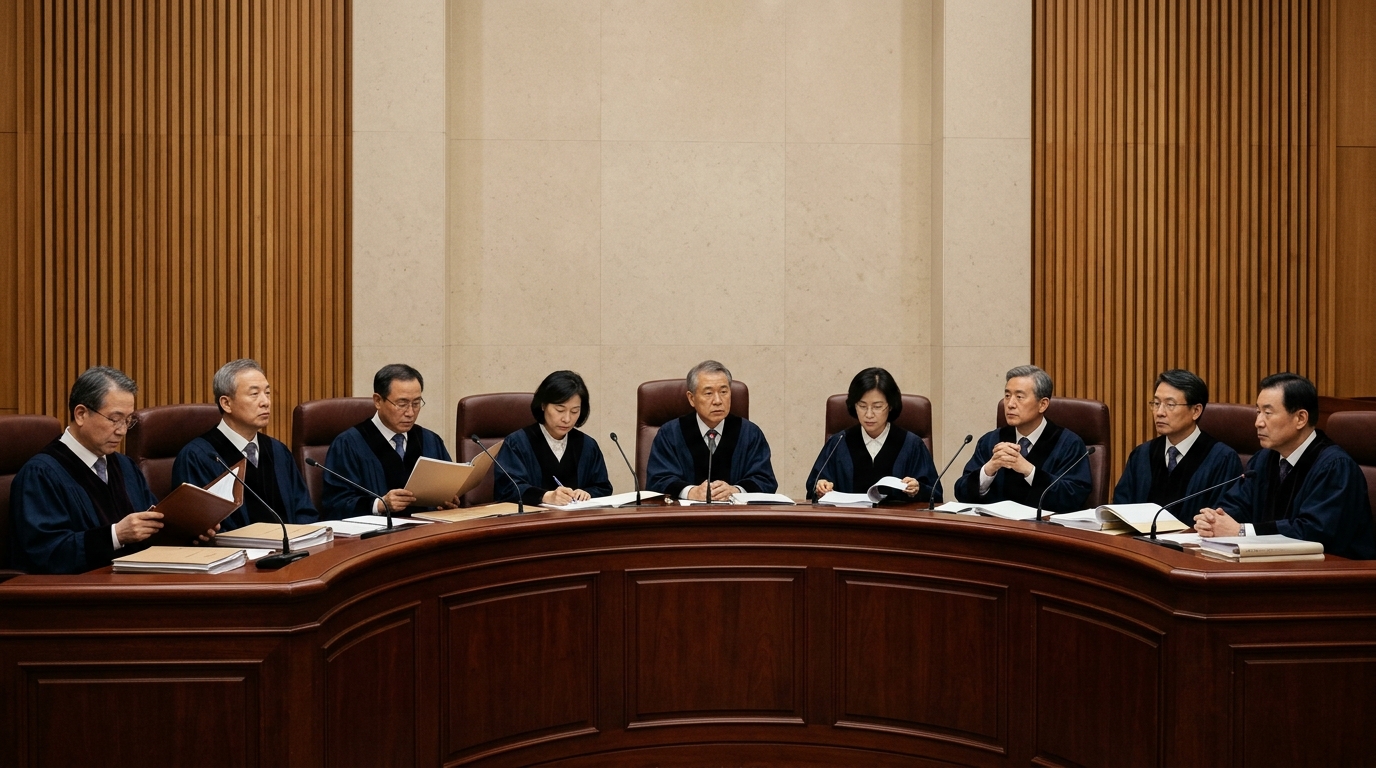
▲ 헌법재판소 대심판정에서 재판관들이 법복을 착용하고 탄핵심판 청구 사건의 위헌성 및 법률 위반 여부를 심리하고 있다. / 현장취재사진
헌재의 이정섭 검사 9대 0 전원일치 기각… "의혹 수준의 특정성 결여" 철퇴
나아가 자녀 위장전입이나 코로나19 집합금지명령 위반 같은 사안은 공직자의 고유 직무와 완전히 무관한 개인적 비위에 불과해 탄핵 사유가 될 수 없다고 판단했습니다. 헌재가 유일하게 본안 판단을 내린 '증인 사전면담' 의혹 역시 당시 검찰사건사무규칙상 전면 금지 규정이 없었고 부당한 회유나 압박이 입증되지 않아 헌법과 법률을 위반하지 않았다고 결론 내렸습니다. 결국 기초적인 사실관계 조사조차 거치지 않은 채 정략적으로 발의된 탄핵소추의 허구성이 헌재의 만장일치 결정으로 낱낱이 드러난 셈입니다.
탄핵소추를 전후해 국회 법제사법위원회가 추진한 이른바 '탄핵 청문회' 역시 심각한 위헌·위법 논란을 낳았습니다. 국회는 탄핵 대상 검사들을 국회로 불러내 증인선서를 강제하고 증언을 요구했습니다. 하지만 법률상 증인은 사건 당사자를 제외한 제3자를 의미합니다. 탄핵 절차에서 피소추인 신분인 검사를 증인으로 둔갑시켜 신문하는 것은 제도의 본질을 거스르는 일입니다. 만약 선서를 강제하고 위증죄나 불출석에 대해 처벌하겠다고 압박하는 것은 '형사상 자기에게 불리한 진술을 강요당하지 아니한다'는 헌법 제12조 제2항의 진술거부권을 정면으로 침해하는 모순을 발생시킵니다.
국회 법사위 탄핵 청문회 논란… 증인 적격성과 진술거부권의 헌법적 충돌
아울러 국회 법사위가 불출석 증인에게 동행명령장을 발부하며 강제 구인하겠다고 압박한 대목도 헌법상 영장주의와 정면 충돌했습니다. 헌법 제12조 제3항에 따르면 체포나 구속 같은 강제처분은 오직 독립된 법관이 발부한 영장에 의해서만 가능합니다. 입법부인 국회가 자체 권한으로 국민의 신체적 자유를 구속해 끌고 올 수 있는 법적 권한은 존재하지 않습니다. 증인이 출석을 거부할 경우 고발 조치를 취할 수 있을 뿐, 물리력을 동원해 강제 연행하는 것은 헌법을 초월한 입법권 남용이라는 비판이 제기되었습니다.
이처럼 탄핵이 남발되고 사법 체계가 흔들리게 된 가장 근본적인 제도적 원인으로는 헌법 제65조 제3항의 '자동 권한행사 정지' 조항이 지목됩니다. 탄핵소추의결서가 피소추자에게 송달되는 순간 헌재의 판결이 나오기도 전에 모든 직무 권한이 정지되는 제도입니다. 역대 통계를 보면 제헌 국회부터 2004년 노무현 전 대통령 전까지 56년 동안 발의된 탄핵안은 단 8건에 불과했고 가결된 사례는 0건이었습니다. 그러나 최근 약 3년 동안 무려 31건의 탄핵안이 발의되고 13건이 본회의를 통과했습니다. 이 가운데 헌재가 선고를 마친 12건 중 파면이 인용된 것은 단 1건에 불과했고, 나머지 11건(92%)은 전원 기각되었습니다.
국가 및 헌법 체계
심판 및 의결 주체
소추 시 직무정지 여부
탄핵 사유 및 남용 방지 장치
미국 연방헌법
의회 정치형 (하원 소추, 상원 2/3 유죄 심판)
직무정지 없음 (유죄 확정 전까지 정상 수행)
상원 2/3 가중다수결 요건으로 당파적 남용 억제
영국 의회제도
의회 정치형 (하원 기소, 상원 재판)
직무정지 규정 없음
내각책임제 불신임 결의 발전으로 탄핵 제도 사실상 사문화
대한민국 제헌헌법 (1948)
탄핵재판소 (대법관 5인 + 국회의원 5인)
자동 직무정지 없음 (재판소 재량 정지)
법관과 의원 동수 구성으로 정치적 편향 심사 방지
대한민국 현행헌법 (1987)
사법형 (국회 소추의결, 헌법재판소 전속)
소추의결서 송달 즉시 자동 권한정지 (제65조 제3항)
소추 즉시 임시 직무배제 무기화… 중간판결·개헌 논의 대두
1960년 산물 '자동 직무정지'의 그늘… 기각률 92%와 중간판결 등 제도 개선안
이러한 압도적인 기각률은 국회 다수당이 최종 파면보다는 탄핵 의결 즉시 발생하는 수개월간의 직무배제를 노리고 탄핵을 무기화했음을 여실히 보여줍니다. 실제로 이정섭 검사는 헌재의 기각 판결을 받기까지 9개월 동안 손발이 묶여 수사를 전혀 진행하지 못했습니다. 흥미로운 사실은 미국이나 영국 같은 선진 민주주의 국가에는 탄핵소추만으로 공직자의 직무를 정지시키는 조항이 전혀 없다는 점입니다. 미국 연방헌법은 하원이 탄핵을 의결하더라도 상원의 최종 유죄 판결이 내려질 때까지 정상적으로 직무를 수행하도록 보장하여 의회의 당파적 남용을 차단하고 있습니다.
대한민국 제헌헌법 역시 자동 직무정지 규정을 두지 않았습니다. 현재의 조항은 1960년 4·19 혁명 직후 3·15 부정선거에 가담한 공직자들을 신속히 배제하기 위해 도입된 특수한 과도기적 산물이었는데, 이것이 1987년 현행 헌법까지 무비판적으로 계승되면서 정쟁의 흉기로 변질된 것입니다. 전문가들은 탄핵 제도의 무기화를 막기 위해 헌법 제65조 제3항의 자동 정지 대상을 대통령 등 최고위직으로 한정하고, 실무 공직자는 헌재의 가처분 결정으로 정지 여부를 판단하도록 개헌해야 한다고 제언합니다. 아울러 헌재가 요건을 갖추지 못한 부적법한 탄핵안을 조기에 각하해 직무를 즉시 복귀시키는 '중간판결' 제도를 적극 도입해야 한다는 목소리가 커지고 있습니다.
[In-Depth Analysis] South Korea's Impeachment Paradox: Constitutional Safeguard or Political Weapon Amid Automatic Suspensions
▲ Lawmakers inside the National Assembly Legislation and Judiciary Committee chamber engage in intense deliberation over public official impeachment motions. / Official Press Photo
In South Korea's modern constitutional history, the institution of 'Impeachment' has operated as the ultimate legal breakwater defending the democratic order against egregious abuses of power by high-ranking state officials. However, amid intense legislative gridlock marked by the impeachment of the sitting president and an unprecedented wave of motions targeting active public prosecutors, the immediate and automatic 'Suspension' of official duties triggered upon the formal delivery of an impeachment resolution has drawn severe criticism for paralyzing state institutions. Originally introduced as a transitional mechanism following the 1960 revolution, this rigid constitutional clause routinely immobilizes government and investigative authorities for months before the Constitutional Court can render a final judgment, igniting urgent calls for structural legislative and constitutional reforms.
The Third Presidential Impeachment: The 180-Day Roadmap and April Judicial Vacancies
The impeachment resolution against President Yoon Suk-yeol passed the National Assembly plenary session with 204 affirmative votes against 85 nays, 3 abstentions, and 8 invalid ballots, surpassing the statutory two-thirds threshold of 200 votes by just four ballots. Assuming that all opposition and independent lawmakers voted in favor, at least 12 ruling party legislators broke ranks to support the motion. This marked only the third presidential impeachment in the republic's history—following President Roh Moo-hyun in 2004 and President Park Geun-hye in 2016—plunging the executive branch into immediate suspension and placing the nation's governance before the Constitutional Court.
Although Article 38 of the Constitutional Court Act establishes a 180-day guideline for delivering final judgments, the bench has historically accelerated proceedings to minimize executive power vacuums. Former President Roh's adjudication concluded in 64 days, while President Park's trial required 92 days. Legal analysts anticipate the current proceedings will conclude within 90 to 120 days following preparatory hearings and intensive evidence examinations. Crucially, because Justices Moon Hyung-bae and Lee Mi-son will conclude their terms on April 18, 2025, the court is expected to deliver its final ruling before early April to avert judicial vacancies and maintain institutional legitimacy.
Unprecedented Motions Against Public Prosecutors: Conflicts of Interest and Systemic Friction
Parallel to presidential proceedings, a contentious political battle erupted over sweeping impeachment motions against frontline prosecutors. The main opposition Democratic Party introduced successive impeachment resolutions against prosecutors Park Sang-yong, Eom Hee-jun, Kang Baek-shin, and Kim Young-chul, alleging abuse of investigative authority and unlawful public disclosure of suspect charges. However, because these prosecutors were actively directing major corruption investigations into top opposition leadership, the legal community vehemently condemned the maneuver. The motions created an extraordinary conflict of interest, with politicians under direct criminal indictment utilizing legislative power to remove their own investigators.
Prosecutor General Lee Won-seok publicly denounced the maneuvers, describing the scenario as one where criminal defendants seize the judicial bench while their defense attorneys and legislative majority usurp court authority to hold private trials. Under South Korea's Criminal Procedure Code, suspects possess comprehensive legal remedies against prosecutorial misconduct, including quasi-appeals, formal judicial reviews, and motions regarding abuse of public indictment powers. Constitutional scholars emphasized that deploying impeachment—the state's measure of last resort—to sideline prosecutors bypasses established judicial safeguards and fundamentally infringes upon the constitutional separation of powers.
Impeachment Subject & Case
Resolution & Ruling Dates
Trial Duration & Hearings
Court Outcome & Political Aftermath
President Roh Moo-hyun (2004)
Passed Mar 12, 2004 / Ruled May 14
64 days total (7 public hearings)
Dismissed (Immediate reinstatement, ruling party landslide)
President Park Geun-hye (2016)
Passed Dec 09, 2016 / Ruled Mar 10
92 days total (3 preparatory, 17 formal)
Upheld (Removal from office, snap presidential election)
President Yoon Suk-yeol (2024)
Passed Dec 14, 2024 / Under Review
Estimated 90 to 120 days
Ruling expected before April judicial term expirations
Prosecutor Lee Jeong-seop (2023)
Passed Dec 01, 2023 / Ruled Aug 29
272 days total (9 months duty suspension)
Dismissed 9-0 unanimously (Lack of factual specificity)
The legislative offensive against prosecutors suffered a decisive constitutional blow on August 29, 2024, when the Constitutional Court unanimously dismissed the impeachment case against prosecutor Lee Jeong-seop. In a sweeping 9-to-0 decision, the full bench held that impeachment specifications must articulate clear factual predicates—specifying time, place, and concrete methodologies—sufficient to define the scope of adjudication. The court dismissed allegations regarding unauthorized criminal registry lookups, resort booking requests, golf course perks, and drug investigation interventions, ruling that vague media citations and unverified suspicions failed to establish legitimate grounds for trial.
▲ Constitutional Court Justices in solemn judicial robes deliberate during a formal trial session inside the Grand Courtroom. / On-Site Documentation Photo
Unanimous 9-to-0 Rejection in Lee Jeong-seop Case: The Mandate for Evidentiary Specificity
Furthermore, the justices ruled that personal indiscretions such as quarantine violations or address misregistrations pertained strictly to private conduct rather than the execution of statutory duties. In evaluating the sole allegation subjected to substantive review—pre-trial interviews with key witnesses in an appellate bribery prosecution—the bench found no evidence of unlawful coercion or procedural violations warranting removal. The unanimous dismissal demonstrated that parliamentary impeachment powers had been deployed as punitive political weapons without elementary factual verification or procedural justification.
Procedural controversies intensified when the National Assembly Legislation and Judiciary Committee convened public hearings and summoned target prosecutors as witnesses. In formal jurisprudence, a witness is strictly defined as a third party detached from the litigation. Forcing public officials facing disciplinary removal into the status of third-party witnesses distorts basic procedural law. Demanding sworn testimony under threat of criminal perjury penalties directly violates Article 12, Paragraph 2 of the Constitution, which guarantees that no citizen shall be compelled to testify against themselves in matters involving potential criminal or disciplinary liability.
Legislative Committee Hearing Clashes: Witness Eligibility and Privilege Against Self-Incrimination
Efforts by parliamentary committee leaders to issue companion orders for the physical detention of non-attending witnesses triggered equally severe constitutional friction. Under Article 12, Paragraph 3 of the Constitution, coercive measures curtailing physical liberty are permissible exclusively through warrants issued by independent judges. The legislative branch possesses zero inherent constitutional authority to dispatch marshals to physically apprehend citizens. When witnesses decline appearances, committees may initiate formal criminal contempt referrals, but attempting physical coercion exceeds legislative boundaries and violates fundamental procedural due process.
At the heart of this systemic volatility lies Article 65, Paragraph 3 of the Constitution, which mandates the automatic and immediate suspension of official powers upon the delivery of an impeachment resolution. Historical records highlight the radical transformation of this mechanism. Over the 56-year span from the Constituent Assembly to 2004, only eight impeachment motions were introduced nationwide, none of which passed. In contrast, 31 motions were introduced over the past three years alone, with 13 passing the assembly floor. Among the 12 rulings issued by the Constitutional Court through August 2025, only a single presidential case was upheld, while the remaining 11 cases—representing a 92 percent dismissal rate—were entirely rejected.
Constitutional System
Adjudicating Authority
Duty Suspension Mechanism
Grounds & Anti-Abuse Checks
United States Constitution
Political (House impeaches, Senate convicts by 2/3)
No duty suspension (Remains in office until conviction)
Automatic suspension upon delivery (Article 65, Para 3)
Drives tactical duty suspensions; reforms for interim rulings proposed
The Legacy of 1960: A 92% Dismissal Rate and the Case for Interim Rulings
This staggering 92 percent dismissal rate indicates that parliamentary majorities frequently weaponized automatic duty suspensions rather than anticipating ultimate removal, paralyzing major investigative leadership for months. Prosecutor Lee Jeong-seop remained barred from conducting sensitive public corruption inquiries for nine months before being fully exonerated. Strikingly, mature democratic jurisdictions such as the United States and the United Kingdom maintain no provisions for automatic duty suspension upon legislative indictment. Under the United States Constitution, impeached officials continue executing statutory duties until the Senate convicts by a qualified two-thirds majority, successfully deterring partisan legislative paralysis.
South Korea's original 1948 Constituent Constitution likewise omitted automatic duty suspensions. The provision was hastily incorporated following the April 19 Revolution of 1960 to swiftly purge election fraudsters, and it was uncritically carried over into the 1987 Constitution where it now fosters chronic institutional gridlock. To restore institutional equilibrium, legal scholars urge amending Article 65, Paragraph 3 to limit automatic suspensions exclusively to supreme executives like the president, while subjecting civil servants to judicial injunctions. Additionally, introducing an interim dismissal procedure would empower the Constitutional Court to summarily throw out ungrounded impeachment petitions and restore vital public functions without delay.
PRO SOURCING ENGINE만인의 탑 빅데이터 솔루션
★ 가입 시 600 크레딧(120회) 전원 무료
내가 찾는 상품 키워드, 지금 얼마나 검색될까?
네이버 월간 검색량 + 구글 볼륨 + 아이템스카우트 실시간 상품수와 경쟁강도 배지를 0.5초 만에 무료로 확인하세요.
MANINTOP NEWSLETTER
📬 만인의 탑 뉴스레터 무료 구독
오늘 보신 정책·시사 뉴스가 유익하셨나요? 매일 엄선되는 알짜 복지 혜택과 국회 실시간 속보를 이메일로 가장 먼저 받아보세요. (평생 무료)
1월이 시작되면 감기는 이미 우리 곁에 와 있습니다. 2월, 3월, 4월까지 이어지는 추위와 건조함은 코와 목을 가장 먼저 공격합니다. 아침에 일어나자마자 막혀 있는 코. 계속 흐르는 콧물. 괜히 칼칼해지는 목. 이 증상은 “시작”일 뿐입니다. 한 번 무너지면 일주일, 길면 한 달까지 끌고 갑니다. 약을 먹으면 잠깐 괜찮아집니다. 하지만 며칠 뒤 또 반복됩니다. 왜일까요? 감기는 ‘치료’의 문제가 아니라 ‘관리’의 문제이기 때문입니다. 대부분은 감기가 오고 나서 약을 찾습니다. 하지만 진짜 중요한 건 감기가 오기 전에 코와 목을 지키는 것입니다. 건조한 실내 공기, 차가운 바깥 공기, 눈에 보이지 않는 세균. 코와 목은 매일 공격받고 있습니다. 지긋지긋하죠! 그런데도 우리는 아무 준비 없이 버티고 있습니다. 이번 겨울도 그렇게 보낼 건가요? 사실 방법은 어렵지 않습니다. 코를 깨끗하게 관리하고, 목을 따뜻하게 보호하고, 점막을 촉촉하게 유지하고, 기관지를 미리 관리하고, 외부 공기를 차단하는 것. 이 다섯 가지만 꾸준히 해도 감기약 없이 겨울을 보내는 것이 충분히 가능합니다. 🔥 이제부터 그 방법을 하나씩 살펴보겠습니다. 🔥 1. 코와 목을 먼저 관리해야 하는 과학적 이유 감기의 대부분은 코 점막에서 시작됩니다. 국제 학술지 Nature Reviews Microbiology 와 Journal of Allergy and Clinical Immunology 에 실린 호흡기 감염 관련 연구들에서는, 감기 바이러스가 비강 상피세포에 먼저 부착해 증식한다는 점을 설명하고 ...
리모델링사업이 진행 중인 아파트를 매매할 때 “계약금 10%를 언제까지 내야 하느냐”는 질문이 특히 많이 나옵니다. 이주공고(이주 안내)가 7~11월쯤이라고 들으면, 그 시점에 맞춰 계약금도 움직일 것 같아서 더 헷갈리기 쉽습니다. 하지만 실제 납부기한은 ‘이주공고가 언제냐’만으로 자동 결정되지 않는 경우가 많습니다. 1) 계약금 10% 납부기한: 결국 ‘문서에 적힌 일정’이 기준 계약금 10%를 언제까지 납부해야 하는지는, 내가 서명하는 매매계약서(특약 포함) 와 사업주체/조합이 제시한 공고·안내문 에 적힌 납부 일정이 기준이 됩니다. 실제 공고문에서는 분양대금 납부의 큰 틀(계약금→중도금→잔금)을 먼저 안내하고, 상세 일정은 별도 표나 유의사항으로 제시하는 방식이 흔합니다. 또, 계약서 문구에 따라 지급 시점이 조건부로 설정될 수도 있습니다. 예를 들어 한 사례 소개 자료에서는 용역계약서에 잔금(10%) 지급시기가 “사업승인 후”로 기재되어 있었다는 점이 언급됩니다. 이런 식으로 ‘사업 단계’와 지급을 연동하는 문구가 들어가면, 질문의 답은 계약서 문구를 확인해야만 확정됩니다. 관련 내용은 링크 에서 문구 사례를 확인할 수 있습니다. 2) 입주자모집공고에서 확인되는 ‘납부 순서’와 잔금 마감 시점 공고문에 적힌 문구를 보면, 납부 순서와 잔금 마감에 대한 기준이 비교적 명확하게 제시되는 경우가 있습니다. 예를 들어 한 입주자모집공고에는 “분양금액(주택가격)은 계약금, 중도금, 잔금의 순서로 납부”하며 “잔금은 입주(열쇠 수령일) 전에 완납”해야 한다고 안내되어 있습니다. (문구 확인: 링크 ) 이 문구가 의미하는 바는 최소 2가지입니다. 분양/공급 형태의 문서에서는 ‘계약금→중도금→잔금’ 흐름이 공식적으로 안내될 수 있습니다. 잔금은 “입주(열쇠 수령)” 이전에 완납해야 한다는 마감 기준이 문서에 적혀 있을 수 있습니다. 다만, 위 공고문 문구는 잔금 마감에 대한 기준을 보여주지만, 계약금 10%의...
윤석열 전 대통령 탄핵 인용 소식을 접하면, 가장 궁금한 지점은 ‘헌재가 정확히 무엇을 위헌·위법으로 봤는가’입니다. 또한 탄핵과 별개로 진행되는 형사재판(내란 우두머리 혐의 등)이 어디까지 왔는지도 함께 정리할 필요가 있습니다. 아래 내용은 제공된 기사/게시물 스니펫과 링크에서 확인되는 범위만 모아, 일반인이 흐름을 이해하기 쉽게 정리한 것입니다. 1) 탄핵 인용 관련: 스니펫에서 확인되는 ‘판단의 골격’ 제공된 근거 중 조국혁신당 사이트에는 헌법재판소가 윤석열 탄핵 심판에서 “피청구인의 위헌·위법행위는 국민 신임 …”이라는 취지로 판단했다는 문장이 인용돼 있습니다( 링크 ). 이 인용문만 놓고 보면, ‘위헌·위법행위’가 있었는지와 그로 인해 ‘국민의 신임’이 어떻게 평가됐는지가 핵심 축으로 소개됩니다. 다만 질문에서 요청하신 세부 항목, 즉 비상계엄 선포 자체를 문제 삼은 구체적 이유, 계엄 이후 조치(포고령, 국회 통제 등)의 어떤 지점이 헌법 위반인지, 국회의 권한행사 방해 및 정치활동 제약을 어떤 논리로 판단했는지 등은, 이번에 제공된 근거의 제목/스니펫만으로는 조항·사실관계·판단 구조가 그대로 제시돼 있지 않습니다. 따라서 이 글에서는 ‘헌재가 무엇을 문제 삼았다’는 세부 리스트를 단정적으로 재구성하기보다, 현재 확인 가능한 문구 수준의 요약(위헌·위법행위 → 국민 신임의 문제로 평가)까지만 적습니다. 만약 헌재 결정문 전문(주문 및 이유)이 추가로 확인되면, 그때는 문장 단위로 ‘어떤 행위’와 ‘어떤 헌법 원리/조항’이 연결되는지(예: 권력분립, 국회의 권한, 정치적 기본권 등) 구조화해 정리하는 것이 가장 정확합니다. 2) 형사 절차(내란 혐의) 관련: 체포영장과 1심 선고 언급 탄핵 심판과 별도로, 12·3 비상계엄 사태로 내란 혐의를 받는 윤석열 대통령에 대해 2024년 12월 31일 체포 영장이 발부됐다는 BBC 보도가 있습니다( 링크 ). 해당 보도는 ‘현직 대통령’에 대한 체포영장 발부라는 점을 함께 언급합니다. 또...