▲ “100% 완충하면 수명 반토막”… 스마트폰 배터리 3배 늘리는 80% 충전 제한과 겨울철 방전 대책 (공식 보도 자료)
📌 핵심 브리핑 · 주요 쟁점 및 핵심 요약
100% 완충하면 수명 반토막 이 난다는 화학 공학적 연구 결과가 확인되면서, 스마트폰 배터리 수명을 3배 연장하는 80% 충전 제한 설정과 겨울철 기습 방전 예방법이 스마트폰 사용자들의 필수 지침으로 떠올랐습니다. 최근 출시되는 프리미엄 스마트폰의 배터리 유상 교체 비용이 10만 원에서 16만 원까지 치솟은 가운데, 대다수 이용자가 고수하는 '밤새 100% 완충' 습관은 배터리 셀에 4.35V 이상의 최고 전압 스트레스를 지속적으로 가해 500 사이클 만에 성능 저하를 초래하는 주범으로 지적됩니다. 반면 잔량 20%에서 충전을 시작해 80%에서 전력을 차단하는 '20-80 황금 법칙'을 적용할 경우 충·방전 수명이 1,500 사이클 이상으로 3배 급증하여, 추가 비용 없이 기기 교체 주기(3~4년) 동안 배터리 성능을 80% 이상 안정적으로 유지할 수 있습니다. 본 심층 가이드에서는 리튬이온 배터리 셀을 파괴하는 3대 화학적 요인, 삼성 One UI 7 및 애플 iOS 18의 80% 하드웨어 충전 제한 세부 설정 경로, 영하권 기온 급락 시 BMS 전압 강하로 인한 전원 꺼짐 4단계 응급 복구 수칙, 그리고 대기 전력 누수를 25% 이상 막아주는 백그라운드 최적화 설정을 총정리합니다.
SPONSORED · ADVERTISEMENT
1. 리튬이온 배터리 수명의 과학: 100% 완충이 수명을 갉아먹는 이유
스마트폰의 배터리 교체 비용이 기종에 따라 10만 원에서 16만 원을 육박하면서, 배터리를 오래 쓰는 충전 관리법에 대한 대중적 관심이 매우 높습니다. 대다수 스마트폰 사용자는 배터리를 100% 가득 채워두는 것이 가장 유리하다고 믿지만, 배터리 화학 공학적으로는 충전율 80%를 초과하는 순간부터 배터리 셀 내부의 물리적·화학적 노화가 폭발적으로 가속화됩니다.
스마트폰에 탑재되는 리튬이온(Lithium-ion) 배터리는 잔량이 80%를 넘어서면 셀(Cell) 당 전압이 4.2V에서 최대 4.35V 이상으로 급상승합니다. 이 고전압 상태가 지속되면 양극재의 결정 격자 구조가 영구적으로 뒤틀리고 액체 전해질의 분해 반응이 활발해져 내부 저항이 급증합니다. 그 결과 배터리가 저장할 수 있는 활성 리튬 이온의 물리적 양이 줄어들며 영구적인 용량 감퇴가 발생합니다.
글로벌 배터리 연구진과 스마트폰 제조사가 공통으로 제시하는 수명 관리의 핵심 원칙은 잔량 20%에서 충전을 시작하여 80%에 도달하면 전류를 차단하는 '20-80 황금 법칙'입니다. 매일 100%까지 완충하는 스마트폰은 약 500회의 충방전 사이클(실사용 1.5년~2년) 만에 성능이 80% 밑으로 곤두박질치지만, 80% 충전 제한을 걸어두면 4.05V 이하의 안전 전압이 유지되어 사이클 수명이 1,500회(실사용 3.5년~4년 이상)로 3배 이상 폭증합니다. 기기 교체 주기 내내 배터리 교체 비용 없이 최적의 성능을 유지할 수 있는 셈입니다.
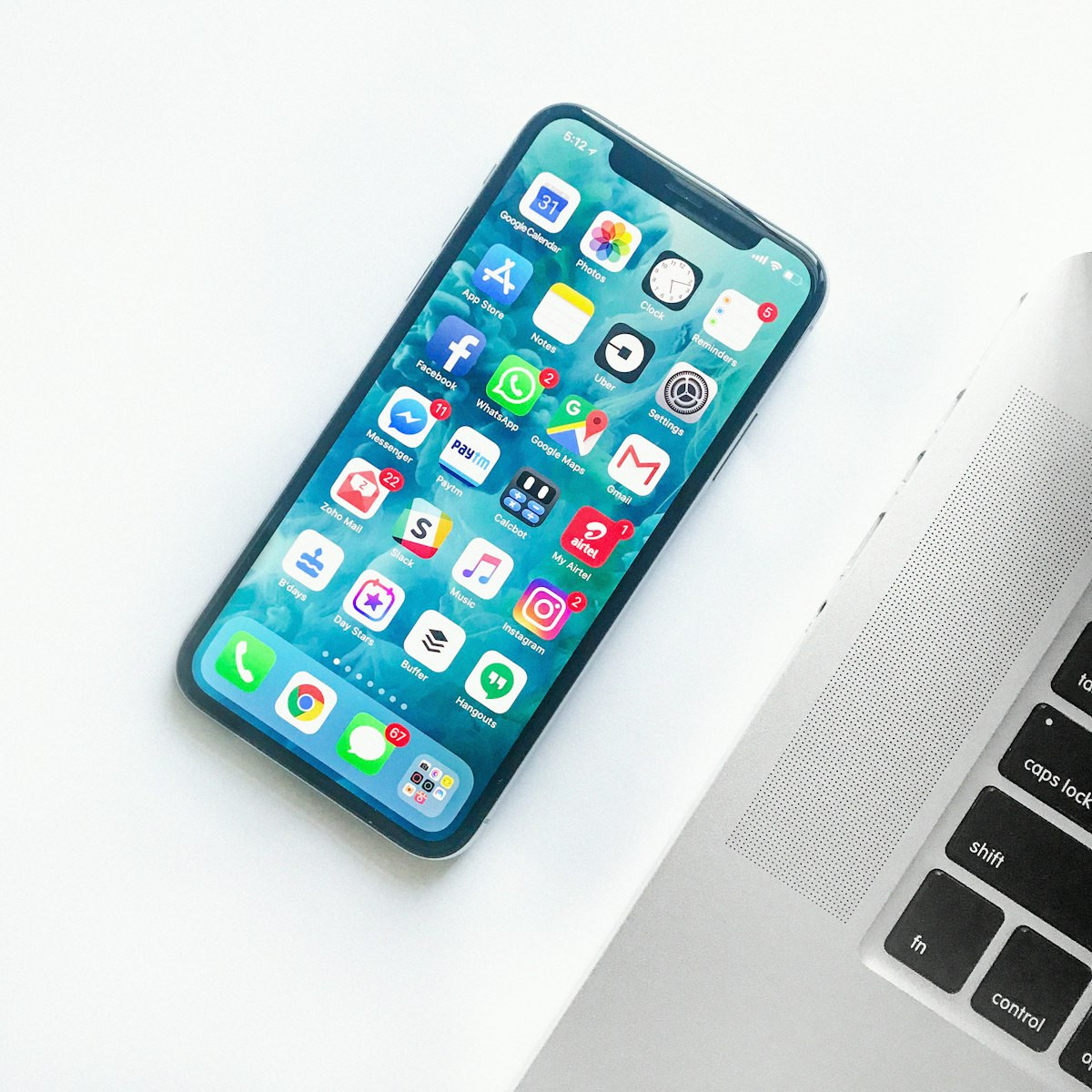
▲ 스마트폰 이용자가 기기 설정 메뉴에서 배터리 보호 옵션과 80% 충전 상한 제한 기능을 설정하는 모습 (보도 자료)
2. 배터리 셀을 파괴하는 3대 가혹 조건: 고전압·완전방전·고온
스마트폰 배터리는 화학 반응에 기반한 정밀 부품이므로 세 가지 가혹 조건에 노출될 때 치명적인 손상을 입습니다. 첫째, '고전압 화학 스트레스'입니다. 밤새 충전 케이블을 꽂아둔 채 잠드는 습관은 배터리가 100% 만충된 고전압(4.35V) 상태를 수 시간 동안 유지하게 만듭니다. 이는 양극 전극의 열화를 가속화하고 내부 가스를 발생시켜 배터리를 조기 퇴화시키는 가장 큰 원인입니다.
둘째, '0% 완전 방전으로 인한 전극 파괴'입니다. 배터리 잔량이 0%가 되어 스마트폰 전원이 저절로 꺼진 채 방치되면, 음극을 구성하는 구리 집전체(Copper Foil)가 화학적으로 부식되기 시작합니다. 단 1~2회의 완전 방전만으로도 전극 구조가 붕괴되어 배터리 셀의 특정 영역이 영구 불능 상태에 빠지므로, 잔량이 20~30% 남았을 때 수시로 충전하는 습관이 필수적입니다.
셋째, '40℃ 이상의 고온 노출'입니다. 두꺼운 케이스를 씌운 채 초고속 충전을 진행하거나, 충전 중에 고사양 3D 게임이나 내비게이션을 구동하면 배터리 온도가 45℃를 손쉽게 넘어섭니다. 고온 환경은 전해질 분해를 수십 배 가속화하여 배터리가 빵빵하게 부풀어 오르는 '스웰링(Swelling)' 현상을 일으키고 심한 경우 액정이나 메인보드를 밀어 올려 파손을 유발합니다.
구분 유형
지원 및 적용 대상
환급 및 해결 기준
신청 및 조치 방법
일반 100% 완충 방식
4.35V 최고 전압 노출
약 500 사이클 (1.5~2년)
2년마다 유상 배터리 교체 필요 (10만~16만 원)
80% 충전 제한 루틴
4.05V 이하 저전압 유지
약 1,500 사이클 (3.5~4년)
기기 교체 주기까지 수명 3배 연장, 교체비 제로
삼성 One UI 7 배터리 보호
80%·85%·90%·95% 다단계 선택
80% 설정 시 8시간 연속 사용
설정 → 배터리 → 배터리 보호에서 1분 설정
애플 iOS 18 충전 최적화
80% 도달 시 전류 완전 차단
야간 과충전 고전압 차단
설정 → 배터리 → 충전 최적화 → 80% 한도
겨울철 영하 야외 방전 대책
저온 전압 강하로 BMS 강제 차단
보조배터리 즉시 연결 금지
외투 안쪽 보온 후 실내 15분 결로 대기 후 충전
SPONSORED · ADVERTISEMENT
3. 제조사별 OS 충전 제한 기능 및 실전 설정 가이드
최신 스마트폰 운영체제는 하드웨어 수준에서 고전압 스트레스를 원천 차단하는 충전 제어 기능을 기본 탑재하고 있습니다. 애플 아이폰(iOS 17·18·19) 이용자는 `[설정] → [배터리] → [배터리 성능 상태 및 충전] → [충전 최적화]` 메뉴로 이동한 뒤 `[80% 한도]`를 선택하면 됩니다. 80%에 도달하는 순간 시스템이 물리적으로 전류 공급을 완전 차단합니다. 80% 한도 기능이 없는 구형 기종(아이폰 14 이하)의 경우 `[단축어]` 앱에서 '배터리 잔량 80% 도달 시 알림음 출력' 자동화 루틴을 구성하여 충전기를 분리할 수 있습니다.
삼성 갤럭시(One UI 6.1 및 One UI 7.0 이상) 이용자는 `[설정] → [배터리] → [배터리 보호]` 메뉴에서 설정을 활성화할 수 있습니다. 특히 최신 One UI 7.0에서는 사용자의 활동량에 따라 충전 상한선을 80%, 85%, 90%, 95% 중 자유롭게 선택할 수 있는 다단계 옵션을 제공합니다.
하루 10시간 연속 사용 가능한 단말기를 기준으로 80% 충전 제한을 걸더라도 약 8시간 동안 연속 사용이 가능하므로, 최신 저전력 AP 칩셋 환경에서는 일상적인 하루 일과를 소화하는 데 아무런 지장이 없습니다.
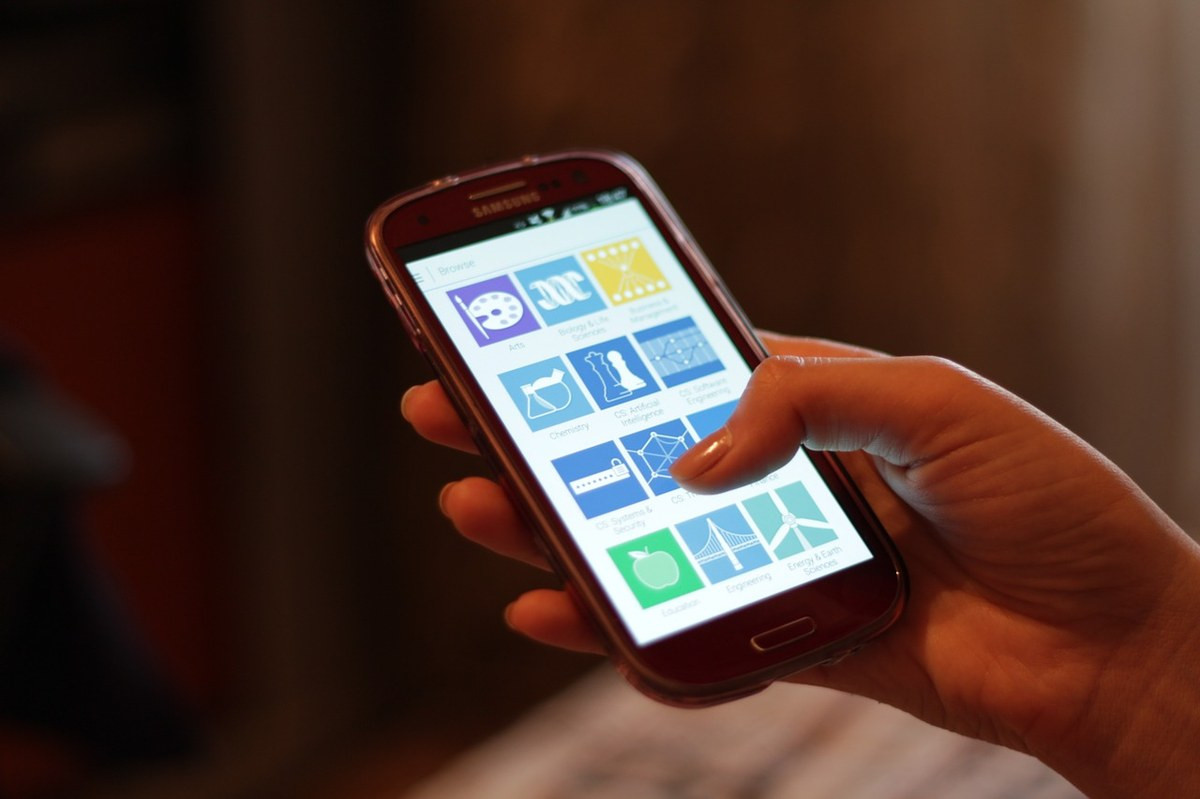
▲ 겨울철 저온 환경에서 스마트폰 기습 방전과 전압 강하를 방지하기 위해 실내 보온 및 전력 최적화 루틴을 점검하는 모습 (보도 자료)
4. 겨울철 배터리 급방전·꺼짐 원인과 4단계 응급 복구 수칙
초겨울 영하의 날씨에 야외로 나가면 배터리가 40% 이상 남아있는데도 스마트폰 전원이 갑자기 꺼지는 현상이 자주 발생합니다. 이는 배터리 용량이 실제로 소진된 것이 아니라, 액체 상태인 전해액의 점도가 저온에서 급격히 높아져 리튬 이온의 이동 속도가 둔화되고 내부 저항이 2배 이상 치솟기 때문입니다. 전압이 3.2V 이하로 순간 강하하면서 기기 부품을 보호하기 위해 배터리 관리 시스템(BMS)이 전원을 강제로 차단하는 것입니다.
추운 야외에서 전원이 꺼졌을 때 보조배터리를 즉시 연결하는 행위는 절대 금물입니다. 차가운 전극에 강한 전류를 강제로 밀어 넣으면 음극 표면에 리튬 금속이 바늘 모양으로 결정화되는 '리튬 덴드라이트(Plating)'가 발생하여 분리막을 찢고 배터리를 영구 손상시킵니다.
올바른 응급 복구 4단계는 다음과 같습니다. 1단계로 꺼진 기기를 외투 안쪽 주머니에 넣어 체온으로 서서히 데웁니다. 2단계로 따뜻한 실내로 이동하여 기기 온도가 10℃ 이상으로 자연 회복될 때까지 기다립니다. 3단계로 급격한 온도 변화로 인한 기기 내부의 결로(이슬 맺힘)를 방지하기 위해 실온에서 약 15분간 방치한 후 충전기를 연결합니다. 4단계로 헤어드라이어나 핫팩을 기기에 직접 맞대면 급격한 열팽창으로 방수 실링과 액정이 손상되므로 직접 가열을 엄격히 피해야 합니다. 아울러 백그라운드 앱 새로고침 비활성화, GPS 위치 권한을 '앱 사용 중에만'으로 제한, OLED 다크모드를 적용하면 대기 전력 소모를 25% 이상 줄일 수 있습니다.
“Charging to 100 Percent Halves Lifespan”: Extending Smartphone Battery Life Threefold via 80 Percent Charge Limits and Winter Freeze Defense
Charging to 100 percent halves lifespan according to chemical engineering disclosures, making the 80 percent hardware charge limit protocol and winter sub-zero shutdown countermeasures essential knowledge for mobile device longevity. With manufacturer battery replacement fees escalating between 100,000 and 160,000 won across modern flagship smartphones, the common consumer habit of maintaining overnight 100 percent saturation subjects lithium-ion cells to persistent high-voltage chemical stress exceeding 4.35 volts, severely degrading capacity after merely 500 charge cycles. Conversely, deploying the 20-to-80 golden rule—commencing replenishment at 20 percent and terminating input at 80 percent—expands operational cycle endurance threefold to over 1,500 cycles, preserving baseline health above 80 percent throughout a 3- to 4-year upgrade cycle without incurring paid repair overhead. This comprehensive technical analysis audits the three primary chemical degradation vectors, details exact operating system configuration hierarchies across Samsung One UI 7 and Apple iOS 18, outlines a 4-step emergency thermal recovery protocol for sub-zero voltage drops, and delivers core background throttling configurations to curb idle standby drain by over 25 percent.
📌 Key Takeaways
20-to-80 Rule Tripling Cycle Lifespan: Restricting charge ceilings to 80 percent mitigates 4.35V high-voltage chemical stress, scaling endurance from 500 to over 1,500 cycles.
Hardware OS Throttling Protocols: Deploy Samsung One UI Battery Protection (80-95% tiers) and Apple iOS Charging Optimization (80% Hard Limit) for automated power isolation.
Sub-Zero Thermal Shutdown Recovery: Warm frozen chassis inside inner coats, observe a 15-minute room condensation pause prior to charging, and prohibit direct heating pad contact.
1. Electrochemistry of Lifespan: Why 100% Saturation Accelerates Degradation
With replacement outlays for flagship smartphone batteries climbing between 100,000 and 160,000 won across modern service networks, consumer demand for evidence-based battery preservation has reached unprecedented heights. While conventional intuition suggests that keeping batteries saturated at 100% delivers maximum utility, chemical engineering data reveals that exceeding an 80% state-of-charge triggers aggressive mechanical and electrochemical degradation within lithium-ion cells.
Lithium-ion cells operating above 80% experience internal voltages surging from 4.2V past 4.35V per cell. Prolonged exposure to elevated potential disrupts the cathode crystalline lattice, accelerates electrolyte oxidation, and elevates internal impedance. Consequently, the inventory of active cyclable lithium ions permanently contracts, eroding gross capacity.
Global battery researchers and device manufacturers advocate the 20-to-80 golden rule: initiating replenishment when reserves hit 20% and isolating input at 80%. Smartphones cycled to 100% daily degrade beneath 80% health after roughly 500 cycles (1.5 to 2 years of active service). Restricting saturation to 80% maintains operating potentials beneath 4.05V, tripling operational longevity beyond 1,500 cycles (3.5 to 4 years) and preserving peak performance without repair overhead.
▲ Official Press Archive & Contextual Documentation
2. Three Fatal Degradation Vectors: High Voltage, Deep Discharge, and Heat
Because lithium-ion batteries rely on precision chemical reversibility, subjecting cells to harsh operational extremes induces irreversible structural damage.
First, high-voltage chemical stress occurs when devices remain tethered to chargers overnight, sustaining 4.35V potentials for hours. This accelerates cathode particle cracking and off-gassing, shortening cell lifespan.
Second, complete zero-percent discharge induces severe electrode collapse. Allowing devices to power off completely causes the copper current collector on the negative electrode to oxidize and corrode. A single deep discharge event permanently deactivates active material zones, necessitating frequent top-ups when levels reach 20% to 30%.
Third, thermal exposure exceeding 40°C compounds degradation. Rapid charging inside thick protective cases or running high-demand mobile games while charging easily pushes internal temperatures past 45°C. Excessive heat multiplies parasitic electrolyte side reactions, precipitating catastrophic pouch swelling and mechanical chassis warping.
Category
Target Scope
Standard / Benefit
Procedure / Action
Standard 100% Full Charge Method
Maximum Voltage Exposure of 4.35V
Approximately 500 cycles (1.5 to 2 years)
Paid battery replacement required every 2 years (costing between 100,000 to 160,000 KRW)
80% Charge Limitation Routine
Maintain low voltage below 4.05V
Approximately 1,500 cycles (3.5 to 4 years)
Tripling lifespan until device replacement cycle, zero replacement cost
Samsung One UI 7 Battery Protection
Multi-stage selection for 80%, 85%, 90%, and 95%
8 hours of continuous use when set to 80%
Settings → Battery → Battery Protection for 1-minute configuration
Forced cutoff by BMS due to low temperature voltage drop
Immediate connection of external batteries prohibited
Warm inside coat, wait for 15 minutes indoors to avoid condensation before charging
3. Operating System Charge Limits: Samsung One UI and Apple iOS Setup
Modern mobile operating systems integrate hardware-level charge throttling mechanisms designed to shield battery chemistry from high-voltage stress.
Apple iPhone users operating iOS 17, 18, or 19 can navigate to Settings > Battery > Battery Health & Charging > Charging Optimization and designate the 80% Limit. Power management integrated circuits completely isolate charging currents upon hitting 80%. For legacy devices lacking native toggles, users can configure automated Siri Shortcuts to emit audible disconnection prompts when reaching 80%.
Samsung Galaxy devices running One UI 6.1 or One UI 7.0 provide configurable safeguards under Settings > Battery > Battery Protection. Under One UI 7.0, users can select precise ceilings across 80%, 85%, 90%, or 95% thresholds.
On devices delivering 10 hours of active screen runtime on a full charge, an 80% ceiling still provides roughly 8 hours of continuous operation, effortlessly powering routine daily productivity without range anxiety.
▲ Institutional Field Data & Media Archive
4. Winter Sub-Zero Thermal Sag and 4-Step Emergency Recovery
Exposing smartphones to sub-zero winter environments frequently prompts sudden shutdowns despite battery gauges displaying 40% reserves. This stems not from actual depletion, but from increased liquid electrolyte viscosity slowing lithium-ion mobility and doubling internal resistance. Sudden voltage drops below 3.2V trigger battery management systems (BMS) to execute emergency shutdowns to prevent cell damage.
Attempting to connect external power banks to frozen devices in freezing ambient air is hazardous. Forcing current into chilled electrodes causes lithium plating on anode surfaces, forming dendritic metallic spikes that puncture separators and induce internal short circuits.
The optimal 4-step emergency recovery protocol is: First, place the chilled device inside an interior coat pocket to absorb gentle body heat. Second, relocate indoors until internal temperatures normalize above 10°C. Third, wait 15 minutes at room temperature to allow internal condensation to evaporate prior to connecting charging cables. Fourth, never apply hair dryers or direct heating pads, as rapid thermal expansion damages water-resistant seals and display panels. Throttling background app refresh, restricting GPS to while-using permissions, and adopting OLED dark modes cuts idle drain by over 25%.
Recommended Deep-Dive Investigations TOP 3
GLOBAL REPORT
1월이 시작되면 감기는 이미 우리 곁에 와 있습니다. 2월, 3월, 4월까지 이어지는 추위와 건조함은 코와 목을 가장 먼저 공격합니다. 아침에 일어나자마자 막혀 있는 코. 계속 흐르는 콧물. 괜히 칼칼해지는 목. 이 증상은 “시작”일 뿐입니다. 한 번 무너지면 일주일, 길면 한 달까지 끌고 갑니다. 약을 먹으면 잠깐 괜찮아집니다. 하지만 며칠 뒤 또 반복됩니다. 왜일까요? 감기는 ‘치료’의 문제가 아니라 ‘관리’의 문제이기 때문입니다. 대부분은 감기가 오고 나서 약을 찾습니다. 하지만 진짜 중요한 건 감기가 오기 전에 코와 목을 지키는 것입니다. 건조한 실내 공기, 차가운 바깥 공기, 눈에 보이지 않는 세균. 코와 목은 매일 공격받고 있습니다. 지긋지긋하죠! 그런데도 우리는 아무 준비 없이 버티고 있습니다. 이번 겨울도 그렇게 보낼 건가요? 사실 방법은 어렵지 않습니다. 코를 깨끗하게 관리하고, 목을 따뜻하게 보호하고, 점막을 촉촉하게 유지하고, 기관지를 미리 관리하고, 외부 공기를 차단하는 것. 이 다섯 가지만 꾸준히 해도 감기약 없이 겨울을 보내는 것이 충분히 가능합니다. 🔥 이제부터 그 방법을 하나씩 살펴보겠습니다. 🔥 1. 코와 목을 먼저 관리해야 하는 과학적 이유 감기의 대부분은 코 점막에서 시작됩니다. 국제 학술지 Nature Reviews Microbiology 와 Journal of Allergy and Clinical Immunology 에 실린 호흡기 감염 관련 연구들에서는, 감기 바이러스가 비강 상피세포에 먼저 부착해 증식한다는 점을 설명하고 ...
리모델링사업이 진행 중인 아파트를 매매할 때 “계약금 10%를 언제까지 내야 하느냐”는 질문이 특히 많이 나옵니다. 이주공고(이주 안내)가 7~11월쯤이라고 들으면, 그 시점에 맞춰 계약금도 움직일 것 같아서 더 헷갈리기 쉽습니다. 하지만 실제 납부기한은 ‘이주공고가 언제냐’만으로 자동 결정되지 않는 경우가 많습니다. 1) 계약금 10% 납부기한: 결국 ‘문서에 적힌 일정’이 기준 계약금 10%를 언제까지 납부해야 하는지는, 내가 서명하는 매매계약서(특약 포함) 와 사업주체/조합이 제시한 공고·안내문 에 적힌 납부 일정이 기준이 됩니다. 실제 공고문에서는 분양대금 납부의 큰 틀(계약금→중도금→잔금)을 먼저 안내하고, 상세 일정은 별도 표나 유의사항으로 제시하는 방식이 흔합니다. 또, 계약서 문구에 따라 지급 시점이 조건부로 설정될 수도 있습니다. 예를 들어 한 사례 소개 자료에서는 용역계약서에 잔금(10%) 지급시기가 “사업승인 후”로 기재되어 있었다는 점이 언급됩니다. 이런 식으로 ‘사업 단계’와 지급을 연동하는 문구가 들어가면, 질문의 답은 계약서 문구를 확인해야만 확정됩니다. 관련 내용은 링크 에서 문구 사례를 확인할 수 있습니다. 2) 입주자모집공고에서 확인되는 ‘납부 순서’와 잔금 마감 시점 공고문에 적힌 문구를 보면, 납부 순서와 잔금 마감에 대한 기준이 비교적 명확하게 제시되는 경우가 있습니다. 예를 들어 한 입주자모집공고에는 “분양금액(주택가격)은 계약금, 중도금, 잔금의 순서로 납부”하며 “잔금은 입주(열쇠 수령일) 전에 완납”해야 한다고 안내되어 있습니다. (문구 확인: 링크 ) 이 문구가 의미하는 바는 최소 2가지입니다. 분양/공급 형태의 문서에서는 ‘계약금→중도금→잔금’ 흐름이 공식적으로 안내될 수 있습니다. 잔금은 “입주(열쇠 수령)” 이전에 완납해야 한다는 마감 기준이 문서에 적혀 있을 수 있습니다. 다만, 위 공고문 문구는 잔금 마감에 대한 기준을 보여주지만, 계약금 10%의...
윤석열 전 대통령 탄핵 인용 소식을 접하면, 가장 궁금한 지점은 ‘헌재가 정확히 무엇을 위헌·위법으로 봤는가’입니다. 또한 탄핵과 별개로 진행되는 형사재판(내란 우두머리 혐의 등)이 어디까지 왔는지도 함께 정리할 필요가 있습니다. 아래 내용은 제공된 기사/게시물 스니펫과 링크에서 확인되는 범위만 모아, 일반인이 흐름을 이해하기 쉽게 정리한 것입니다. 1) 탄핵 인용 관련: 스니펫에서 확인되는 ‘판단의 골격’ 제공된 근거 중 조국혁신당 사이트에는 헌법재판소가 윤석열 탄핵 심판에서 “피청구인의 위헌·위법행위는 국민 신임 …”이라는 취지로 판단했다는 문장이 인용돼 있습니다( 링크 ). 이 인용문만 놓고 보면, ‘위헌·위법행위’가 있었는지와 그로 인해 ‘국민의 신임’이 어떻게 평가됐는지가 핵심 축으로 소개됩니다. 다만 질문에서 요청하신 세부 항목, 즉 비상계엄 선포 자체를 문제 삼은 구체적 이유, 계엄 이후 조치(포고령, 국회 통제 등)의 어떤 지점이 헌법 위반인지, 국회의 권한행사 방해 및 정치활동 제약을 어떤 논리로 판단했는지 등은, 이번에 제공된 근거의 제목/스니펫만으로는 조항·사실관계·판단 구조가 그대로 제시돼 있지 않습니다. 따라서 이 글에서는 ‘헌재가 무엇을 문제 삼았다’는 세부 리스트를 단정적으로 재구성하기보다, 현재 확인 가능한 문구 수준의 요약(위헌·위법행위 → 국민 신임의 문제로 평가)까지만 적습니다. 만약 헌재 결정문 전문(주문 및 이유)이 추가로 확인되면, 그때는 문장 단위로 ‘어떤 행위’와 ‘어떤 헌법 원리/조항’이 연결되는지(예: 권력분립, 국회의 권한, 정치적 기본권 등) 구조화해 정리하는 것이 가장 정확합니다. 2) 형사 절차(내란 혐의) 관련: 체포영장과 1심 선고 언급 탄핵 심판과 별도로, 12·3 비상계엄 사태로 내란 혐의를 받는 윤석열 대통령에 대해 2024년 12월 31일 체포 영장이 발부됐다는 BBC 보도가 있습니다( 링크 ). 해당 보도는 ‘현직 대통령’에 대한 체포영장 발부라는 점을 함께 언급합니다. 또...