[단독] '관세 폭풍'과 1,400원 환율의 역설… 트럼프 2기 통상 충격과 한국 경제 대전환
만인의 탑 편집국11월 11, 2026
월드와이드 단독 심층취재 | 글로벌 통상·외환 거시경제
공식 정론 배포 | 만인의 탑 데스크
[단독] '관세 폭풍'과 1,400원 환율의 역설… 트럼프 2기 통상 충격과 한국 경제 대전환
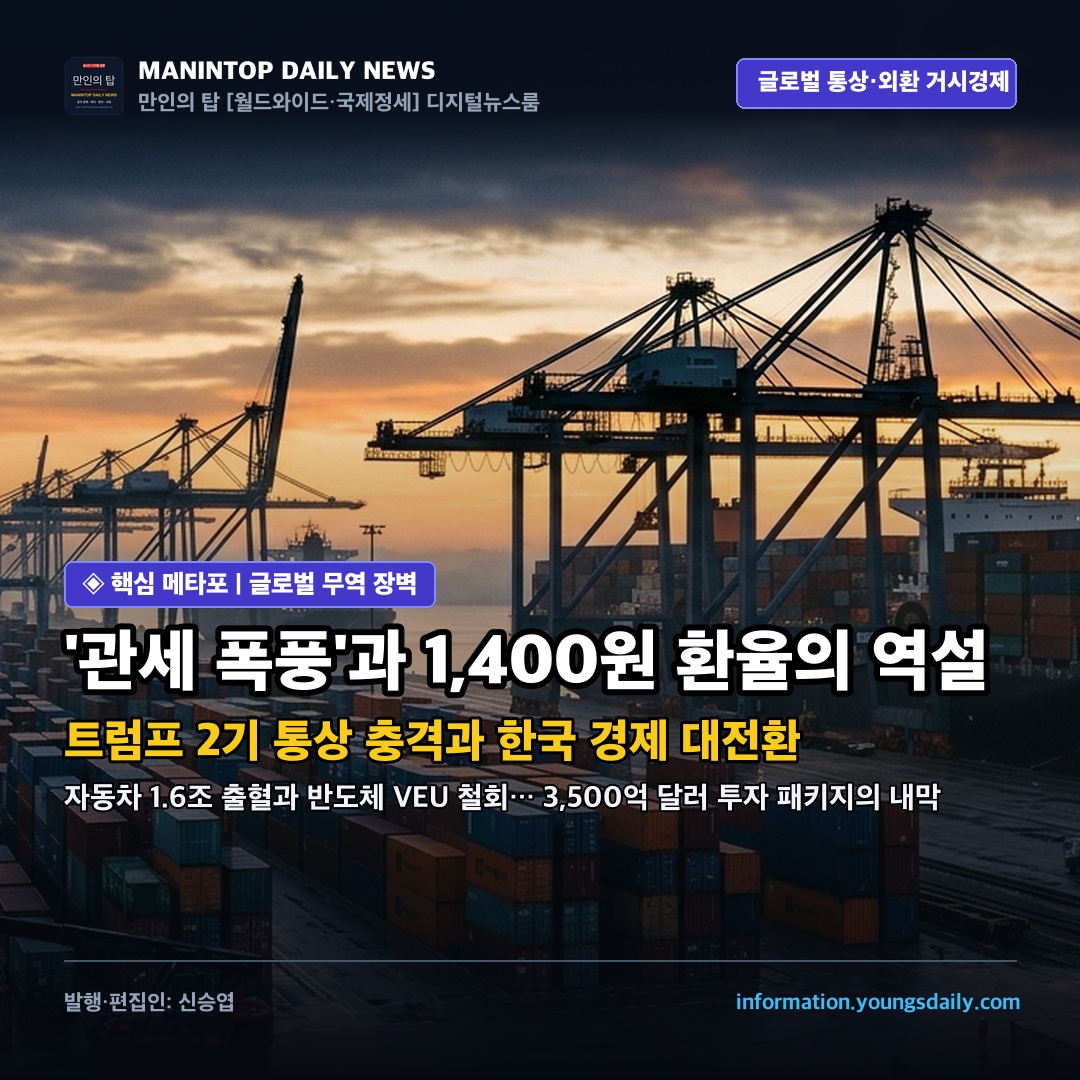
▲ 새벽 안개 속 대형 컨테이너선과 갠트리 크레인이 늘어선 국제 무역 항만 전경. 트럼프 2기 행정부의 공격적인 관세 정책과 환율 급변 속에서 글로벌 수출 공급망이 근본적인 재편을 겪고 있다. / 글로벌 무역 통상 공식 보도 자료 사진
트럼프 2기 행정부의 거센 관세 폭풍이 글로벌 교역 질서를 송두리째 뒤흔드는 가운데, 한국 경제가 전례 없는 복합 위기와 대전환의 시험대에 올랐습니다. 1달러당 1,400~1,450원대의 유례없는 고환율이 486일 넘게 장기화되며 수출 채산성을 갉아먹는 '고환율의 역설'이 현실화되었고, 자동차 산업은 25%의 파멸적 관세는 막아냈지만 한미 FTA 0% 특혜를 잃고 2분기 단일 분기에만 1조 6,000억 원의 관세 출혈을 감내해야 했습니다. 여기에 반도체를 겨냥한 무역확장법 제232조 표적관세와 중국 공장 VEU 철회 압박을 뚫기 위해 단행된 3,500억 달러 규모의 대미 투자 합의와 2026년 6월 18일 공식 출범하는 한미전략투자공사의 실체를 긴급 심층 해부합니다.
'보호'에서 '투자 강제'로 바뀐 통상 게임… 10%p 보편관세와 수출 132억 달러 증발 시나리오
과거의 통상 마찰이 단순히 국내 산업을 지키기 위한 방어적 보호무역에 그쳤다면, 트럼프 2기 행정부의 전략은 근본부터 다릅니다. 이른바 대외수입청(ERS) 신설 공언과 함께 추진되는 이번 조치는 고율 관세를 지렛대로 삼아 전 세계 첨단 공장과 천문학적 자본을 미국 영토 안으로 강제로 끌어들이는 공격적 '투자 연계형 강탈 통상'으로 진화했습니다.
한국무역협회(KITA) 국제무역통상연구원의 정밀 실증 분석에 따르면, 미국 통상 정책의 가장 위험한 분기점은 특정국 제재가 아니라 전 세계를 겨냥한 '10%포인트 보편관세(Universal Tariff)'의 시행 여부인 것으로 확인되었습니다. 미국이 중국(10%p)이나 캐나다·멕시코(25%p)에만 관세를 매길 경우, 한국산 제품이 미국 시장에서 반사이익(+19.6억 달러)을 얻어 중간재 수출 감소분을 메우면서 총수출 타격은 -0.03% 수준에 불과합니다.
그러나 한국을 포함한 전 세계에 10%p 보편관세가 일괄 부과되는 최악의 시나리오가 현실화될 경우, 대미 수출은 100억 3,000만 달러(-7.9%) 곤두박질치고 전 세계 총수출은 132억 4,000만 달러(한화 약 18조 원)나 증발하는 충격파를 맞게 됩니다. 한국이 미국 수입 상위 30개국 중 타격 순위 4위로 선방한 것은 수송기기와 전기전자 분야의 높은 대체 효과(반사이익 28억 9,900만 달러) 덕분이지만, 그동안 누려온 한미 자유무역협정(FTA)의 실질 무관세 혜택이 송두리째 날아가는 치명적 대가를 치러야 합니다.
25% 관세 폭탄 막았지만 사라진 '무관세 프리미엄'… 1조 6천억 원 출혈과 지역별 양극화
자동차 산업은 트럼프 2기 관세 폭탄의 가장 참혹한 격전지였습니다. 2024년 한국 자동차 산업의 대미 수출액은 429억 달러, 무역흑자는 404억 달러로 전체 수출의 46.7%, 흑자의 55.3%가 미국에 집중되어 있었습니다. 2025년 3월 트럼프 행정부가 무역확장법 제232조를 발동해 완성차 17개 품목과 부품 130개 품목에 25%의 살인적인 관세를 통보하자 산업계는 패닉에 빠졌습니다.
정부의 끈질긴 협상 끝에 8월 관세율을 15%로 낮추는 합의를 이끌어냈지만, 그 속내는 쓰라렸습니다. 10여 년간 한미 FTA로 지켜온 '0% 무관세 프리미엄'이 영구 소멸하고, 과거 2.5% 관세를 물던 일본과 독일 자동차와 동일한 15% 관세선에 서게 되면서 한국 차가 유지해 온 2.5%포인트의 가격 우위가 일순간에 증발한 것입니다.
현대자동차와 기아는 관세 인상분을 가격에 전가하지 않고 본사 출혈로 메우는 정면 돌파를 감행했습니다. 그 결과 2025년 2분기 미국 시장 점유율은 10.7%(0.3%p 상승)를 가까스로 지켜냈으나, 단일 분기에만 무려 1조 6,000억 원의 관세 비용을 고스란히 떠안아야 했습니다. 더욱이 국내 지역별 충격은 극명하게 엇갈려, 수출 시장이 다변화된 울산과 달리 생산량의 90% 이상을 미국에 직수출하는 한국GM 창원공장 등 경남 부품 생태계는 고용 절벽과 가동 중단 위기에 내몰렸습니다.
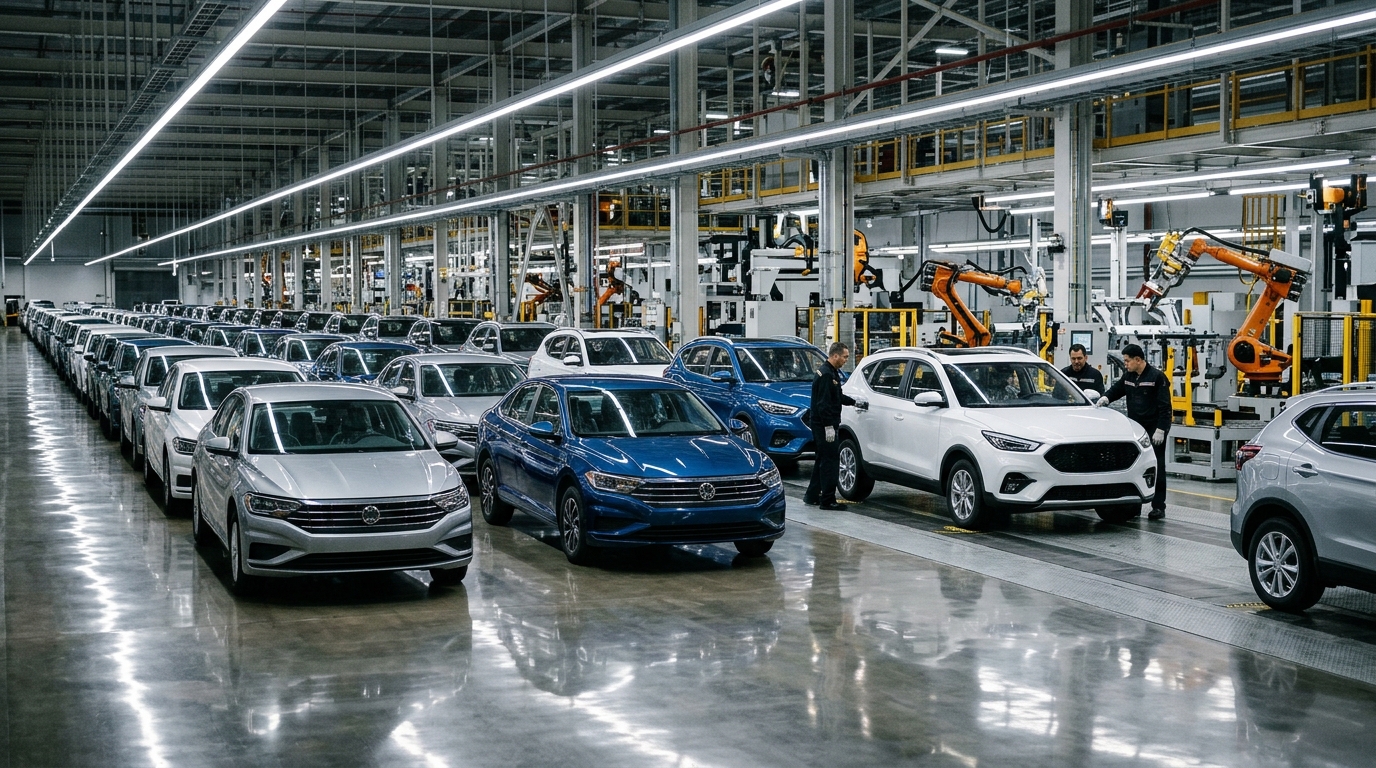
▲ 첨단 자동차 조립 공장에서 수출 선적을 앞두고 최종 품질 검사를 진행 중인 신차 행렬. 한미 FTA 0% 무관세 특혜가 사라지고 15% 관세가 적용되면서, 완성차 업계는 현지 점유율 수호를 위해 분기당 1조 원이 넘는 출혈을 감수하고 있다. / 완성차 제조 인프라 공식 보도 사진
'공장 안 지으면 표적관세'와 VEU 철회의 충격… 반도체 22개 법안의 그물망
반도체 산업은 관세와 국가안보 수출통제가 결합된 가장 교묘한 덫에 갇혔습니다. 트럼프 행정부는 미국 내에 반도체 팹을 짓지 않거나 현지 생산 비중이 낮은 기업의 반도체와 완제품(서버·PC)에 25%에서 최고 300%에 달하는 고율 표적관세를 물리겠다는 구상을 현실화하고 있습니다. 일부 첨단 컴퓨팅 칩에 25% 관세를 부과하면서도 데이터센터용 수입은 면제해 준 것은, 관세를 자국 내 팹 투자를 쥐어짜기 위한 정치적 압박 카드로 휘두르고 있음을 여실히 보여줍니다.
더욱 충격적인 것은 중국 내 한국 반도체 기지에 대한 압박입니다. 미국 상무부는 삼성전자 시안 공장(낸드플래시)과 SK하이닉스 우시 공장(DRAM)에 부여했던 '검증된 최종 사용자(VEU)' 지위를 전격 철회했습니다. 이제 장비를 반입할 때마다 건별 심사를 받거나 매년 쿼터 승인을 받아야 해, 첨단 공정 업그레이드는커녕 일상적인 유지 보수조차 미국 정부의 입김에 좌우되는 사상 초유의 운영 리스크에 직면했습니다.
여기에 미 하원 외교위원회가 2026년 4월 초당적으로 통과시킨 22개 고강도 수출통제 법안(MATCH Act, STRIDE Act, SCALE Act 등)은 한국 기업들을 코너로 몰고 있습니다. 동맹국이 미국 수준의 통제를 따르지 않으면 외국산직접제품규칙(FDPR)을 적용해 거래를 끊겠다는 조항부터, 적대국 반도체 성능의 110%까지만 수출을 허용하는 동태적 상한제까지 촘촘한 그물망이 펼쳐지며 생산 거점의 다변화가 발등의 불로 떨어졌습니다.
비교 분석 항목
대한민국 (한국)
일본
유럽연합 (EU)
초기 부과 관세율
상호관세 25% + 무역확장법 232조 자동차 25%
상호관세 24% 및 주요 수출품 표적관세 통보
상호관세 20% 및 철강·알루미늄 25% 통보
관세 인하 대가 합의 패키지
대미 투자 3,500억 달러 + 미국산 LNG 1,000억 달러 구매
대미 투자 5,500억 달러 + 알래스카 LNG 합작 + 쌀 시장 개방
대미 투자 6,000억 달러 + 에너지 7,500억 달러 구매 약속
최종 타결 관세율
15% 상한선 (완성차 품목관세도 15%로 인하 적용)
15% 상한선 (완성차 품목관세 15% 동일 적용)
15% 상한선 (항공기 및 반도체 장비는 무관세 유지)
핵심 전략 리스크
한미 FTA 0% 무관세 프리미엄 상실, 1.6조 관세 출혈
농축산물 시장 개방에 따른 국내 농가 반발 및 비용 부담
대미 에너지 조달 종속 가속화 및 제조업 경쟁력 약화
'1달러 1,400원 시대' 486일 신기록의 미스터리… 기업 80% 손해 보는 환율의 역설
외환시장의 상황은 더욱 기이합니다. 원/달러 환율은 과거 금융위기 이후 15년 9개월 만에 1,450원선을 뚫었고, 1,400원대 고환율이 무려 486일 넘게 이어지는 역사적 신기록을 쓰고 있습니다. 과거 1997년 외환위기 당시 288일, 2008년 글로벌 금융위기 당시 148일에 불과했던 것과 비교하면 '1,400원 뉴노멀'이 고착화된 것입니다.
하지만 이번 국면은 과거 위기와 구조적으로 완전히 다릅니다. 한국의 국가 부도 위험을 나타내는 신용부도스와프(CDS) 프리미엄은 24.15bp로 사상 최고 수준의 안정세를 구가하고 있으며, 경상수지 흑자 역시 반도체 수출 호조에 힘입어 역대 최대를 기록 중입니다. 원화 가치가 약세를 면치 못하는 진짜 이유는 서학개미들의 해외 주식 순매수(월 64억 8,800만 달러) 폭발과 대기업들이 대미 공장 건설을 위해 벌어들인 달러를 국내로 들여오지 않고 현지에 묶어두는 '구조적 자본 유출' 때문입니다.
가장 뼈아픈 대목은 "환율이 오르면 수출 대기업이 대박 난다"는 환율 공식이 완전히 깨졌다는 사실입니다. 한국무역협회가 국내 18,371개 수출기업을 전수 조사한 결과, 환율 상승 초기에는 61.8%의 기업이 환산 이익을 보지만, 480일 넘게 장기화되자 수입 원자재 및 국내 공급망 부품가 상승이 연쇄적으로 덮치면서 결국 80.1%의 기업이 영업이익률 악화(-2.68%p)라는 직격탄을 맞았습니다. 특히 국내 밸류체인 의존도가 높은 석유화학(간접비용 2.344% 상승)과 자동차·부품(2.324% 상승)이 최악의 타격을 입고 있습니다.
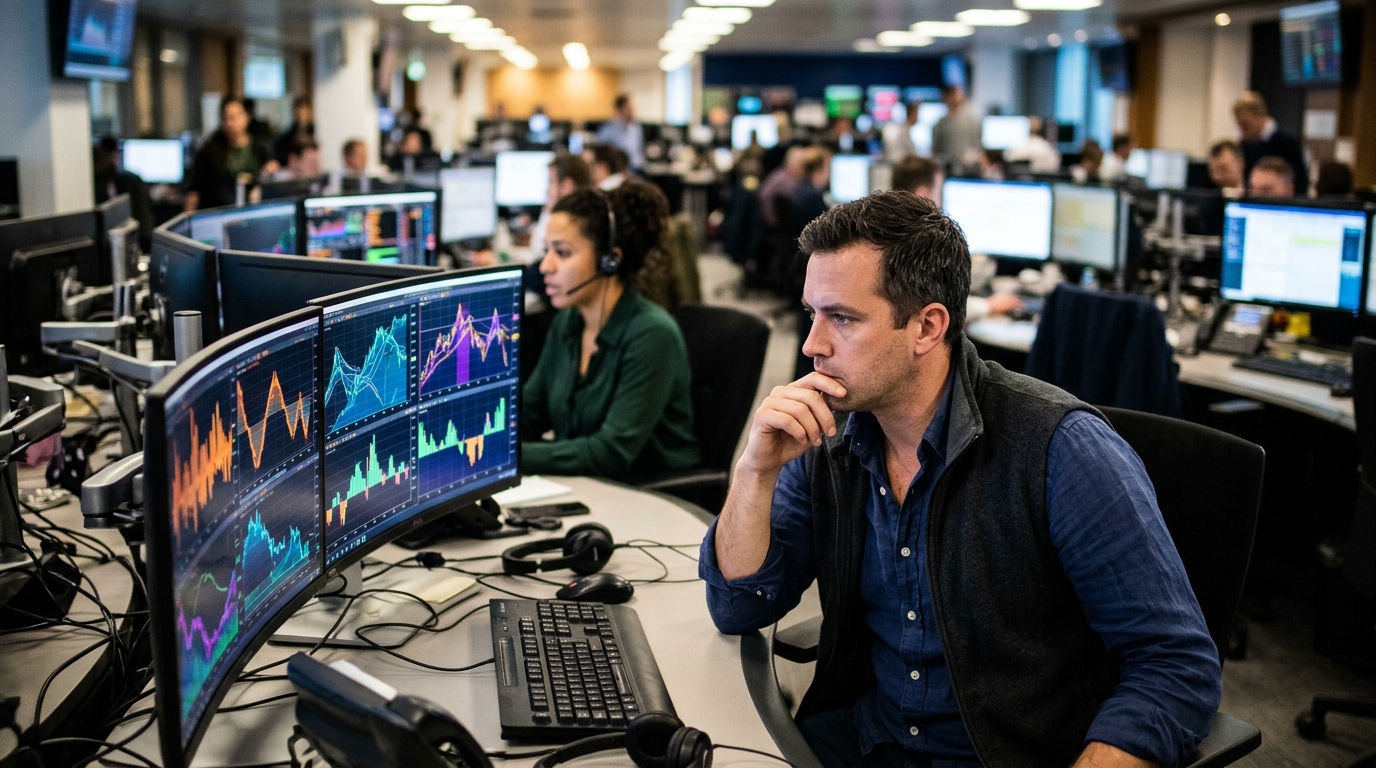
▲ 시중은행 외환 딜링룸에서 실시간 환율 추이를 분석 중인 외환 딜러들. 1달러 1,400원대 고환율이 486일 이상 지속되면서, 원자재 수입가 상승과 부품 단가 전이로 국내 수출 기업의 80.1%가 수익성 악화 위기에 직면했다. / 금융 시장 외환 딜링룸 공식 보도 사진
관세 깎아주는 대가로 3,500억 달러 유치… 2조 원 컨트롤타워 한미전략투자공사의 과제
미국의 통상 전략이 '관세 인하 경쟁'에서 '투자 유치 경쟁'으로 패러다임을 바꿈에 따라, 한국 정부의 대응 체계도 사상 초유의 거대한 전환을 맞이했습니다. 정부는 APEC 경주 정상회의를 계기로 관세를 15% 상한선으로 묶는 대신, 3,500억 달러(약 480조 원 이상)에 달하는 대미 전략 투자와 1,000억 달러 규모의 미국산 LNG 구매를 약속하는 조인트 팩트시트를 발표했습니다.
이 천문학적인 대미 투자를 총괄 지휘할 컨트롤타워로서 2026년 3월 12일 '한미전략적특별법'이 국회 본회의를 통과했고, 마침내 2026년 6월 18일 법정 자본금 2조 원 규모의 '한미전략투자공사'가 공식 출범합니다. 공사는 반도체, 이차전지, 미래 모빌리티, 청정에너지 등 핵심 첨단 분야에서 대미 투자 프로젝트를 심사하고 금융을 집행하는 막중한 역할을 맡게 됩니다.
그러나 한미전략투자공사 앞에는 가시밭길이 놓여 있습니다. 무분별한 자본 유출로 국내 제조업의 공동화(Hollowing out)가 일어나는 것을 막아야 하며, 대미 공장 투자가 국내 중소 소재·부품·장비 기업들의 동반 진출과 납품 확대로 이어지도록 견고한 연결고리를 만들어야 합니다. 관세를 피하기 위해 단행된 480조 원의 해외 투자가 국내 일자리 축소와 산업 기반 붕괴라는 부메랑으로 돌아오지 않도록 정밀한 국가 전략을 설계하는 것, 이것이 트럼프 2기 관세 폭풍 속에서 한국 경제가 풀어야 할 가장 무거운 시대적 숙제입니다.
만인의 탑 정론 뉴스룸 | 월드와이드 특별취재팀
발행인 겸 편집인: 신승엽 (Seung Youb Ssin)
본 기사는 한국무역협회(KITA) 국제무역통상연구원 실증 보고서, 산업연구원(KIET) 자동차산업 영향 분석, 대외경제정책연구원(KIEP) 통상 분석 자료, 미국 상무부 산업안보국(BIS) 포고령, 미 의회 수출통제 법안 대장 및 대한민국 국회 특별법 공포안을 바탕으로 정밀 팩트체크를 거쳐 편찬되었습니다.
WORLDWIDE IN-DEPTH REPORT | Global Trade & Macroeconomic Governance
MANINTOP DAILY NEWS GLOBAL DESK
[EXCLUSIVE] The Tariff Tempest and the 1,400-Won Paradox: Trump 2.0 Trade Shock and the Great Korean Economic Shift
▲ Industrial gantry cranes towering over rows of shipping containers in an international deep-water port at dawn. Global export supply chains are undergoing structural realignment amid aggressive tariff measures and foreign exchange volatility. / Global Trade Press Archive
As the aggressive tariff storm of the second Trump administration upends the foundations of international commerce, the South Korean economy confronts an unprecedented structural test of resilience and industrial transformation. With the won-dollar exchange rate locked in the 1,400-to-1,450 range for an unprecedented 486 consecutive days, empirical data reveals a punishing paradox where prolonged currency weakness erodes corporate profitability rather than boosting margins. Simultaneously, while Korean automakers negotiated a 25 percent automotive tariff threat down to 15 percent, the permanent loss of Korea-US FTA duty-free parity inflicted a 1.6 trillion won absorption cost in a single quarter. Against this backdrop, this investigative briefing deconstructs the multi-front challenge spanning Section 232 semiconductor supply chain targeting, the revocation of Validated End-User status for Korean chip fabs in China, the strategic $350 billion US investment pact, and the impending June 18 launch of the Korea-US Strategic Investment Corporation.
From Protection to Forced Capital Relocation: The 10% Universal Tariff and $13.2B Export Contraction
While legacy protectionism sought merely to shield vulnerable domestic manufacturers through defensive barriers, the trade architecture of the second Trump administration has transformed into an aggressive, transactional paradigm. Spearheaded by the proposed External Revenue Service, Washington is utilizing elevated tariff threats as coercive leverage to force foreign manufacturing capital and advanced industrial facilities directly onto American soil.
Empirical research conducted by the Korea International Trade Association (KITA) demonstrates that the decisive fault line for Korean trade lies not in targeted bilateral sanctions, but in the potential implementation of a 10 percentage point universal tariff. Under baseline scenarios targeting solely China or regional neighbors, substitution gains in the American market (+1.96 billion dollars) largely offset intermediate goods losses, holding net Korean export contraction to a negligible 0.03 percent.
However, under the full universal tariff scenario, South Korea’s exports to the United States plummet by 10.03 billion dollars (-7.9 percent), triggering a global export contraction of 13.24 billion dollars (-1.9 percent). Although South Korea ranks favorably with the fourth-smallest percentage hit among the top 30 US import partners—buoyed by 2.9 billion dollars in substitution demand across transport and electronic machinery—this resilience comes at the severe structural cost of forfeiting the long-cherished duty-free protections of the bilateral free trade agreement.
Averting 25% Tariffs but Losing Duty-Free Primacy: The 1.6 Trillion Won Hit and Regional Divergence
The automotive sector emerged as ground zero in this confrontation. With 2024 automotive shipments to the United States reaching 42.9 billion dollars and yielding a 40.4 billion dollar surplus, more than 46 percent of total vehicle exports and 55 percent of sectoral surplus were tied to the American market. The invocation of Section 232 of the Trade Expansion Act in March 2025, threatening a crushing 25 percent levy on 17 vehicle classes and 130 component categories, sent shockwaves through Korean industry.
Subsequent negotiations successfully capped the tariff rate at 15 percent, but the concession proved costly. The historic zero-tariff exemption secured under the Korea-US FTA was permanently extinguished. By being bracketed into the exact same 15 percent tariff band as competitors from Japan and the European Union, Korean manufacturers saw their critical 2.5 percentage point relative price advantage instantly vanish.
To defend hard-won showroom positions, Hyundai Motor and Kia opted against passing tariff increases onto consumer stickers, choosing instead corporate absorption. While this maneuver preserved a 10.7 percent US market share in the second quarter of 2025, it inflicted a massive 1.6 trillion won single-quarter financial sacrifice. Domestically, the shock fractured along regional supply chains: while Ulsan mitigated fallout through diversified global shipments, regional hubs like Changwon, where specialized assembly facilities export over 90 percent of output to the US, confronted immediate production cuts and employment distress.
▲ Assembly lines inside an automated automotive manufacturing facility undergoing final quality verification prior to export transit. Following the loss of duty-free access and the imposition of a 15 percent tariff ceiling, automakers absorbed over one trillion won per quarter to protect market presence. / Automotive Manufacturing Press Archive
Section 232 Production-Linked Tariffs and VEU Revocation: The 22 Congressional Export Control Bills
The semiconductor sector faces an intricate crossfire blending punitive tariffs with escalating national security export curbs. Under proposed Section 232 mechanisms, Washington is advancing production-linked tariffs ranging from 25 percent to as high as 300 percent on microchips and finished computing hardware (servers, laptops) from manufacturers lacking domestic American fabrication facilities. Selective tariff exemptions for hyperscale datacenters underscore how these duties function as transactional instruments to mandate capital deployment.
Compounding this pressure is the abrupt revocation of Validated End-User (VEU) status for Samsung Electronics’ NAND flash fabrication complex in Xi’an and SK Hynix’s DRAM facility in Wuxi. Stripped of general licenses, these mega-fabs must now navigate case-by-case reviews and annual equipment quotas, placing long-term cleanroom maintenance and generational lithography upgrades under continuous bureaucratic jeopardy.
The regulatory vice tightened further in April 2026, when the US House Foreign Affairs Committee passed a slate of 22 bipartisan export control bills. Measures such as the MATCH Act and STRIDE Act enforce foreign-direct product secondary sanctions against non-compliant allies while introducing dynamic performance caps limiting exports to 110 percent of indigenous adversarial fabrication capabilities, accelerating the necessity for geographic fab diversification.
Comparative Metrics
South Korea
Japan
European Union
Initial Tariff Baseline
25% reciprocal tariff plus Section 232 25% auto duty
24% reciprocal tariff notification on primary exports
20% reciprocal tariff notice plus 25% steel/aluminum
Concession Package
$350B direct US investments plus $100B in LNG procurement
$550B direct investment, Alaska LNG joint venture, rice access
$600B investment package plus $750B in US energy purchases
Final Agreed Tariff Ceiling
15% ceiling (vehicle tariff matched at 15%)
15% ceiling (vehicle tariff matched at 15%)
15% ceiling (aircraft and semiconductor tooling exempt)
Core Strategic Vulnerability
Loss of FTA zero-duty parity and 1.6T won cost absorption
Domestic agricultural backlash over market concessions
Escalating energy import dependence and industrial cost strains
The Mystery of 486 Days Above 1,400 Won: The Profitability Paradox Squeezing 80% of Exporters
In foreign exchange markets, macroeconomic reality has broken with historical precedent. The Korean won has remained depressed above the 1,400-won threshold for more than 486 consecutive days, breaching 1,450 won for the first time in nearly 16 years. This duration dwarfs the 288 days recorded during the 1997 Asian financial crisis and the 148 days of the 2008 global crash, cementing a new high-exchange-rate plateau.
Yet macroeconomic fundamentals diverge entirely from past distress episodes. South Korea’s sovereign Credit Default Swap (CDS) spread remains exceptionally resilient at 24.15 basis points, while robust semiconductor shipments have produced historic current account surpluses. Instead of systemic insolvency, the protracted won weakness is propelled by structural capital flows: massive retail outbound equity investments exceeding 6.48 billion dollars per month and conglomerate treasury allocations retaining dollar proceeds abroad for American fab construction.
Crucially, comprehensive financial analysis of 18,371 manufacturing exporters debunks the dogma that currency devaluation inherently enriches exporting nations. While 61.8 percent of firms enjoy fleeting translation gains in the immediate term, the prolonged 480-day plateau cascades higher imported input costs through domestic supply chains. Over extended horizons, an overwhelming 80.1 percent of exporters suffer operating margin degradation averaging -2.68 percentage points, with intermediate-heavy sectors such as petrochemicals and automotive components absorbing the steepest cost inflation.
▲ Foreign exchange dealers analyzing live currency trajectories across trading desks. With the exchange rate sustaining above 1,400 won for 486 days, input price inflation across domestic value chains has eroded operating margins for 80.1 percent of manufacturing exporters. / Financial Market Dealing Press Archive
Trading $350 Billion in Capital for Tariff Reprieves: The Mandate of the Korea-US Strategic Investment Corp
As Washington shifted international trade dynamics from competitive tariff negotiations to transactional investment procurement, Seoul reorganized its institutional apparatus. Solidified during bilateral negotiations surrounding the APEC Gyeongju summit, South Korea committed to a 350 billion dollar strategic investment framework and 100 billion dollars in American liquefied natural gas procurements in exchange for a 15 percent tariff ceiling.
To execute this unprecedented offshore capital allocation, the National Assembly enacted dedicated enabling legislation on March 12, paving the way for the official launch of the Korea-US Strategic Investment Corporation on June 18, 2026. Capitalized with two trillion won, the statutory entity serves as the state command center tasked with screening, financing, and governing high-stakes investments across semiconductors, advanced mobility, secondary batteries, and green energy infrastructure.
The corporation's primary strategic imperative is navigating domestic hollowing-out risks. Mandated congressional oversight mechanisms seek to prevent indiscriminate capital flight, requiring outbound megaprojects to maintain direct supply linkages with indigenous component, material, and equipment suppliers. Preventing multi-hundred-billion-dollar foreign investments from dismantling domestic employment and production foundations constitutes South Korea's most critical economic challenge amid the second-term tariff storm.
MANINTOP DAILY NEWS ROOM | Worldwide Special Investigation Team
Publisher & Editor-in-Chief: Seung Youb Ssin
This investigative report was compiled through rigorous documentary verification of Korea International Trade Association empirical datasets, Korea Institute for Industrial Economics & Trade assessments, US Commerce Department BIS regulatory filings, US Congressional export control registries, and official statutory enactments of the National Assembly.
PRO SOURCING ENGINE만인의 탑 빅데이터 솔루션
★ 가입 시 600 크레딧(120회) 전원 무료
내가 찾는 상품 키워드, 지금 얼마나 검색될까?
네이버 월간 검색량 + 구글 볼륨 + 아이템스카우트 실시간 상품수와 경쟁강도 배지를 0.5초 만에 무료로 확인하세요.
MANINTOP NEWSLETTER
📬 만인의 탑 뉴스레터 무료 구독
오늘 보신 정책·시사 뉴스가 유익하셨나요? 매일 엄선되는 알짜 복지 혜택과 국회 실시간 속보를 이메일로 가장 먼저 받아보세요. (평생 무료)
1월이 시작되면 감기는 이미 우리 곁에 와 있습니다. 2월, 3월, 4월까지 이어지는 추위와 건조함은 코와 목을 가장 먼저 공격합니다. 아침에 일어나자마자 막혀 있는 코. 계속 흐르는 콧물. 괜히 칼칼해지는 목. 이 증상은 “시작”일 뿐입니다. 한 번 무너지면 일주일, 길면 한 달까지 끌고 갑니다. 약을 먹으면 잠깐 괜찮아집니다. 하지만 며칠 뒤 또 반복됩니다. 왜일까요? 감기는 ‘치료’의 문제가 아니라 ‘관리’의 문제이기 때문입니다. 대부분은 감기가 오고 나서 약을 찾습니다. 하지만 진짜 중요한 건 감기가 오기 전에 코와 목을 지키는 것입니다. 건조한 실내 공기, 차가운 바깥 공기, 눈에 보이지 않는 세균. 코와 목은 매일 공격받고 있습니다. 지긋지긋하죠! 그런데도 우리는 아무 준비 없이 버티고 있습니다. 이번 겨울도 그렇게 보낼 건가요? 사실 방법은 어렵지 않습니다. 코를 깨끗하게 관리하고, 목을 따뜻하게 보호하고, 점막을 촉촉하게 유지하고, 기관지를 미리 관리하고, 외부 공기를 차단하는 것. 이 다섯 가지만 꾸준히 해도 감기약 없이 겨울을 보내는 것이 충분히 가능합니다. 🔥 이제부터 그 방법을 하나씩 살펴보겠습니다. 🔥 1. 코와 목을 먼저 관리해야 하는 과학적 이유 감기의 대부분은 코 점막에서 시작됩니다. 국제 학술지 Nature Reviews Microbiology 와 Journal of Allergy and Clinical Immunology 에 실린 호흡기 감염 관련 연구들에서는, 감기 바이러스가 비강 상피세포에 먼저 부착해 증식한다는 점을 설명하고 ...
리모델링사업이 진행 중인 아파트를 매매할 때 “계약금 10%를 언제까지 내야 하느냐”는 질문이 특히 많이 나옵니다. 이주공고(이주 안내)가 7~11월쯤이라고 들으면, 그 시점에 맞춰 계약금도 움직일 것 같아서 더 헷갈리기 쉽습니다. 하지만 실제 납부기한은 ‘이주공고가 언제냐’만으로 자동 결정되지 않는 경우가 많습니다. 1) 계약금 10% 납부기한: 결국 ‘문서에 적힌 일정’이 기준 계약금 10%를 언제까지 납부해야 하는지는, 내가 서명하는 매매계약서(특약 포함) 와 사업주체/조합이 제시한 공고·안내문 에 적힌 납부 일정이 기준이 됩니다. 실제 공고문에서는 분양대금 납부의 큰 틀(계약금→중도금→잔금)을 먼저 안내하고, 상세 일정은 별도 표나 유의사항으로 제시하는 방식이 흔합니다. 또, 계약서 문구에 따라 지급 시점이 조건부로 설정될 수도 있습니다. 예를 들어 한 사례 소개 자료에서는 용역계약서에 잔금(10%) 지급시기가 “사업승인 후”로 기재되어 있었다는 점이 언급됩니다. 이런 식으로 ‘사업 단계’와 지급을 연동하는 문구가 들어가면, 질문의 답은 계약서 문구를 확인해야만 확정됩니다. 관련 내용은 링크 에서 문구 사례를 확인할 수 있습니다. 2) 입주자모집공고에서 확인되는 ‘납부 순서’와 잔금 마감 시점 공고문에 적힌 문구를 보면, 납부 순서와 잔금 마감에 대한 기준이 비교적 명확하게 제시되는 경우가 있습니다. 예를 들어 한 입주자모집공고에는 “분양금액(주택가격)은 계약금, 중도금, 잔금의 순서로 납부”하며 “잔금은 입주(열쇠 수령일) 전에 완납”해야 한다고 안내되어 있습니다. (문구 확인: 링크 ) 이 문구가 의미하는 바는 최소 2가지입니다. 분양/공급 형태의 문서에서는 ‘계약금→중도금→잔금’ 흐름이 공식적으로 안내될 수 있습니다. 잔금은 “입주(열쇠 수령)” 이전에 완납해야 한다는 마감 기준이 문서에 적혀 있을 수 있습니다. 다만, 위 공고문 문구는 잔금 마감에 대한 기준을 보여주지만, 계약금 10%의...
윤석열 전 대통령 탄핵 인용 소식을 접하면, 가장 궁금한 지점은 ‘헌재가 정확히 무엇을 위헌·위법으로 봤는가’입니다. 또한 탄핵과 별개로 진행되는 형사재판(내란 우두머리 혐의 등)이 어디까지 왔는지도 함께 정리할 필요가 있습니다. 아래 내용은 제공된 기사/게시물 스니펫과 링크에서 확인되는 범위만 모아, 일반인이 흐름을 이해하기 쉽게 정리한 것입니다. 1) 탄핵 인용 관련: 스니펫에서 확인되는 ‘판단의 골격’ 제공된 근거 중 조국혁신당 사이트에는 헌법재판소가 윤석열 탄핵 심판에서 “피청구인의 위헌·위법행위는 국민 신임 …”이라는 취지로 판단했다는 문장이 인용돼 있습니다( 링크 ). 이 인용문만 놓고 보면, ‘위헌·위법행위’가 있었는지와 그로 인해 ‘국민의 신임’이 어떻게 평가됐는지가 핵심 축으로 소개됩니다. 다만 질문에서 요청하신 세부 항목, 즉 비상계엄 선포 자체를 문제 삼은 구체적 이유, 계엄 이후 조치(포고령, 국회 통제 등)의 어떤 지점이 헌법 위반인지, 국회의 권한행사 방해 및 정치활동 제약을 어떤 논리로 판단했는지 등은, 이번에 제공된 근거의 제목/스니펫만으로는 조항·사실관계·판단 구조가 그대로 제시돼 있지 않습니다. 따라서 이 글에서는 ‘헌재가 무엇을 문제 삼았다’는 세부 리스트를 단정적으로 재구성하기보다, 현재 확인 가능한 문구 수준의 요약(위헌·위법행위 → 국민 신임의 문제로 평가)까지만 적습니다. 만약 헌재 결정문 전문(주문 및 이유)이 추가로 확인되면, 그때는 문장 단위로 ‘어떤 행위’와 ‘어떤 헌법 원리/조항’이 연결되는지(예: 권력분립, 국회의 권한, 정치적 기본권 등) 구조화해 정리하는 것이 가장 정확합니다. 2) 형사 절차(내란 혐의) 관련: 체포영장과 1심 선고 언급 탄핵 심판과 별도로, 12·3 비상계엄 사태로 내란 혐의를 받는 윤석열 대통령에 대해 2024년 12월 31일 체포 영장이 발부됐다는 BBC 보도가 있습니다( 링크 ). 해당 보도는 ‘현직 대통령’에 대한 체포영장 발부라는 점을 함께 언급합니다. 또...