▲ 2026년 하반기 남녀고용평등법 개정안 종합 분석 및 HR 실무 가이드 (공식 보도 자료)
📌 핵심 브리핑 · 주요 쟁점 및 핵심 요약
대한민국 정부가 저출생 추세를 반전시키고 일·가정 양립 여건을 획기적으로 개선하기 위해 추진해 온 「남녀고용평등과 일·가정 양립 지원에 관한 법률 시행령」 및 「고용보험법 시행령」 개정안이 국무회의를 통과하여 2026년 하반기부터 본격 시행에 들어갔습니다. 이번 개정안은 기존 출산 이후에 집중되었던 남성 근로자의 돌봄 지원을 임신 초기부터 전 과정으로 확대하고, 방학 및 갑작스러운 질병 등 단기 돌봄 공백에 적시 대응할 수 있는 제도적 장치를 신설한 것이 핵심입니다.
SPONSORED · ADVERTISEMENT
1. 2026년 하반기 남녀고용평등법 개정안 핵심 개요 및 시행 일정
이번 법령 개정은 정부의 저출생 대책에 따른 모성보호 및 일·가정 양립 지원제도 확충 정책의 일환으로 추진되었습니다. 2026년 8월 11일 국무회의 심의·의결을 거쳐, 단기 육아휴직은 8월 20일부터, 배우자 지원 3종 세트 및 육아기 근로시간 단축 강화 등은 9월 18일부터 순차적으로 시행됩니다.
주요 개정 항목별 시행 일정 및 핵심 변경사항
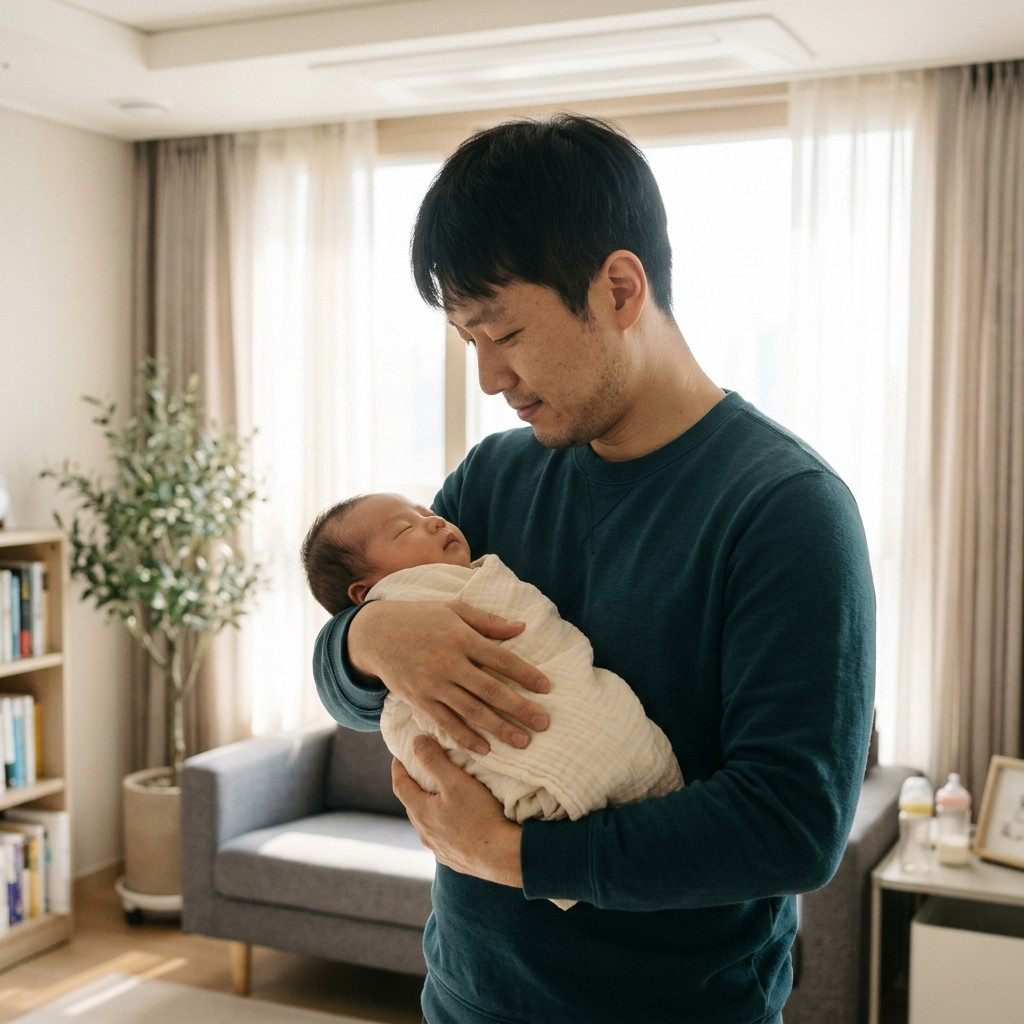
▲ 남성 근로자의 모성보호 및 돌봄 참여 확대를 지원하는 아빠의 육아휴직 돌봄 현장 / 고용노동부 공식 자료
2. 단기 육아휴직 제도 신설 (2026.8.20 시행)
2.1. 도입 배경 및 법적 개념
기존 육아휴직제도는 최소 30일 이상 사용해야 육아휴직 급여가 지급되어, 어린이집 방학이나 갑작스러운 휴원, 자녀의 단기 입원과 같은 일시적 돌봄 공백이 발생했을 때 근로자들이 연차유급휴가를 소진하거나 직장 내 눈치를 보아야 하는 어려움이 있었습니다. 이를 해소하기 위해 1주 또는 2주의 단기간 동안 육아휴직을 탄력적으로 사용할 수 있는 '단기 육아휴직' 제도가 신설되었습니다.
2.2. 세부 운영 요건 및 산정 기준
단기 육아휴직은 자녀 양육의 유연성을 극대화하기 위해 다음과 같은 세부 기준에 따라 운영됩니다. - 대상 자녀: 만 8세 이하 또는 초등학교 2학년 이하의 자녀를 양육하는 근로자. - 허용 사유: ① 어린이집·유치원·학교의 휴업·휴교·방학, ② 자녀의 질병·사고로 인한 입원, ③ 감염병으로 인한 등원·등교 중지 등 집약적 돌봄이 필요한 사유.
- 사용 단위: 연 1회, 1주(7일) 또는 2주(14일) 단위로만 사용 가능합니다. 하루 단위로 기간을 늘리거나 줄일 수 없으며, 1주와 2주 중 하나를 명확히 선택해야 합니다. - 급여 지원: 단기 육아휴직 사용 기간 동안에도 기존 육아휴직 급여 지급 기준에 따라 1주(7일) 또는 2주(14일) 단위로 환산된 육아휴직 급여가 지급됩니다.
- 기간 차감 및 분할 사용 횟수 특례: - 단기 육아휴직 사용 기간은 전체 육아휴직 기간(최대 1년 6개월)에서 차감됩니다. - 그러나 일반 육아휴직의 법정 분할 사용 횟수(3회)에는 차감되지 않는 특례가 적용되므로, 근로자는 기존 육아휴직 분할권을 온전히 유지할 수 있습니다.
- 부모 모두 3개월 이상 육아휴직 사용 여부를 판단할 때에도 단기 육아휴직 사용 기간이 포함됩니다. - 자녀별 적용 및 연도 산정: 단기 육아휴직은 자녀별로 연 1회 제공됩니다. 만약 사용 기간이 연도에 걸쳐 있는 경우에는 휴직을 시작한 연도에 사용한 것으로 산정합니다.
* 단기 육아휴직 산정 구조 및 신청 기준: - 전체 육아휴직 가능 기간 (최대 1.5년): 단기 육아휴직 사용일수(7일 또는 14일) 차감 - 일반 육아휴직 분할 가능 횟수 (3회): 단기 육아휴직 사용으로 차감되지 않음 (0회 차감 특례).
- 신청 기한: 일반 방학 사유 시 30일 전 신청, 갑작스러운 휴원·입원 등 긴급 사유 시 당일 개시 신청 가능.
2.3. 긴급 당일 신청 및 사업주 시기 변경권
단기 육아휴직은 돌봄 사유의 긴급성에 따라 신청 절차가 이원화되어 있습니다. 1. 일반 사유 (방학 등): 예측이 가능한 방학 등의 사유로 신청할 경우 휴직 개시 예정일 30일 전에 신청해야 합니다. 2. 긴급 사유 (휴원·휴교, 질병·사고 입원 등): 갑작스러운 등원 중지나 자녀 입원 등의 긴급 상황 발생 시에는 당일 개시하는 단기 육아휴직 신청이 가능합니다.
3. 사업주의 시기 변경권: 특정 시기(예: 방학)에 단기 육아휴직 신청이 집중되어 사업장에 심각한 운영 차질이 발생하는 경우, 사업주는 근로자와의 서면 협의를 통해 휴직 시기를 변경할 수 있습니다.
개정 핵심 영역
주요 제도 개편 내용
시행 일정
실무 핵심 및 지원 혜택
단기 육아휴직 신설
연 1회 1주 또는 2주 단위 사용 (분할횟수 미차감)
2026.08.20
방학·입원 등 긴급 시 당일 신청 가능·급여 지급
배우자 유산·사산휴가
배우자 유산·사산 시 최대 5일 부여 (최초 3일 유급)
2026.09.18
우선지원기업 급여 전액 지원 (1일 84,210원)
배우자 출산휴가 확대
출산예정일 50일 전부터 사용 가능 (20일 유급, 3회 분할)
2026.09.18
우선지원기업 통상임금 100% 지원 (월 168.4만)
임신 중 육아휴직
배우자 유산·조산 위험 시 출생 전 육아휴직 허용
2026.09.18
7일 전 신청·법정 분할횟수 미차감 특례
육아기 단축 거부축소
사업주의 거부 사유 중 '대체인력 채용 불가' 삭제
2026.09.18
인력 수급 핑계 거부 원천 차단·취업규칙 개정
SPONSORED · ADVERTISEMENT
3. 남성 근로자 배우자 지원 3종 세트 (2026.9.18 시행)
남성 근로자의 돌봄 참여를 출산 이후뿐만 아니라 임신 초기 및 유산·사산의 위기 상황까지 확대하는 '배우자 지원 3종 세트'가 본격 시행되었습니다.
3.1. 배우자 유산·사산휴가 및 급여 신설
배우자가 유산 또는 사산했을 때 남성 근로자가 신체적·정신적 회복을 도울 수 있도록 독립된 법정 휴가 제도가 신설되었습니다. - 휴가 기간 및 유급 처리: 배우자가 유산 또는 사산한 경우, 발생일로부터 20일 이내에 청구하여 최대 5일 범위(최초 3일 유급) 내에서 사용할 수 있습니다.
- 우선지원대상기업 급여 지원: 우선지원대상기업 소속 근로자의 경우 최초 3일의 유급 휴가 기간에 대해 정부가 통상임금 100% 상당의 배우자 유산·사산휴가 급여를 지급합니다. - 급여 지원 상한액: 1일분 84,210원 / 2일분 168,420원 / 3일분 252,630원.
- 청구 기한 및 기간 계산: - 배우자가 유산·사산한 날부터 20일 이내에 휴가를 청구하고 휴가를 시작해야 합니다. 휴가 종료일은 20일이 지나도 법정 휴가로 인정됩니다. - 청구 기한 산정 시 민법에 따라 초일은 산입하지 않으며, 말일이 토요일·일요일·공휴일인 경우 그 익일에 만료합니다.
- 적용 대상 범위: 법률혼 배우자뿐만 아니라 사실혼 관계의 배우자도 포함됩니다. 또한 다태아 임신 중 한 태아가 유산·사산된 경우 및 모자보건법 제14조제1항에 따른 인공임신중절수술의 경우에도 휴가가 적용됩니다.
- 사용 횟수 및 분할 여부: 배우자가 한 해에 여러 번 유산·사산하는 경우 제한 없이 매 회마다 5일의 휴가가 부여됩니다. 원칙적으로 연속 사용해야 하며, 노사 합의 시 분할 사용이 가능합니다. - 경과 조치: 2026년 9월 18일 이전에 유산·사산이 발생했더라도, 시행일 현재 발생일로부터 20일 이내라는 청구 기한이 남아있다면 개정법에 따라 휴가를 신청할 수 있습니다.
3.2. 배우자 출산전후휴가 사용 시기 확대 및 지원금
기존에는 배우자가 출산한 날부터만 사용할 수 있었던 배우자 출산휴가의 사용 가능 시기가 대폭 확대되었습니다. - 사용 가능 기간: 기존 '출산 후 120일 이내'에서 '출산예정일 50일 전부터 출산 후 120일 이내'로 변경되었습니다.
- 휴가 일수 및 분할: 20일의 유급휴가가 부여되며, 최대 3회까지 나누어 사용할 수 있습니다. 출산 전에 20일 전부를 사용하는 것도 법적으로 가능합니다. - 급여 지원: 우선지원대상기업 근로자는 20일 전체 기간에 대해 통상임금 100%(상한액 1,684,210원)의 급여를 지원받습니다.
- 배우자 출산휴가 업무분담지원금 (2026.7.1 시행 연계): - 우선지원대상기업 사업주가 배우자 출산휴가를 20일 연속 허용하고, 휴가 기간 동안 동료 근로자(최대 5인)에게 업무분담에 따른 금전적 보상을 지급한 경우 정부가 업무분담지원금을 지급합니다.
- 지원 금액: 30인 미만 사업장 최대 월 60만 원, 30인 이상 사업장 최대 월 40만 원.
3.3. 배우자 임신 중 육아휴직 허용
남성 근로자도 임신 중인 배우자의 건강상 위험이 발생했을 때 출생 전 육아휴직을 사용할 수 있게 되었습니다. - 신청 요건: 임신 중인 배우자가 유산·조산 등의 위험이 있는 질환(남녀고용평등법 시행규칙 별표3에 명시된 질병코드 및 하위코드)을 진단받은 경우.
- 신청 절차: 긴급성을 감안하여 휴직 개시 예정일 7일 전까지 사업주에게 신청하면 됩니다. 진단서 상 요양기간 이상으로도 신청이 가능합니다. - 기간 및 분할 특례: 사용 기간은 전체 육아휴직 기간(최대 1.5년)에서 차감되지만, 법정 분할 사용 횟수(3회)에는 차감되지 않는 특례가 적용됩니다. 자녀 출생예정일 이후까지 연속하여 육아휴직을 이어가는 신청도 가능합니다.
▲ 개정 남녀고용평등법에 맞춰 사내 취업규칙과 육아휴직 결재 시스템을 정비하는 기업 인사부서 / 인사노무 실무 자료
4. 일·가정 양립 및 노동 여건 개선 추가 법령 개정안
4.1. 육아기 근로시간 단축 허용 예외 사유 축소 (2026.9.18 시행)
기존 사업주가 근로자의 육아기 근로시간 단축 신청을 거부할 수 있었던 사유 중 '대체인력 채용이 불가능한 경우' 조항이 완전히 삭제되었습니다. 이에 따라 인력 수급 문제로 인한 거부가 불가능해져 근로자의 제도 활용 권리가 실질적으로 대폭 강화되었습니다. (단, 근속기간 6개월 미만, 사업 운영에 중대한 지장 초래 등의 사유는 유지).
4.2. 난임치료휴가 급여 지원 기간 확대 (2026.11.27 시행)
아이를 갖고자 하는 근로자의 난임치료 지원을 강화하기 위해 급여 지원 기간이 확대됩니다. - 휴가 부여: 사업주는 연간 6일(최초 4일 유급)의 난임치료휴가를 부여해야 합니다. - 급여 지원 확대: 우선지원대상기업 소속 근로자에 대한 급여 지원 기간이 기존 최초 2일에서 최초 4일로 확대됩니다.
- 지원 상한액: 통상임금 기준 4일분 상한액이 기존 168,420원에서 336,840원으로 2배 인상됩니다.
4.3. 노동자 권익 보호 및 고용안정 연계 개정
- 도산 사업장 체불근로자 대지급금 확대 (2026.8.20 시행): 회사가 도산한 경우 국가가 대신 지급하는 대지급금의 임금(또는 출산전후휴가 급여) 보장 범위가 기존 최종 3개월분에서 최종 6개월분으로 확대되어 체불 근로자의 생계 안전망이 강화되었습니다.
- 상습체불사업주 고용장려금 지원 제한 (2026.6.1 시행): 1년간 3개월분 이상 임금을 체불하거나 5회 이상&총 3천만 원 이상 체불하여 상습체불사업주로 정해진 경우 각종 고용장려금 지급 대상에서 제외됩니다.
- 4시간 근무 시 휴게시간 선택권 확대 (2026.12.10 시행): 하루 4시간 근무하는 근로자가 명시적으로 요청할 경우, 30분의 휴게시간 없이 즉시 퇴근할 수 있도록 근로기준법 제54조 조항 적용이 예외 처리됩니다.
새로운 법령이 현장에서 혼선 없이 작동하기 위해서는 기업 내 인사 규정과 시스템의 즉각적인 개정이 필수적입니다. 노동법률 전문가들이 제시하는 실무 핵심 포인트는 다음과 같습니다.
5.1. 취업규칙 및 인사 관리 시스템 개정 (과태료 리스크 예방)
- 취업규칙 정비: 사업장의 취업규칙, 인사규정, 복리후생 규정에 기존의 '출산 후 휴가 사용' 문구가 남아있다면, 개정된 법령 기준(출산예정일 50일 전 사용, 유산·사산휴가 신설 등)에 맞게 즉시 정비해야 합니다.
- 과태료 부과 위험: 취업규칙이 미처 개정되지 않았다는 사유만으로 개정 남녀고용평등법 적용이 배제되지 않으며, 사업주가 예전 규정을 이유로 출산 전 휴가나 단기 육아휴직 부여를 거부할 경우 남녀고용평등법 제39조에 따라 500만 원 이하의 과태료가 부과될 수 있습니다.
- 그룹웨어/전자결재 시스템 수정: 기존 시스템이 출산예정일 이전 휴가 신청이나 당일 단기 육아휴직 신청을 반려하지 않도록 결재 프로세스와 휴가 종류 코드를 개편해야 합니다.
5.2. 민감 정보 개인정보 보호 및 사내 안내
- 유산·사산휴가 사내 안내: 배우자 유산·사산휴가는 발생일로부터 20일이라는 엄격한 청구 기한이 존재하므로, 근로자가 제도를 몰라 사용 기한을 놓치지 않도록 사내 게시판 등을 통한 사전 안내가 필수적입니다.
- 개인정보 보호 절차 구축: 유산·사산은 근로자에게 매우 민감한 사안입니다. 휴가 신청 및 증빙 서류(진단서 등) 제출 과정에서 불필요하게 많은 인원이 해당 사실을 알지 못하도록 보안 결재 라인을 설정하고 개인정보 보관 절차를 강화해야 합니다. 과도한 증빙 요구 또한 지양해야 합니다.
5.3. 대체인력 및 조기 인수인계 체계 마련
- 인수인계 시점의 조기화: 배우자 출산전후휴가를 출산예정일 50일 전부터 사용할 수 있게 됨에 따라, HR 부서는 실제 출산일이 아닌 출산예정일을 기준으로 훨씬 이른 시점부터 업무 인수인계 및 대체인력 계획을 수립해야 합니다.
- 동료 간 업무분담 체계 및 지원금 활용: 10일에서 30일 내외의 단기 공백은 현실적으로 외부 대체인력 채용이 어렵습니다. 따라서 동일 부서 동료 간 업무 교류 체계를 사전 구축하고, 정부의 '배우자 출산휴가 업무분담지원금(월 최대 60만 원)'을 적극적으로 활용하여 동료 근로자에게 실질적인 금전 보상을 제공하는 것이 바람직합니다.
Comprehensive Analysis and HR Practical Guide on the Amendment of the Gender Employment Equality Act in the Second Half of 2026
The South Korean government has successfully passed amendments to the "Enforcement Decree of the Act on Gender Equality in Employment and Support for Work-Family Balance" and the "Enforcement Decree of the Employment Insurance Act" during the Cabinet meeting, which will come into full effect in the second half of 2026. These amendments aim to reverse the declining birthrate trend and significantly improve conditions for work-family balance. A key aspect of the amendments is the expansion of support for male workers' caregiving responsibilities from the early stages of pregnancy throughout the entire process, rather than focusing solely on the period after childbirth. Additionally, new institutional measures have been established to promptly address short-term caregiving gaps due to school vacations and sudden illnesses.
📌 Key Takeaways
Flexible care options available on a weekly or biweekly basis, with same-day emergency applications permitted.
Introduction of a 5-day leave for miscarriage and stillbirth, with the option to split usage starting from 50 days before childbirth.
Blocking excuses for the unavailability of substitute workers and imposing a fine of 5 million won for failure to amend employment regulations.
1. Key Overview and Implementation Schedule for the Amendment of the Gender Employment Equality Act in the Second Half of 2026
This legislative amendment is part of the government's measures to address low birth rates, aimed at expanding maternal protection and supporting work-life balance. Following deliberation and resolution at the Cabinet meeting on August 11, 2026, short-term parental leave will be implemented starting August 20, while the three-part spouse support package and enhanced work hour reductions during childcare will be gradually implemented from September 18.
Implementation Schedule and Key Changes by Major Amendment Items
▲ Paternity childcare leave scene supporting active male parental care and work-life balance / Ministry of Employment and Labor Archive
2. Introduction of Short-Term Parental Leave System (Effective August 20, 2026)
2.1. Background and Legal Concept
The existing parental leave system required a minimum of 30 days of leave to qualify for parental leave benefits, which posed challenges for workers facing temporary caregiving gaps due to daycare closures, sudden school breaks, or short-term hospitalizations of children. To address this, a new 'short-term parental leave' system has been established, allowing flexible use of parental leave for one or two weeks.
2.2. Detailed Operational Requirements and Calculation Criteria
Short-term parental leave will be operated according to the following detailed criteria to maximize flexibility in child-rearing:.
- Eligible Children: Workers raising children aged 8 years or younger or in the second grade of elementary school. - Permitted Reasons: ① Closure of daycare, kindergarten, or school, ② Hospitalization due to a child's illness or accident, ③ Situations requiring intensive care due to infectious diseases.
- Usage Units: Can only be used once a year in units of one week (7 days) or two weeks (14 days). The duration cannot be adjusted on a daily basis, and one must clearly choose between one week or two weeks.
- Benefit Support: During the short-term parental leave, benefits will be paid based on the existing parental leave benefit criteria, calculated in units of one week (7 days) or two weeks (14 days).
- Period Deduction and Special Provisions for Split Usage: - The duration of short-term parental leave will be deducted from the total parental leave period (maximum of 1 year and 6 months).
- However, a special provision applies whereby the legal limit for splitting regular parental leave (3 times) will not be deducted, allowing workers to fully retain their existing rights to split parental leave.
- When assessing whether both parents have used parental leave for more than three months, the duration of short-term parental leave will also be included.
- Child-Specific Application and Annual Calculation: Short-term parental leave is provided once per child per year. If the usage period spans multiple years, it will be counted as used in the year the leave commenced.
* Structure for Calculating Short-Term Parental Leave and Application Criteria: - Total possible parental leave duration (maximum 1.5 years): Deduct days used for short-term parental leave (7 days or 14 days).
- Number of times regular parental leave can be split (3 times): Not deducted by short-term parental leave usage (0 times deduction special provision).
- Application Deadline: 30 days prior for regular vacation reasons, same-day application possible for urgent reasons such as sudden closures or hospitalizations.
2.3. Same-Day Application for Urgent Situations and Employer's Right to Change Timing
Short-term parental leave has a dual application process based on the urgency of the caregiving reason. 1. General Reasons (e.g., school breaks): For predictable reasons such as school breaks, applications must be submitted 30 days prior to the intended start date of the leave.
2. Urgent Reasons (e.g., sudden closures, hospitalization): In cases of sudden cessation of attendance or hospitalization of a child, same-day applications for short-term parental leave are allowed.
3. Employer's Right to Change Timing: If applications for short-term parental leave are concentrated during specific periods (e.g., school breaks), causing significant operational disruptions, employers may change the leave timing through written consultation with the employee.
Category
Target Scope
Standard / Benefit
Procedure / Action
Introduction of Short-Term Parental Leave
Available for use once a year in one-week or two-week increments (no deduction for split usage)
August 20, 2026
Emergency applications for leave due to vacations or hospitalizations can be made on the same day, with salary payments provided
Spousal Miscarriage and Stillbirth Leave
Up to 5 days granted in the event of a spouse's miscarriage or stillbirth (the first 3 days are paid)
September 18, 2026
Full salary support for priority support companies (84,210 KRW per day)
Expansion of Spousal Maternity Leave
Leave can be taken starting 50 days before the expected delivery date (20 days paid, can be split into 3 parts)
September 18, 2026
100% support of regular wages for priority support companies (1,684,000 KRW per month)
Parental Leave During Pregnancy
Parental leave before birth is allowed in cases of spousal miscarriage or risk of premature birth
September 18, 2026
Applications can be made 7 days in advance; special provisions for no deduction of legal split usage
Reduction of Refusal to Shorten Childcare Period
Removal of "unable to hire replacement staff" from the employer's reasons for refusal
September 18, 2026
Blocking excuses related to labor supply and demand; revision of employment regulations
3. Three-Part Spouse Support Package for Male Workers (Effective September 18, 2026)
The 'three-part spouse support package' has been officially implemented, expanding male workers' involvement in caregiving not only after childbirth but also during early pregnancy and in cases of miscarriage or stillbirth.
3.1. Introduction of Spouse Miscarriage and Stillbirth Leave and Benefits
A separate legal leave system has been established to assist male workers in their physical and mental recovery when their spouse experiences a miscarriage or stillbirth.
- Leave Duration and Paid Treatment: In the event of a spouse's miscarriage or stillbirth, leave can be claimed within 20 days from the occurrence, allowing for use of up to 5 days (initially 3 days paid).
- Salary Support for Priority Support Enterprises: For employees of priority support enterprises, the government will provide a benefit equivalent to 100% of the regular wage for the first 3 days of paid leave.
- Salary Support Cap: 84,210 KRW for 1 day / 168,420 KRW for 2 days / 252,630 KRW for 3 days. - Claim Deadline and Period Calculation:.
- Leave must be claimed and started within 20 days from the date of the spouse's miscarriage or stillbirth. The end date of the leave will still be recognized as legal leave even if it exceeds 20 days.
- When calculating the claim deadline, the first day is not included, and if the last day falls on a Saturday, Sunday, or holiday, it will expire the following day.
- Scope of Application: The leave applies not only to legally married spouses but also to common-law partners. Additionally, it applies in cases where one fetus is lost during a multiple pregnancy or in cases of abortion as per Article 14, Paragraph 1 of the Maternal and Child Health Act.
- Usage Frequency and Splitting: If a spouse experiences multiple miscarriages or stillbirths in a year, 5 days of leave will be granted for each occurrence without restriction. Generally, the leave should be used consecutively, but splitting is allowed with mutual agreement between labor and management.
- Transitional Measures: Even if a miscarriage or stillbirth occurs before September 18, 2026, if the claim deadline of 20 days from the occurrence is still available on the implementation date, the leave can be claimed under the amended law.
3.2. Expansion of Spouse's Pre- and Post-Childbirth Leave Usage Period and Support Funds
The period during which the spouse's childbirth leave can be used has been significantly expanded from only after childbirth to now include from 50 days before the expected date of childbirth until 120 days after childbirth.
- Usage Period: Changed from 'within 120 days after childbirth' to 'from 50 days before the expected date of childbirth until 120 days after childbirth'.
- Leave Days and Splitting: A total of 20 days of paid leave will be granted, which can be split up to 3 times. It is legally permissible to use all 20 days before childbirth.
- Salary Support: Employees of priority support enterprises will receive 100% of their regular wage (maximum cap of 1,684,210 KRW) for the entire 20-day period.
- Spouse Childbirth Leave Work Sharing Support Fund (Effective July 1, 2026): - If the employer of a priority support enterprise allows 20 consecutive days of spouse childbirth leave and provides monetary compensation to colleagues (up to 5 people) for work sharing during the leave period, the government will provide a work sharing support fund.
- Support Amount: Up to 600,000 KRW per month for businesses with fewer than 30 employees, and up to 400,000 KRW per month for businesses with 30 or more employees.
3.3. Allowance for Male Workers to Take Parental Leave During Spouse's Pregnancy
Male workers can now take parental leave before childbirth if their pregnant spouse faces health risks. - Application Requirements: The pregnant spouse must be diagnosed with a condition that poses a risk of miscarriage or preterm birth (as specified in the enforcement regulations of the Gender Employment Equality Act).
- Application Procedure: Considering the urgency, applications must be submitted to the employer 7 days prior to the intended start date of the leave. Applications can also be made for periods longer than those indicated on the medical certificate.
- Duration and Splitting Provisions: The duration will be deducted from the total parental leave period (maximum of 1.5 years), but a special provision applies whereby the legal limit for splitting (3 times) will not be deducted. Applications can also be made to continue parental leave until after the expected date of childbirth.
▲ Corporate human resources department updating employment regulations and leave management systems / HR Administration Archive
4. Additional Legislative Amendments for Work-Life Balance and Labor Conditions Improvement
4.1. Reduction of Grounds for Refusal of Childcare Work Hour Reduction (Effective September 18, 2026)
The clause allowing employers to refuse requests for reduced work hours for childcare on the grounds of 'inability to hire substitute workers' has been completely removed. As a result, refusals due to workforce supply issues are no longer possible, significantly strengthening workers' rights to utilize the system. (However, reasons such as less than 6 months of service or causing significant operational disruptions remain in place.).
4.2. Extension of Paid Leave Support Period for Infertility Treatment (Effective November 27, 2026)
To strengthen support for workers seeking to have children, the paid leave support period for infertility treatment will be extended.
- Leave Provision: Employers must provide 6 days (initially 4 days paid) of infertility treatment leave annually. - Expanded Salary Support: The salary support period for employees of priority support enterprises will be expanded from the initial 2 days to 4 days.
- Support Cap: The cap for 4 days of salary support will be increased from 168,420 KRW to 336,840 KRW, doubling the amount.
4.3. Amendments Related to Worker Rights Protection and Employment Stability
- Expansion of Wage Guarantee for Workers Owed Wages in Bankrupt Businesses (Effective August 20, 2026): In the event of a company's bankruptcy, the scope of wage (or maternity leave pay) guaranteed by the state will be expanded from the last 3 months to the last 6 months, enhancing the safety net for workers owed wages.
- Restrictions on Employment Incentives for Habitual Wage Delinquents (Effective June 1, 2026): Employers designated as habitual wage delinquents due to failing to pay wages for more than 3 months in a year or for a total of over 30 million KRW on 5 or more occasions will be excluded from various employment incentives.
- Expanded Break Time Options for 4-Hour Workers (Effective December 10, 2026): Workers who work 4 hours a day will be allowed to leave immediately without a 30-minute break if they explicitly request it, as the provisions of Article 54 of the Labor Standards Act will be exempted.
For the new laws to operate smoothly in the field, immediate revisions to internal personnel regulations and systems within companies are essential. Key practical points suggested by labor law experts are as follows.
5.1. Revision of Employment Rules and Personnel Management Systems (Preventing Penalty Risks)
- Employment Rules Adjustment: If the employment rules, personnel regulations, or welfare regulations of the business still contain references to 'leave usage after childbirth,' they must be promptly revised to comply with the amended legal standards (usage from 50 days before the expected date of childbirth, establishment of miscarriage and stillbirth leave, etc.).
- Risk of Penalties: The failure to revise employment rules does not exempt the application of the amended Gender Employment Equality Act, and if an employer refuses to grant pre-birth leave or short-term parental leave based on old regulations, they may face a fine of up to 5 million KRW under Article 39 of the Gender Employment Equality Act.
- Modification of Groupware/Electronic Approval Systems: Existing systems must be revised to ensure that applications for leave before the expected date of childbirth or same-day short-term parental leave requests are not rejected.
5.2. Protection of Sensitive Personal Information and Internal Notification
- Internal Notification of Miscarriage and Stillbirth Leave: Given the strict claim deadline of 20 days from the occurrence, it is essential to provide advance notice through internal bulletin boards or other means to ensure that employees are aware of the system and do not miss the claim deadline.
- Establishment of Personal Information Protection Procedures: Miscarriage and stillbirth are highly sensitive issues for employees. Security approval lines should be established to prevent unnecessary personnel from being aware of such matters during the leave application and documentation submission process (such as medical certificates), and procedures for storing personal information should be strengthened. Excessive documentation requests should also be avoided.
5.3. Establishment of Substitute Personnel and Early Handover Systems
- Early Handover Timing: With the ability to use spouse childbirth leave from 50 days before the expected date of childbirth, HR departments should establish plans for work handover and substitute personnel based on the expected date of childbirth rather than the actual delivery date.
- Colleague Work Sharing System and Utilization of Support Funds: A short gap of 10 to 30 days makes it practically difficult to hire external substitute personnel. Therefore, it is advisable to proactively establish a work-sharing system among colleagues in the same department and to utilize the government's 'spouse childbirth leave work sharing support fund (up to 600,000 KRW per month)' to provide tangible monetary compensation to fellow workers.
Recommended Deep-Dive Investigations TOP 3
GLOBAL REPORT
1월이 시작되면 감기는 이미 우리 곁에 와 있습니다. 2월, 3월, 4월까지 이어지는 추위와 건조함은 코와 목을 가장 먼저 공격합니다. 아침에 일어나자마자 막혀 있는 코. 계속 흐르는 콧물. 괜히 칼칼해지는 목. 이 증상은 “시작”일 뿐입니다. 한 번 무너지면 일주일, 길면 한 달까지 끌고 갑니다. 약을 먹으면 잠깐 괜찮아집니다. 하지만 며칠 뒤 또 반복됩니다. 왜일까요? 감기는 ‘치료’의 문제가 아니라 ‘관리’의 문제이기 때문입니다. 대부분은 감기가 오고 나서 약을 찾습니다. 하지만 진짜 중요한 건 감기가 오기 전에 코와 목을 지키는 것입니다. 건조한 실내 공기, 차가운 바깥 공기, 눈에 보이지 않는 세균. 코와 목은 매일 공격받고 있습니다. 지긋지긋하죠! 그런데도 우리는 아무 준비 없이 버티고 있습니다. 이번 겨울도 그렇게 보낼 건가요? 사실 방법은 어렵지 않습니다. 코를 깨끗하게 관리하고, 목을 따뜻하게 보호하고, 점막을 촉촉하게 유지하고, 기관지를 미리 관리하고, 외부 공기를 차단하는 것. 이 다섯 가지만 꾸준히 해도 감기약 없이 겨울을 보내는 것이 충분히 가능합니다. 🔥 이제부터 그 방법을 하나씩 살펴보겠습니다. 🔥 1. 코와 목을 먼저 관리해야 하는 과학적 이유 감기의 대부분은 코 점막에서 시작됩니다. 국제 학술지 Nature Reviews Microbiology 와 Journal of Allergy and Clinical Immunology 에 실린 호흡기 감염 관련 연구들에서는, 감기 바이러스가 비강 상피세포에 먼저 부착해 증식한다는 점을 설명하고 ...
리모델링사업이 진행 중인 아파트를 매매할 때 “계약금 10%를 언제까지 내야 하느냐”는 질문이 특히 많이 나옵니다. 이주공고(이주 안내)가 7~11월쯤이라고 들으면, 그 시점에 맞춰 계약금도 움직일 것 같아서 더 헷갈리기 쉽습니다. 하지만 실제 납부기한은 ‘이주공고가 언제냐’만으로 자동 결정되지 않는 경우가 많습니다. 1) 계약금 10% 납부기한: 결국 ‘문서에 적힌 일정’이 기준 계약금 10%를 언제까지 납부해야 하는지는, 내가 서명하는 매매계약서(특약 포함) 와 사업주체/조합이 제시한 공고·안내문 에 적힌 납부 일정이 기준이 됩니다. 실제 공고문에서는 분양대금 납부의 큰 틀(계약금→중도금→잔금)을 먼저 안내하고, 상세 일정은 별도 표나 유의사항으로 제시하는 방식이 흔합니다. 또, 계약서 문구에 따라 지급 시점이 조건부로 설정될 수도 있습니다. 예를 들어 한 사례 소개 자료에서는 용역계약서에 잔금(10%) 지급시기가 “사업승인 후”로 기재되어 있었다는 점이 언급됩니다. 이런 식으로 ‘사업 단계’와 지급을 연동하는 문구가 들어가면, 질문의 답은 계약서 문구를 확인해야만 확정됩니다. 관련 내용은 링크 에서 문구 사례를 확인할 수 있습니다. 2) 입주자모집공고에서 확인되는 ‘납부 순서’와 잔금 마감 시점 공고문에 적힌 문구를 보면, 납부 순서와 잔금 마감에 대한 기준이 비교적 명확하게 제시되는 경우가 있습니다. 예를 들어 한 입주자모집공고에는 “분양금액(주택가격)은 계약금, 중도금, 잔금의 순서로 납부”하며 “잔금은 입주(열쇠 수령일) 전에 완납”해야 한다고 안내되어 있습니다. (문구 확인: 링크 ) 이 문구가 의미하는 바는 최소 2가지입니다. 분양/공급 형태의 문서에서는 ‘계약금→중도금→잔금’ 흐름이 공식적으로 안내될 수 있습니다. 잔금은 “입주(열쇠 수령)” 이전에 완납해야 한다는 마감 기준이 문서에 적혀 있을 수 있습니다. 다만, 위 공고문 문구는 잔금 마감에 대한 기준을 보여주지만, 계약금 10%의...
윤석열 전 대통령 탄핵 인용 소식을 접하면, 가장 궁금한 지점은 ‘헌재가 정확히 무엇을 위헌·위법으로 봤는가’입니다. 또한 탄핵과 별개로 진행되는 형사재판(내란 우두머리 혐의 등)이 어디까지 왔는지도 함께 정리할 필요가 있습니다. 아래 내용은 제공된 기사/게시물 스니펫과 링크에서 확인되는 범위만 모아, 일반인이 흐름을 이해하기 쉽게 정리한 것입니다. 1) 탄핵 인용 관련: 스니펫에서 확인되는 ‘판단의 골격’ 제공된 근거 중 조국혁신당 사이트에는 헌법재판소가 윤석열 탄핵 심판에서 “피청구인의 위헌·위법행위는 국민 신임 …”이라는 취지로 판단했다는 문장이 인용돼 있습니다( 링크 ). 이 인용문만 놓고 보면, ‘위헌·위법행위’가 있었는지와 그로 인해 ‘국민의 신임’이 어떻게 평가됐는지가 핵심 축으로 소개됩니다. 다만 질문에서 요청하신 세부 항목, 즉 비상계엄 선포 자체를 문제 삼은 구체적 이유, 계엄 이후 조치(포고령, 국회 통제 등)의 어떤 지점이 헌법 위반인지, 국회의 권한행사 방해 및 정치활동 제약을 어떤 논리로 판단했는지 등은, 이번에 제공된 근거의 제목/스니펫만으로는 조항·사실관계·판단 구조가 그대로 제시돼 있지 않습니다. 따라서 이 글에서는 ‘헌재가 무엇을 문제 삼았다’는 세부 리스트를 단정적으로 재구성하기보다, 현재 확인 가능한 문구 수준의 요약(위헌·위법행위 → 국민 신임의 문제로 평가)까지만 적습니다. 만약 헌재 결정문 전문(주문 및 이유)이 추가로 확인되면, 그때는 문장 단위로 ‘어떤 행위’와 ‘어떤 헌법 원리/조항’이 연결되는지(예: 권력분립, 국회의 권한, 정치적 기본권 등) 구조화해 정리하는 것이 가장 정확합니다. 2) 형사 절차(내란 혐의) 관련: 체포영장과 1심 선고 언급 탄핵 심판과 별도로, 12·3 비상계엄 사태로 내란 혐의를 받는 윤석열 대통령에 대해 2024년 12월 31일 체포 영장이 발부됐다는 BBC 보도가 있습니다( 링크 ). 해당 보도는 ‘현직 대통령’에 대한 체포영장 발부라는 점을 함께 언급합니다. 또...