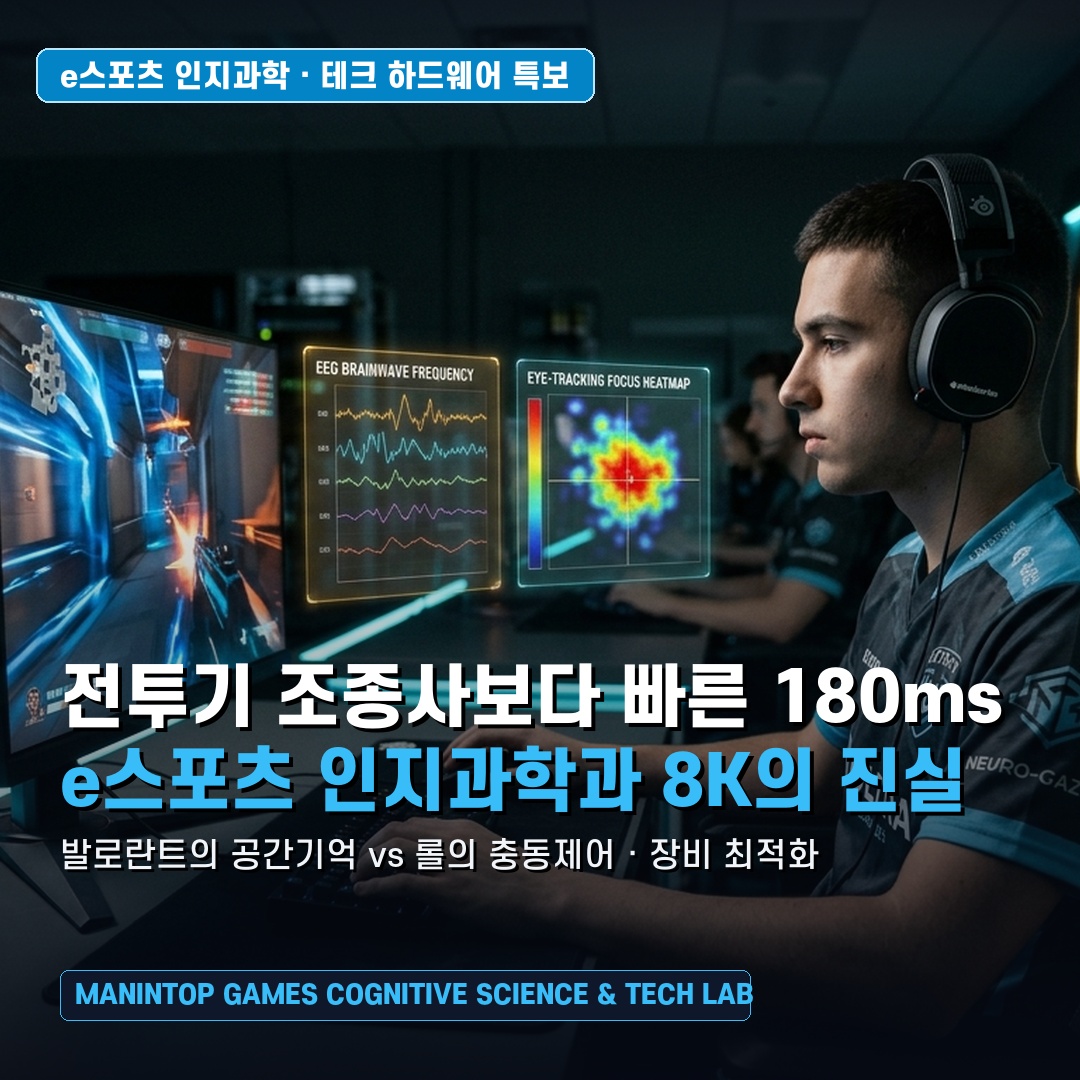
테크 사이언스 특보 · e스포츠 심층 리포트
[e스포츠 인지과학 특보] "전투기 조종사보다 빠른 180ms"… 발로란트 장인의 '공간기억' vs 롤 장인의 '충동제어', 게이밍 기어 8000Hz의 진실과 장비 최적화 방정식
작성일시: 2026년 11월 15일
취재분야: 인지신경과학 및 게이밍 하드웨어 공학
바이라인: 만인의 탑 게임즈 · 테크 사이언스 취재팀 | 수석 에디터 신승엽 (Seung Youb Ssin)
0.001초의 찰나에 승패가 엇갈리는 e스포츠는 인간의 두뇌 감각과 컴퓨터 하드웨어가 실시간으로 맞물리는 최첨단 신체·인지 융합 경기입니다. 일반 성인의 시각 반응 속도가 250ms(0.25초)인 반면, 프로게이머는 180ms(0.18초)를 기록하며 전투기 조종사나 F1 드라이버의 반응 속도를 뛰어넘습니다. 공인된 학술 연구와 하드웨어 공학 데이터를 바탕으로, 게임 장르별 두뇌 발달의 차이점부터 8000Hz 마우스의 CPU 병목 현상, 그리고 240Hz 모니터의 실질적 한계 효용까지 알기 쉽게 풀어드립니다.
1. 인간 반응 속도의 생물학적 한계: 프로게이머가 전투기 조종사를 앞서는 이유
사람이 눈으로 무언가를 보고 손가락을 움직이기까지는 '눈의 망막 감지 → 시신경 전달 → 대뇌 시각 피질 판단 → 척수 및 근육 신경 출력'이라는 복잡한 생물학적 경로를 거칩니다. 건강한 일반 성인의 평균 반응 속도는 약 250ms 수준입니다.
그러나 매일 수천 번씩 고속 시각 자극에 반응하고 미세 조준 훈련을 반복하는 프로 e스포츠 선수는 평균 180ms를 기록합니다. 이는 일반인보다 무려 70ms(28%)나 빠르며, 순간 판단력이 생명인 전투기 조종사(190ms)나 시속 300km로 달리는 F1 드라이버(200ms)의 평균치를 웃도는 수치입니다.
| 직군 및 활동 집단 |
평균 시각 반응 시간 |
일반인 대비 단축 폭 |
특징 및 신경학적 훈련 배경 |
| 프로 e스포츠 선수 |
180 ms (0.18초) |
-70 ms (28% 단축) |
매일 수천 회의 조준·클릭 반복으로 시각-운동 경로 극대화 |
| 전투기 조종사 |
190 ms |
-60 ms |
고중력(High-G) 환경 속 순간 상황 판단 및 조종간 제어 |
| F1 레이싱 드라이버 |
200 ms |
-50 ms |
초고속 주행 중 돌발 시각 신호에 대한 즉각적인 반응 |
| 일반 게이머 (경쟁전 즐김) |
200 ~ 230 ms |
-20 ~ -50 ms |
게임을 하지 않는 일반인에 비해 뚜렷한 반응 속도 우위 |
| 일반 성인 평균 |
250 ms |
기준점 (0 ms) |
생물학적 한계선(신경 전도 최저치)은 약 100~120ms |
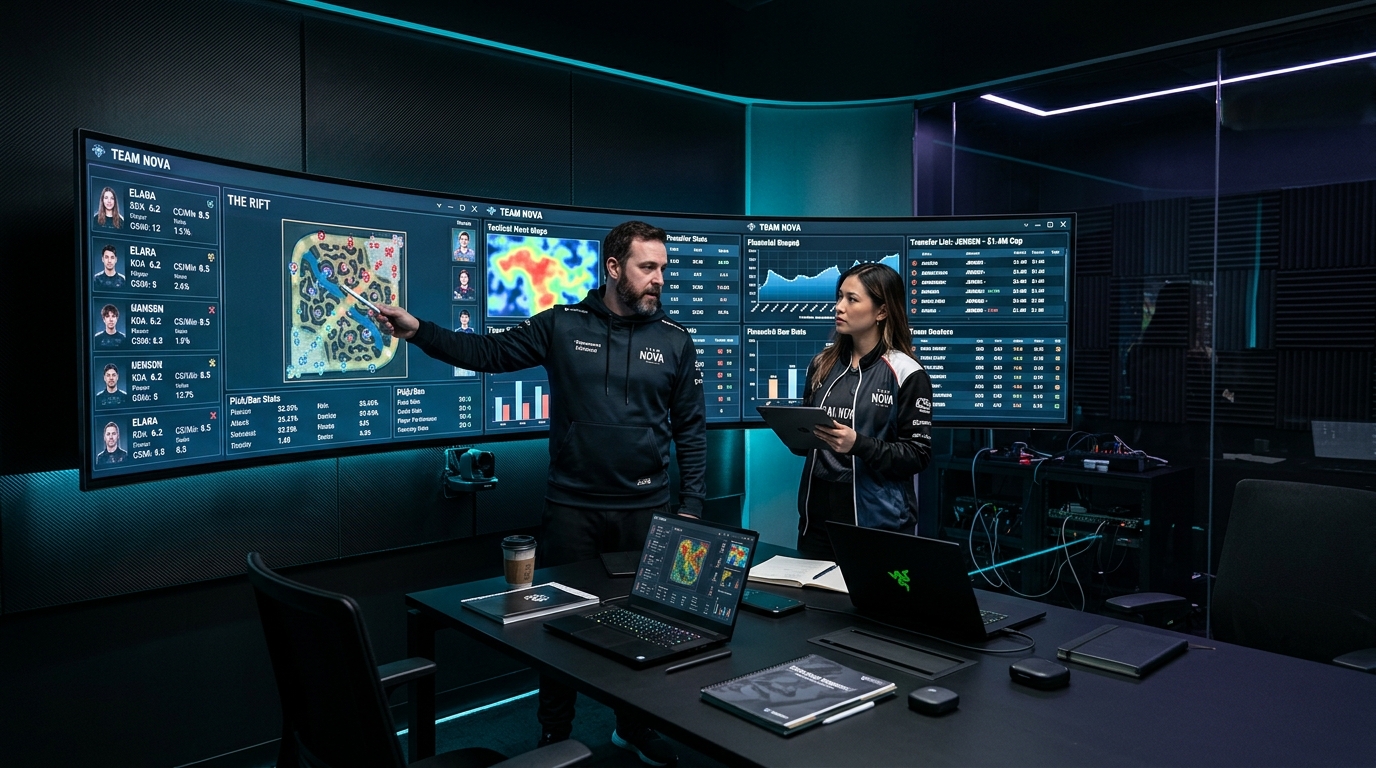
▲ FPS 플레이어의 3차원 공간기억 네트워크(좌)와 MOBA 플레이어의 충동 억제 제어 회로(우)의 뇌 기능 분화.
2. 나이 들면 반응이 느려진다? "뇌의 감지 속도는 60세까지 늙지 않는다"
흔히 e스포츠계에서는 "20대 중반만 넘어도 피지컬이 떨어진다"는 말이 정설처럼 통합니다. 실제로 단순 반응 속도는 10대(210ms)에서 30대(235ms), 50대(270ms)로 갈수록 서서히 느려집니다.
하지만 2022년 세계적 학술지 '네이처 인간 행동(Nature Human Behaviour)'에 실린 100만 명 대상의 연구 결과는 통념을 완전히 뒤집었습니다. 실험 결과, 눈으로 자극을 감지하는 순수 뇌 인지 속도는 10대부터 60세까지 약 131ms로 거의 똑같이 유지되었습니다. 나이가 들면서 반응이 느려지는 진짜 이유는 두뇌가 늙어서가 아니라, '더 신중하게 결정하려는 심리'와 '근육으로 신호를 보내는 말초 운동 신경의 지연' 때문인 것으로 밝혀졌습니다.
3. 게임 장르가 바꾸는 뇌: 발로란트의 '공간기억' vs 롤의 '충동 억제'
2026년 미국 국립과학도서관 학술지 '플로스원(PLOS ONE)'에 발표된 연구는 플레이하는 게임 장르에 따라 선수의 뇌 발달 영역이 확연히 달라진다는 사실을 밝혀냈습니다.
발로란트·카운터스트라이크 같은 1인칭 FPS 장인들은 '시공간 작업기억(Corsi Block Test)'에서 압도적인 우위를 보였습니다. 1인칭 시점에서는 뒤나 옆이 보이지 않기 때문에, 적의 발소리와 총성, 지형지물을 머릿속에 3차원 지도로 띄워놓고 끊임없이 갱신해야 하기 때문입니다.
반면 리그 오브 레전드·도타 2 같은 탑다운 MOBA 장인들은 '충동 억제 제어(Stroop Test)'에서 가장 뛰어난 능력을 나타냈습니다. 넓은 전장을 내려다보며 눈앞의 적을 당장 치고 싶은 충동을 억누르고, 팀원의 합류 타이밍과 스킬 쿨다운을 기다리는 '인내심의 브레이크'가 뇌 속에서 극도로 단련된 결과입니다.
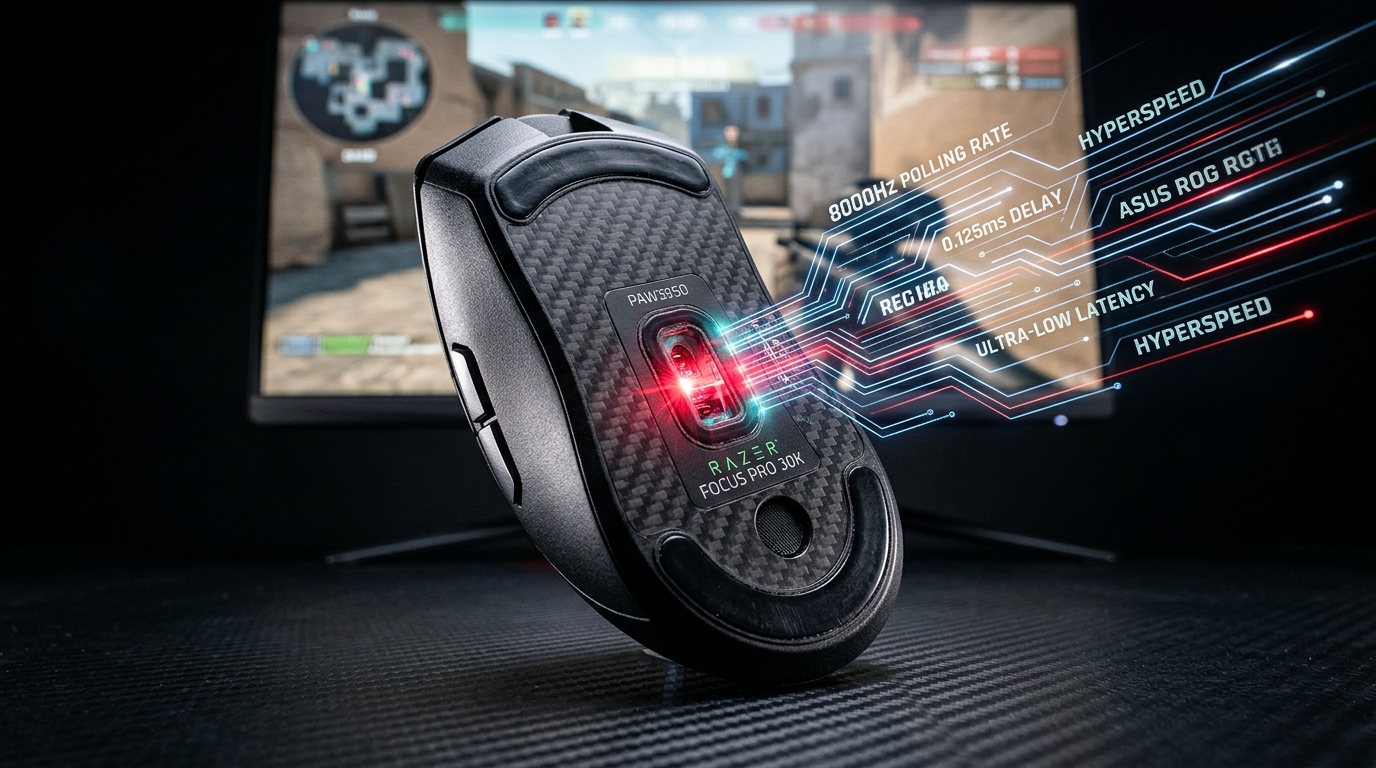
▲ 초고속 광학 센서(PAW3950)와 초당 수천 번의 신호를 전송하는 8000Hz 폴링레이트 하드웨어 아키텍처.
4. 게이밍 기어의 진실: 마우스 8000Hz의 함정과 최적 DPI 세팅법
시중에는 4000Hz(4K)를 넘어 8000Hz(8K) 폴링레이트를 자랑하는 고성능 마우스가 쏟아져 나오고 있습니다. 하지만 "수치가 높을수록 무조건 좋다"는 생각은 컴퓨터를 심각하게 느려지게 만드는 주범이 될 수 있습니다.
| 폴링레이트 (Hz) |
보고 간격 |
1000Hz 대비 단축 시간 |
배터리 수명 (300mAh 기준) |
시스템 권장 사항 |
| 1000 Hz (1K) |
1.0 ms |
기준점 (0 ms) |
50시간 이상 (1~2주 1회 충전) |
모든 일반 PC에서 완벽 구동 |
| 4000 Hz (4K) |
0.25 ms |
-0.75 ms 단축 (체감 큼) |
약 13.4시간 (1~2일 주기 충전) |
중상급 게이밍 PC의 황금 스위트스팟 |
| 8000 Hz (8K) |
0.125 ms |
-0.125 ms 추가 단축 (한계체감) |
약 6~8시간 (세션 후 즉시 충전) |
240+ FPS 방어 필수. CPU 병목 주의 |
8000Hz 마우스는 매초 8,000번씩 CPU에 연산을 멈추라는 신호(인터럽트)를 보냅니다. 최신 6코어 CPU에서도 마우스를 흔들기만 해도 CPU 점유율이 3~5%씩 치솟습니다. 게임 내 프레임이 240 FPS 이상 단단하게 유지되지 않는다면, 오히려 미세 끊김(스터터링)이 발생해 샷이 튀게 됩니다. 실질적인 프로 수준의 황금 밸런스는 4000Hz(4K)입니다.
또한 최신 센서의 30,000 DPI 스펙은 자동차 계기판의 시속 350km 표시처럼 여유 출력을 보증하는 '센서 오버헤드'일 뿐입니다. 실제 프로게이머들은 미세한 손떨림을 방지하고 정밀한 팔 에이밍을 구사하기 위해 400~800 DPI를 가장 많이 사용합니다. 윈도우 마우스 설정의 '포인터 정확도 향상'은 마우스 속도를 왜곡하므로 반드시 꺼두어야 근육 기억을 기를 수 있습니다.
💡
[과학이 입증한 e스포츠 컨디션 4대 수칙]
- 수면의 힘: 2시간만 잠을 덜 자도 반응 속도가 20~30% 느려집니다. 24시간을 새면 혈중알코올농도 0.10%(면허 취소 수준)의 만취 상태와 똑같은 뇌 상태가 됩니다.
- 카페인의 양면성: 커피 한 잔(75~200mg)은 반응 시간을 5~10% 단축시키지만, 과하면 미세 손떨림을 유발해 조준선을 흔듭니다.
- 운동의 기적: 게임 전 30분의 가벼운 유산소 운동은 뇌 혈류량을 늘려 일시적인 인지 각성 효과를 줍니다.
- 실내 공기질: 중국 LPL 리그 분석 결과, 미세먼지(PM 2.5)가 10단위 증가할 때마다 약팀의 승률이 1%씩 하락할 정도로 뇌 산소 공급이 중요합니다.
5. 에디터 총평: 찰나의 승부는 두뇌와 장비의 정밀한 조화에서 나온다
e스포츠는 단순한 '손가락 놀림'이 아니라, 0.1초의 인간 한계를 뚫어내는 두뇌의 고도화된 연산과 이를 온전히 디지털 신호로 변환해 주는 장비의 앙상블입니다.
비싼 8K 장비에만 집착하기보다, 자신의 PC 사양에 맞는 2K·4K 폴링레이트를 맞추고 충분한 수면과 올바른 에이밍 습관을 기르는 것이야말로 승률을 올리는 가장 과학적인 지름길입니다.
기사 제보 및 문의: 만인의 탑 게임즈 테크 사이언스 취재팀
저작권자: © MANINTOP GAMES. 무단 전재 및 재배포를 금합니다.
TECH SCIENCE SPECIAL · ESPORTS IN-DEPTH REPORT
[eSports Cognitive Science Report] "180ms Faster Than Fighter Pilots"… Spatial Memory in Valorant vs Impulse Control in LoL: The Reality of 8000Hz Mice and Hardware Optimization
Published: November 15, 2026
Category: Cognitive Neuroscience & Gaming Hardware Engineering
Byline: MANINTOP GAMES · Tech Science Desk | Senior Editor Seung Youb Ssin
In eSports where victories are decided in mere fractions of a millisecond, human neural processing and computer hardware interface in real time. While the average adult visual reaction time registers at 250ms, professional eSports athletes clock an astounding 180ms—surpassing even fighter pilots and Formula 1 drivers. Grounded in peer-reviewed neuroscience literature and hardware engineering empirical data, here is the complete, accessible breakdown of cognitive divergence across game genres, the CPU bottlenecks behind 8000Hz mice, and the diminishing returns of ultra-high refresh rates.
1. Biological Limits of Human Reaction Time: Why Pro Gamers Outpace Fighter Pilots
From photon detection on the retina to muscular finger actuation, visual reaction requires an intricate biological cascade. For healthy adults, simple visual reaction time averages approximately 250ms.
However, professional eSports athletes engaging in tens of thousands of high-speed visuomotor engagements average 180ms—70ms (28%) faster than non-gamers. This elite neuroplastic adaptation eclipses both fighter pilots (190ms) and F1 drivers (200ms).
| Cohort / Profession |
Mean Visual Reaction Time |
Reduction vs General Pop |
Neural Training Mechanism |
| Pro eSports Athletes |
180 ms |
-70 ms (28% faster) |
Intensive daily visual-motor coordination maximizing synaptic transmission |
| Fighter Pilots |
190 ms |
-60 ms |
High-G situational judgment and instantaneous stick adjustments |
| F1 Drivers |
200 ms |
-50 ms |
Immediate optical reflex during 300+ km/h navigation |
| Competitive Gamers |
200 ~ 230 ms |
-20 ~ -50 ms |
Regular ranked play and aim-trainer conditioning |
| General Adult Population |
250 ms |
Baseline (0 ms) |
Biological nerve conduction threshold rests at 100~120ms |
▲ Neural network divergence: 3D spatial working memory in FPS (left) vs inhibitory impulse control in MOBA (right).
2. The Myth of Cognitive Aging: "Brain Detection Speed Remains Intact Until Age 60"
Conventional eSports wisdom insists that players decline past age 24. While overall reaction times do lengthen from 210ms in teenage years to 235ms in one's 30s and 270ms in one's 50s, modern neuroscience reveals a startling nuance.
A landmark 2022 study in Nature Human Behaviour analyzing over one million participants demonstrated that pure visual detection speed remains constant at approximately 131ms from adolescence through age 60. The observed slowdown stems not from deteriorating cerebral cognition, but from increased decision-making caution and peripheral motor transmission delays.
3. How Game Genres Reshape the Brain: Spatial Working Memory vs Inhibitory Control
A 2026 PLOS ONE study by Yalçıner and Özdayı confirmed that specialized eSports genres mold distinct neural cognitive domains.
Tactical FPS players (Valorant, CS2) excelled dramatically in visuospatial working memory (Corsi Block Test, p < 0.001). Constrained by first-person perspective, players must continually reconstruct unseen 3D environments, blind spots, and audio cues in their mental topography.
Conversely, MOBA players (League of Legends, Dota 2) displayed superior inhibitory control (Stroop Test, p < 0.001). Surveying an expansive battlefield from an isometric view, MOBA masters must suppress reflexive attack impulses to coordinate team cooldowns and macro objectives—exercising exceptional prefrontal cognitive braking.
▲ Flagship optical sensor (PAW3950) transmitting microsecond tracking packets over ultra-high polling rates.
4. Gaming Gear Physics: The 8000Hz CPU Trap and Optimal DPI Calibration
While 4000Hz (4K) and 8000Hz (8K) mice flood the market, blindly selecting maximum specifications can degrade system stability and cause severe frame hitching.
| Polling Rate (Hz) |
Interval |
Latency Reduction vs 1K |
Battery Life (300mAh) |
System Recommendations |
| 1000 Hz (1K) |
1.0 ms |
Baseline (0 ms) |
50+ hours (Charge bi-weekly) |
Universal compatibility across all PCs |
| 4000 Hz (4K) |
0.25 ms |
-0.75 ms (Meaningful gain) |
~13.4 hours (Daily/bi-daily) |
The practical competitive sweet spot |
| 8000 Hz (8K) |
0.125 ms |
-0.125 ms additional (Diminishing) |
~6-8 hours (Per-session charge) |
Requires 240+ stable FPS and top-tier CPU |
An 8000Hz mouse generates 8,000 CPU interrupt requests (IRQ) every second, consuming 3~5% of total CPU utilization on mainstream 6-core processors during simple cursor movement. Without sustaining at least 240+ in-game FPS, micro-stuttering will disrupt aim consistency. For most competitive systems, 4000Hz represents the ideal sweet spot.
Moreover, modern sensor ratings reaching 30,000+ DPI provide 'sensor overhead' rather than practical operational settings. Professional players overwhelmingly prefer 400~800 DPI to eliminate hand tremors and preserve arm aiming precision. Disabling Windows 'Enhance Pointer Precision' is mandatory to build reliable muscle memory.
💡
[Scientifically Validated eSports Performance Factors]
- Sleep Integrity: A 2-hour sleep deficit slows reaction time by 20~30%. A 24-hour all-nighter impairs neural performance equivalent to a 0.10% blood alcohol concentration.
- Caffeine Calibration: 75~200mg of caffeine improves reaction times by 5~10%, but excessive intake induces fine motor tremors that degrade micro-aiming.
- Cardiovascular Exercise: 30 minutes of pre-game aerobic exercise increases cerebral blood flow, delivering acute cognitive acuity.
- Environmental Air Quality: Empirical LPL match analysis showed a 1% decline in underdog win rates per 10-unit increase in PM 2.5 particulate matter.
5. Final Verdict: Winning Lies in the Harmony of Brain and Gear
eSports excellence transcends raw reflexes. It represents the exquisite synergy between human neural computation and precision input engineering.
Rather than obsessing over extreme 8K specifications, calibrating your system to a stable 2K or 4K polling rate while maintaining healthy sleep and muscle memory is the true scientific path to victory.
Editorial Inquiries: MANINTOP GAMES Tech Science Desk
Copyright: © MANINTOP GAMES. All rights reserved.