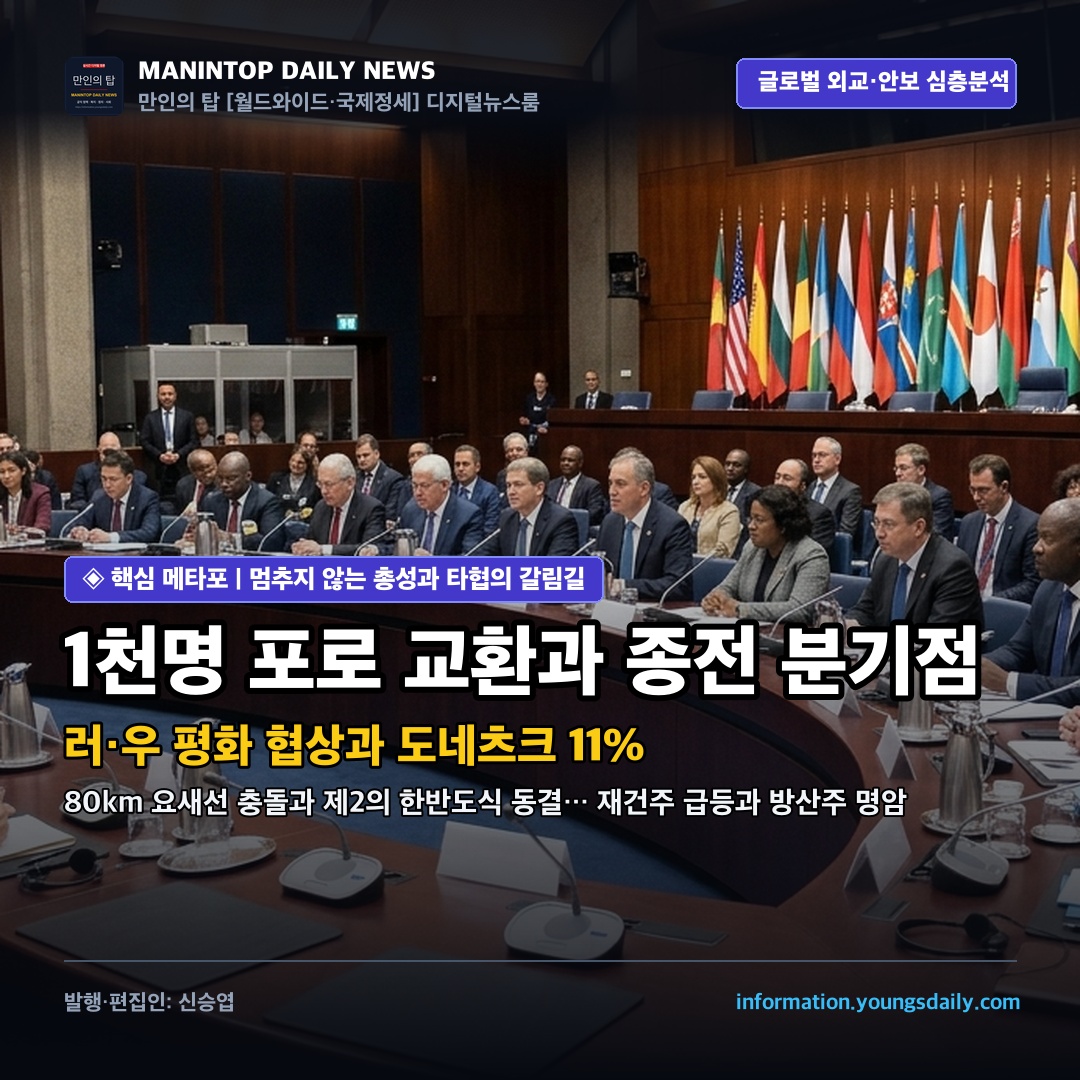
▲ 국제 외교 평화 회담이 진행되는 대표단 협상장의 모습. 러시아와 우크라이나가 개전 이후 최대 규모인 1,000여 명의 포로 교환에 합의했으나 영토와 안보 보장 쟁점에서는 팽팽히 맞서고 있다. / 국제 외교 평화 협상 보도 사진 자료
개전 4년을 넘어서며 180만 명의 사상자를 낳은 러시아-우크라이나 전쟁이 아랍에미리트(UAE) 아부다비에서 열린 3자 회담을 계기로 중대한 외교적 분기점을 맞이하고 있습니다. 미국 트럼프 행정부 특사단의 중재 아래 양국은 전쟁 발발 이후 역대 최대 규모인 1,000여 명의 포로를 상호 교환하기로 전격 합의하며 9개월 만에 해빙의 물꼬를 텄습니다. 그러나 회담장의 훈풍과 달리 전선에서는 여전히 미사일과 드론 공습이 교차하고 있으며, 돈바스의 마지막 보루인 '도네츠크 11%' 요새 지대와 비무장지대(DMZ) 설정을 둘러싼 영토 갈등은 여전히 팽팽한 평행선을 달리고 있습니다. 일각에서는 정식 평화협정 없이 전선을 얼어붙게 만드는 '제2의 한반도식' 동결된 분쟁 시나리오가 현실적 대안으로 부상하는 가운데, 국내 금융시장에서는 수백조 원 규모의 복구 특수에 기대를 건 건설기계 등 재건 수혜주가 9% 급등한 반면 방산주는 수주 둔화 우려로 8% 급락하는 등 극명한 명암이 엇갈리고 있습니다. 전쟁의 종결을 가를 핵심 외교 쟁점과 참혹한 전황 데이터, 그리고 글로벌 경제와 국내 산업계에 미칠 파급 효과를 알기 쉽고 생생하게 긴급 해부합니다.
아부다비 3자 회담과 역대 최대 포로 교환… 회담장 훈풍 뒤에 숨은 전선의 포화
전쟁의 포화 속에서 마침내 작은 외교적 돌파구가 열렸습니다. 2026년 11월, 미국 트럼프 행정부의 재러드 쿠슈너 특사와 스티브 위트코프 특사가 이끄는 중재단이 아랍에미리트(UAE) 아부다비에서 러시아와 우크라이나 대표단을 한자리에 불러 모았습니다. 약 9개월간 완전히 닫혀 있던 대화의 문이 다시 열린 이번 회담에서, 양국은 사상 최대 규모인 1,000명 이상의 전쟁 포로를 교환하기로 전격 합의했습니다. 실무 확인을 거쳐 향후 2~3주 안에 집행될 이번 조치는 오랜 고통에 갇혀 있던 수많은 군인과 가족들에게 가장 값진 인도주의적 선물이 될 것으로 기대를 모읍니다.
우크라이나 협상단에 참여한 다비드 아라하미야 의원은 "새해가 밝기 전에 전쟁을 멈출 수 있는 강력한 외교적 동력을 확보했다"고 평가했고, 러시아의 세르게이 랴브코프 외무차관 역시 "추가 논의를 이어갈 실질적인 토대가 마련되었다"고 화답했습니다. 미국 특사단은 모스크바에서 블라디미르 푸틴 러시아 대통령을 직접 만난 직후, 아일랜드 더블린으로 날아가 볼로디미르 젤렌스키 우크라이나 대통령과 연쇄 담판을 벌이는 긴박한 셔틀 외교를 전개했습니다.
그러나 화려한 외교 무대의 악수 뒤편에는 잔혹한 모순이 도사리고 있었습니다. 협상이 진행되던 바로 그 시각에도 러시아군은 우크라이나 중부 4개 지역의 대형 변전소 6곳을 미사일로 정밀 폭격해 도시 전력망을 마비시켰습니다. 우크라이나의 자폭 드론 잔해 역시 벨라루스 접경 러시아 스몰렌스크주의 아파트에 떨어져 민간인 2명이 목숨을 잃었습니다. 대화 테이블에서는 평화를 논하면서도 전선에서는 상대방의 숨통을 끊으려는 이중적 적대가 팽팽히 맞서고 있습니다.
80km 요새선과 '도네츠크 11%'의 충돌… 무조건 반환 vs 결사항전 평행선
포로 교환이라는 인도주의적 합의에도 불구하고, 이번 회담이 곧바로 종전 선언으로 이어지지 못하는 결정적 걸림돌은 바로 동부 돈바스(도네츠크·루한스크)의 영토 문제입니다. 현재 러시아군은 루한스크주의 약 99%와 도네츠크주의 약 80~89%를 장악하며 우크라이나 전체 영토의 19.5%를 점령하고 있습니다. 반면 우크라이나는 도네츠크주 행정구역의 마지막 11%를 목숨 걸고 지켜내고 있습니다.
이 '도네츠크 11%'는 단순한 황무지가 아닙니다. 길이 약 80km, 폭 약 65km에 달하는 거대한 요새화 지대로, 포크로우스크, 코스탼티니우카, 슬로뱐스크, 미르노흐라드 등 우크라이나군의 핵심 병참 거점과 단단한 방어 진지가 촘촘히 구축되어 있습니다. 우크라이나 군사 전략가들은 이곳을 잃으면 자연적인 방어 장벽이 완전히 무너져, 러시아 기갑부대가 드니프로강 유역과 중부 평원, 나아가 수도 키이우 코앞까지 거침없이 내달릴 교두보를 내주게 된다고 경고합니다.
양국 정상의 입장은 타협 불가능한 평행선입니다. 블라디미르 푸틴 대통령과 메딘스키 수석대표는 "우크라이나가 싸우지 않고 도네츠크 11% 요새에서 완전히 철수해 영토를 넘겨주는 것만이 유일한 종전 조건"이라고 못 박았습니다. 반면 볼로디미르 젤렌스키 대통령은 "침략자에게 피로 지켜낸 영토를 거저 내주는 것은 돌이킬 수 없는 역사적 실수"라며 영토 양도를 일축했습니다. 현재 전선을 기준으로 전투를 멈추는 '전선 동결'과 강력한 안전보장만이 수용 가능하다는 입장입니다.
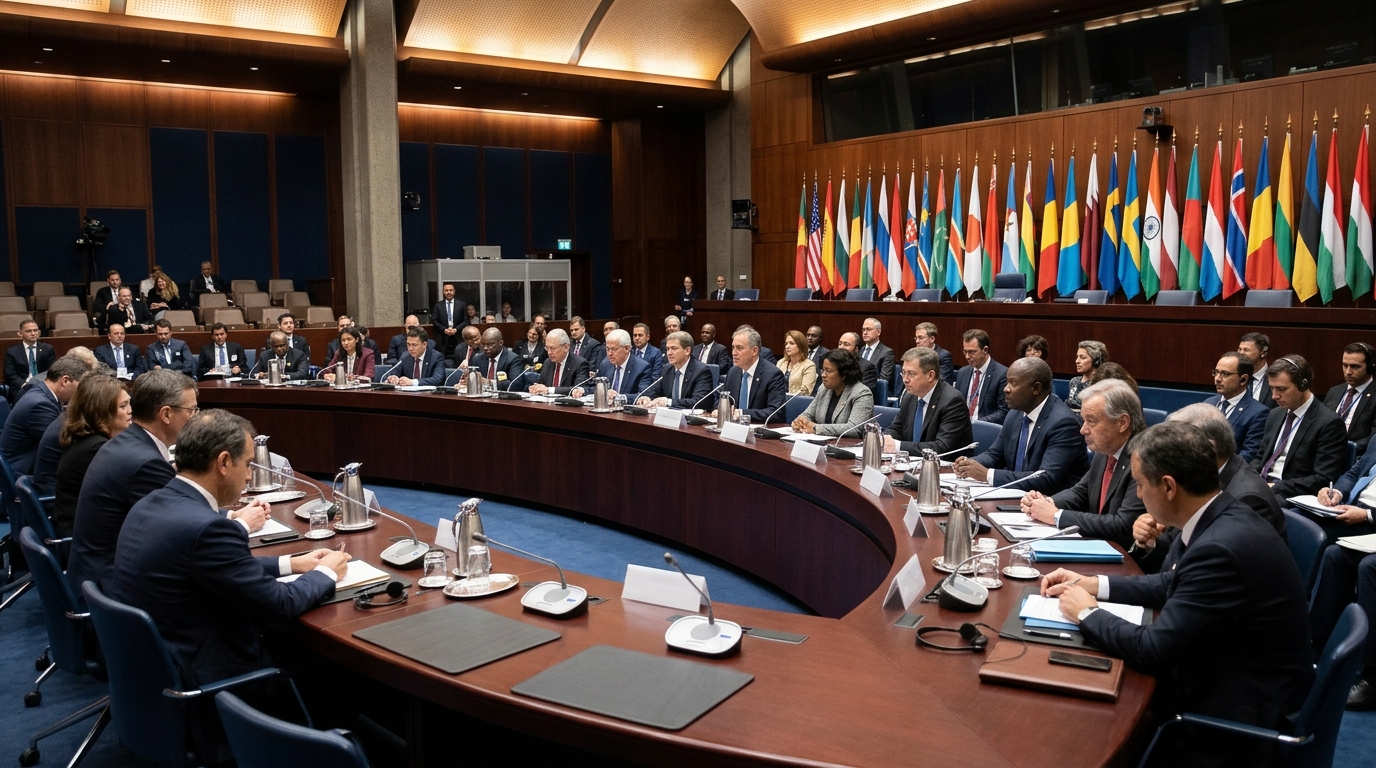
▲ 다자 외교 정상회담장에 정렬된 각국 대표단 좌석과 외교 깃발. 러시아의 유럽 배제 전략과 미국의 지원 축소 기조 속에 전후 유럽 안보 체제의 주도권 다툼이 치열해지고 있다. / 국제 외교 안보 보도 사진 자료
비무장지대(DMZ)와 절충안의 덫… 평화유지군과 '이행 순서'를 둘러싼 외교전
파국을 막기 위해 미국 중재팀은 분쟁 지역 일부에 양국 정규군 주둔을 금지하는 '비무장지대(DMZ)' 완충 구역 설치를 대안으로 제시했습니다. 하지만 악마는 디테일에 있었습니다. 우크라이나는 이 완충지대에 신뢰할 수 있는 서방 주도의 국제 평화유지군이 상주해야 한다고 요구하는 반면, 러시아 측은 자국 경찰이나 국가방위군의 치안 순찰권이 보장되어야만 수용할 수 있다고 맞서며 첨예한 대립을 빚고 있습니다.
여기에 '조치 이행의 순서(시퀀싱)'를 둘러싼 신경전도 치열합니다. 군대 철수, 비무장지대 설치, 국제사회의 안전보장 문서화, 전후 재건 기금 조성, 우크라이나 총선 중 무엇을 가장 먼저 실행할 것인가를 두고 한 치의 양보도 없습니다. 젤렌스키 대통령은 확실한 법적 구속력을 지닌 군사적 안전보장이 선행되지 않는 한 병력 철수나 선거 실시는 절대 불가능하다는 원칙을 확고히 하고 있습니다.
더욱이 러시아는 유럽연합(EU) 주요국을 대화 테이블에서 철저히 따돌린 채 오직 미국과의 직접 담판만을 고집하는 '유럽 배제' 전술을 구사하고 있습니다. 미국 트럼프 행정부 역시 재정 부담 완화를 위해 대우크라이나 무기 지원을 축소하며 전후 비용을 유럽에 떠넘기려 하고 있어, 대서양 안보 동맹 내부의 균열과 불협화음도 갈수록 깊어지고 있습니다.
분석 영역
핵심 협상 쟁점 및 현황
군사·지정학적 파급 효과
글로벌 경제 및 시장 영향
도네츠크 11% 영토권
길이 80km 폭 65km 요새선, 러시아 전역 인도 요구 vs 우크라 전선 동결 고수
철수 시 중서부 평원 방어선 붕괴, 러시아 추가 진격 교두보 헌납 위험
영토 협상 장기화로 종전 시점 불투명, 원자재 시장 변동성 지속
안보 보장 및 DMZ
우크라 나토 가입 배제 대신 다자 조약 집단 보장 타진, DMZ 순찰권 대립
미국의 직접 지원 축소 및 유럽으로 안보 부담 전가, 서방 동맹 균열
유럽 재건 기금 조성 논의 지연, 안보 프리미엄 유지로 투자 위축
군사 소모전 현황
개전 4년 돌파, 180만 사상자(양국 전사 46만), 일평균 70m 진지전 교착
양국 징집 임계점 도달(탈영 20만, 상시 징집), 후방 정유소·전력망 폭격
러시아 석유 정제 능력 30% 타격, 우크라이나 난방·전력 마비
금융 및 증시 영향
종전 기대감에 따른 테마 순환매, 원자재 가격 하향 안정화 기대
동유럽 긴급 무기 수요 정체 우려로 방산주 급락(현대로템 -8%)
수백조 인프라 복구 기대감에 건설기계·모듈러 재건주 급등(대동기어 +9%)
'제2의 한반도식' 동결된 분쟁 가나… 180만 사상자를 낳은 4년 소모전의 비극
최근 볼로디미르 젤렌스키 대통령이 미국 언론과의 인터뷰에서 "현재 전선을 기준으로 전쟁을 멈추고 동결해야 한다"고 언급하면서, 국제정치학계는 이번 전쟁의 결말이 '동결된 분쟁(Frozen Conflict)'으로 귀결될 가능성에 무게를 싣고 있습니다. 이는 정식 평화조약 없이 총성만 멎은 채 국경선과 주권 갈등이 수십 년간 미해결 상태로 굳어지는 잠정적 정전 체제를 뜻합니다.
이는 1953년 휴전 협정 이후 70년 넘게 비무장지대(DMZ)를 사이에 두고 대치하고 있는 한반도 모델과 매우 흡사합니다. 2022년 2월 러시아의 전격 침공으로 시작된 이번 전쟁은 어느덧 만 4년을 넘어섰습니다. 이는 제2차 세계대전 당시 소련이 나치 독일과 싸웠던 '대조국전쟁' 기간을 넘어서는 지독한 장기 소모전입니다.
그 대가는 너무나 참혹했습니다. 군사 싱크탱크들의 공인 집계에 따르면 양국 군 사상자는 무려 180만 명(러시아 120만, 우크라이나 60만)에 달하며, 전사자만 46만 5,000명을 넘어섰습니다. 제2차 대전 이후 유럽 대륙에서 일어난 최대의 인명 참사입니다. 그럼에도 불구하고 참호와 드론이 뒤덮은 돈바스 전선에서 러시아군의 하루 평균 전진 거리는 고작 70미터에 불과했습니다. 인구의 한계에 부딪힌 우크라이나는 20만 명의 탈영과 200만 명의 병역 기피로 병력 조달에 비상이 걸렸고, 러시아 역시 상시 징집 체제로 법을 바꾸며 국가적 한계에 직면해 있습니다.
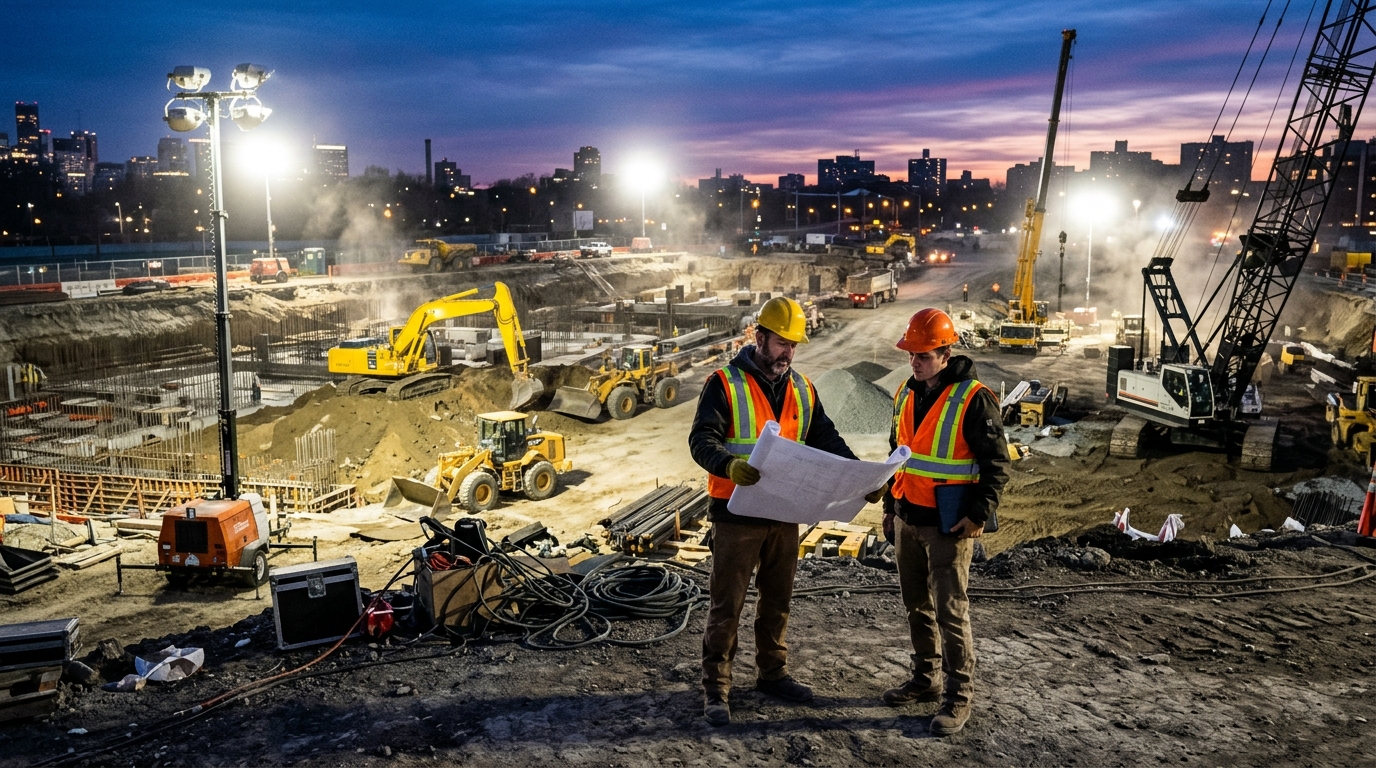
▲ 황혼녘 대규모 토목 기반 공사와 인프라 재건 작업이 진행 중인 건설 현장 전경. 종전 기대감에 수백조 원 규모의 전후 인프라 복구 펀드 집행 가능성이 부각되고 있다. / 글로벌 도시 인프라 재건 보도 사진 자료
재건주 9% 급등 vs 방산주 급락의 명암… 글로벌 매크로와 국내 산업계 손익계산서
평화 협상의 작은 진전 소식은 글로벌 거시경제와 국내 주식시장에 즉각적인 지각변동을 일으켰습니다. 국제 금융시장에서는 곡물과 원유 등 원자재 가격이 빠르게 안정세를 보이며 글로벌 인플레이션 압력이 둔화되고, 미국 연방준비제도(Fed)의 금리 인하 속도가 빨라질 것이라는 장밋빛 안도감이 확산되었습니다. 원자재를 전량 수입해 가공 수출하는 한국 경제에도 무역수지 개선이라는 큰 호재로 작용할 수 있습니다.
그러나 국내 증시의 판도는 극단적인 양극화로 갈라졌습니다. 도로, 교량, 전력망, 주택 등 수백조 원에 달하는 전후 복구 사업 기대감이 번지면서 우크라이나 재건 수혜주가 일제히 폭등했습니다. 건설기계 부품사인 대동기어가 하루 만에 9.12% 급등했고, HD현대인프라코어(+7.22%), HD현대건설기계(+6.64%), 에스와이스틸텍(+6.19%), SG(+5.63%) 등이 동반 강세를 기록했습니다. 토목 장비와 모듈러 건축 자재 분야가 1차 수혜군으로 주목받은 것입니다.
반면 그동안 전쟁 특수를 누려온 국내 방위산업 대표주들은 직격탄을 맞았습니다. 동유럽 국가들의 긴급 무기 발주 모멘텀이 둔화될 것이라는 우려 속에 현대로템(-8.32%), LIG넥스원(-6.72%), 한화시스템(-6.38%), 한화에어로스페이스(-5.87%), KAI(-5.53%) 등 주요 방산주가 일제히 급락했습니다. 증권가 전문가들은 "종전 뉴스는 변동성이 극심한 만큼 뜬구름 잡는 테마주를 피하고, 글로벌 공급망에서 실제 납품 실적과 탄탄한 자산 가치를 갖춘 우량주를 선별해 긴 호흡으로 대응해야 한다"고 조언합니다.
만인의 탑 데일리 뉴스룸 | 월드와이드 특별취재팀
발행·편집인: 신승엽 | 만인의 탑 데스크 (information.youngsdaily.com)
본 심층 분석 기사는 외교부 및 백악관 특사단 브리핑, 미국 전쟁연구소(ISW) 지형 데이터, 전략국제문제연구소(CSIS) 전황 통계, 한국거래소(KRX) 공인 시장 자료를 정밀 교차 검증하여 작성되었습니다.
WORLDWIDE SPECIAL INVESTIGATION | Global Diplomacy & Conflict Resolution
Official Editorial Dispatch | Manintop World Desk
[EXCLUSIVE] 1,000 POW Swap and the Turning Point: Russia-Ukraine Talks and the 'Donetsk 11%'
▲ Official diplomatic delegations seated at an international peace conference table. While Russia and Ukraine finalized a landmark agreement to exchange over 1,000 prisoners of war, core territorial and security guarantees remain contested. / International Diplomatic Peace Conference Press Photo Archive
Surpassing four agonizing years of conflict that generated over 1.8 million military casualties, the Russia-Ukraine war has reached a critical diplomatic crossroads following high-stakes trilateral talks convened in Abu Dhabi. Mediated by United States special envoys, the negotiations secured a landmark humanitarian breakthrough with both sides agreeing to exchange more than 1,000 prisoners of war—the largest single exchange since the outbreak of hostilities. Yet behind this diplomatic overture, devastating missile strikes on energy grids continue unabated, while irreconcilable territorial disputes over the vital 'Donetsk 11%' fortress corridor and proposed demilitarized buffer zones remain deadlocked. As international strategists increasingly contemplate an armistice mirroring the Korean Peninsula's enduring 'frozen conflict' model, global financial markets are reacting with fierce divergence: South Korean reconstruction and heavy machinery equities surged by up to 9% on anticipated multi-hundred-billion-dollar restoration funds, while domestic defense manufacturers plunged over 8% on fears of decelerating emergency weapons procurement. This in-depth investigative report deconstructs the operational parameters of the negotiations, the brutal mathematics of attrition along the frontlines, and the macro-industrial consequences transforming global commerce.
The Abu Dhabi Trilateral Talks and Record POW Swap: Fragile Diplomacy Amid Battlefield Fire
Amid four grinding years of total warfare, a modest diplomatic aperture has finally materialized. In November 2026, United States special envoys Jared Kushner and Steve Witkoff brought Ukrainian and Russian delegations together in Abu Dhabi, United Arab Emirates. Convening after roughly nine months of frozen communication channels, the two-day summit yielded an unprecedented humanitarian breakthrough: an agreement to conduct the largest bilateral prisoner exchange of the war, returning more than 1,000 captive servicemen to their respective homelands within the coming weeks.
David Arakhamia, a senior Ukrainian parliamentary delegate, remarked that the negotiations established meaningful momentum toward crafting broader resolutions before the arrival of the new year. Concurrently, Russian Deputy Foreign Minister Sergei Ryabkov observed that a tangible groundwork for subsequent interactions had been established. Following the Abu Dhabi discussions, the American mediation team conducted intensive shuttle diplomacy, engaging President Vladimir Putin in Moscow before traveling to Dublin to meet Ukrainian President Volodymyr Zelenskyy.
However, profound contradictions persisted beyond the formal conference halls. Even as envoys discussed terms in the Gulf, Russian missile strikes targeted six primary electrical distribution substations across four central Ukrainian regions, plunging municipal power grids into darkness. Simultaneously, debris from intercepted Ukrainian attack drones struck residential buildings in Russia's western Smolensk region, resulting in civilian fatalities. The juxtaposition underscores that diplomatic overtures coexist with an unyielding campaign of mutual attrition.
The 80km Fortress Axis and the 'Donetsk 11%' Impasse: Unconditional Yield vs Inviolable Defense
Despite the breakthrough on prisoner releases, transition toward a durable armistice remains blocked by deep disagreements over eastern Ukraine's Donbas territory. Russian forces presently occupy roughly 99% of Luhansk and between 80% and 89% of Donetsk, controlling approximately 19.5% of Ukraine's sovereign expanse. Conversely, Ukrainian defenders maintain control over the final 11% of the Donetsk administrative province, transforming this sector into a vital bastion.
This 11% pocket constitutes an extensive fortified complex spanning approximately 80 kilometers in length and 65 kilometers in depth. Incorporating strategic logistics centers such as Pokrovsk, Kostiantynivka, Sloviansk, and Myrnohrad, it functions as Ukraine's primary defensive bulwark. Military planners emphasize that abandoning this fortified belt would eliminate critical topographical obstacles, providing Russian armored echelons an unobstructed corridor into the Dnipro River basin, the central industrial plains, and the approaches toward Kyiv.
The official positions of both capitals remain diametrically opposed. President Vladimir Putin and chief negotiator Vladimir Medinsky maintain that Ukraine's complete, unresisted withdrawal from the remaining Donetsk perimeter represents a mandatory prerequisite for terminating hostilities. In stark contrast, President Volodymyr Zelenskyy has repeatedly rejected territorial concessions, warning that yielding sovereign terrain rewards aggression and permanently weakens national survival. Kyiv insists that any cessation must preserve existing lines of contact combined with ironclad security commitments.
▲ The formal diplomatic assembly hall set for multilateral negotiations. Geopolitical debates intensify over post-war European security architecture amid shifting trans-Atlantic burdens. / International Diplomatic Security Press Photo Archive
Demilitarized Zones and Compromise Traps: The Diplomatic Battle over Peacekeepers and Sequencing
To bridge the territorial impasse, Western mediators floated proposals to establish an expansive Demilitarized Zone (DMZ) across disputed contact lines where regular armed forces would be prohibited. However, structural details sparked immediate disputes. While Kyiv demands the deployment of armed, Western-led international peacekeeping contingents to police any buffer zone, Moscow asserts that domestic Russian police or national guard detachments must retain internal security jurisdiction.
A secondary procedural battle centers on the sequencing of obligations. Negotiators continue to clash over whether troop pullbacks, DMZ establishment, formal security pact ratifications, reconstruction financing, or Ukrainian parliamentary elections should take precedence. President Zelenskyy has insisted that legally binding, multilateral security commitments mirroring mutual defense guarantees must precede any force reallocations or civic polling.
Compounding these tensions is Moscow's deliberate strategy to exclude European Union powers, insisting on direct bilateral engagement with Washington. Meanwhile, American fiscal pressures and shifting defense priorities have accelerated desires to curtail direct aid, transferring security burdens onto European allies. This dynamic has fostered friction across the trans-Atlantic alliance, prompting regional leaders to seek independent avenues of influence.
Analytical Domain
Core Negotiating Agendas & Status
Military & Geopolitical Repercussions
Global Macro & Market Impacts
Donetsk 11% Territory
80km by 65km fortress corridor: Russia demands total handover vs Ukraine insists on frontline freeze
Retreat compromises natural defensive lines, exposing central plains to future assaults
NATO accession suspended for multilateral guarantees; dispute over DMZ policing rights
US financial retrenchment shifts burdens to European capitals, straining Western solidarity
Delays in multinational reconstruction fund mobilization, risk premiums weigh on investment
Military Attrition Metrics
Four years surpassed; 1.8M total casualties (465,000 dead); 70m daily advances in trenches
Conscription reaches breaking point (200,000 desertions); strikes on energy and refineries
Russian refining capacity slashed by 30%; severe winter energy blackouts in Ukrainian cities
Financial & Market Shifts
Cyclical theme rotation on ceasefire prospects; anticipations of lower commodity prices
Defense equities drop sharply on slowing emergency procurement momentum (Hyundai Rotem -8%)
Reconstruction names surge on multi-hundred-billion-dollar infrastructure expectations (Daedong Gear +9%)
Toward a Korean-Style Frozen Conflict: The Human Toll of a Four-Year War of Attrition
Following President Zelenskyy's acknowledgment that hostilities must be halted based on current contact lines, strategic analysts increasingly predict that the war will transition into a Frozen Conflict. Defined as an enduring armistice where kinetic combat ceases but underlying sovereignty and border demarcations remain unresolved, this scenario mirrors historical precedents like Moldova's Transnistria, Georgia's breakaway regions, and most prominently, the Korean Peninsula's 1953 armistice arrangement.
Now exceeding four complete years, the operational duration has surpassed the Soviet Union's Great Patriotic War against Nazi Germany. Despite the immense mobilization of industrial materiel, the static reality of trench networks, extensive minefields, and persistent drone surveillance has slowed daily ground advances to an average of just 70 meters across the Donbas sector. Over an entire year of offensive operations, net territorial changes amounted to less than a single percentage point.
The human cost has reached devastating proportions. Cross-validated estimates from defense research centers place cumulative casualties at approximately 1.8 million across both forces, including more than 465,000 confirmed or estimated dead. It stands as the deadliest military catastrophe on European soil since 1945. With Ukraine grappling with severe manpower shortfalls, draft evasion, and desertions, alongside Russia shifting to continuous year-round mobilization, both combatant nations have strained their demographic resilience to the threshold of exhaustion.
▲ Heavy industrial construction equipment and civil engineers operating on urban infrastructure groundwork at dusk. Anticipation of ceasefire agreements has spotlighted massive multinational reconstruction initiatives. / Global Infrastructure Reconstruction Press Photo Archive
Reconstruction Rallies vs Defense Retractions: Global Macroeconomic Shifts and Industrial Stakes
The prospect of diplomatic de-escalation reverberated across international financial markets. Macroeconomic forecasters anticipate that a formal cessation of hostilities will suppress global inflationary pressures by unblocking agricultural exports and stabilizing international petroleum corridors. For export-reliant Asian manufacturing economies, lower commodity import bills and revived European consumer demand present substantial macroeconomic relief.
However, equity markets exhibited intense sector polarization. Anticipation of international post-war recovery programs—estimated to exceed several hundred billion dollars—sparked immediate rallies in civil engineering and construction equipment shares. South Korean machinery component maker Daedong Gear soared 9.12%, while heavy equipment giants HD Hyundai Infracore (+7.22%) and HD Hyundai Construction Equipment (+6.64%) posted robust gains, accompanied by modular building suppliers like SY Steeltex (+6.19%).
Conversely, defense manufacturers that benefited from extraordinary European restocking orders faced sharp profit-taking. Equities including Hyundai Rotem (-8.32%), LIG Nex1 (-6.72%), Hanwha Systems (-6.38%), Hanwha Aerospace (-5.87%), and Korea Aerospace Industries (-5.53%) retreated significantly as investors reassessed the pace of emergency armaments procurement. Financial analysts caution that headline-driven volatility necessitates disciplined selectivity, focusing on established corporate balance sheets possessing verified international supply contracts.
MANINTOP DAILY NEWS ROOM | Worldwide Special Investigation Team
Publisher & Editor-in-Chief: Seung Youb Ssin
This investigative report was compiled through rigorous cross-examination of diplomatic briefing transcripts, Institute for the Study of War topological archives, CSIS military casualties data, and verified financial market telemetry.
PRO SOURCING ENGINE만인의 탑 빅데이터 솔루션
★ 가입 시 600 크레딧(120회) 전원 무료
내가 찾는 상품 키워드, 지금 얼마나 검색될까?
네이버 월간 검색량 + 구글 볼륨 + 아이템스카우트 실시간 상품수와 경쟁강도 배지를 0.5초 만에 무료로 확인하세요.
MANINTOP NEWSLETTER
📬 만인의 탑 뉴스레터 무료 구독
오늘 보신 정책·시사 뉴스가 유익하셨나요? 매일 엄선되는 알짜 복지 혜택과 국회 실시간 속보를 이메일로 가장 먼저 받아보세요. (평생 무료)
1월이 시작되면 감기는 이미 우리 곁에 와 있습니다. 2월, 3월, 4월까지 이어지는 추위와 건조함은 코와 목을 가장 먼저 공격합니다. 아침에 일어나자마자 막혀 있는 코. 계속 흐르는 콧물. 괜히 칼칼해지는 목. 이 증상은 “시작”일 뿐입니다. 한 번 무너지면 일주일, 길면 한 달까지 끌고 갑니다. 약을 먹으면 잠깐 괜찮아집니다. 하지만 며칠 뒤 또 반복됩니다. 왜일까요? 감기는 ‘치료’의 문제가 아니라 ‘관리’의 문제이기 때문입니다. 대부분은 감기가 오고 나서 약을 찾습니다. 하지만 진짜 중요한 건 감기가 오기 전에 코와 목을 지키는 것입니다. 건조한 실내 공기, 차가운 바깥 공기, 눈에 보이지 않는 세균. 코와 목은 매일 공격받고 있습니다. 지긋지긋하죠! 그런데도 우리는 아무 준비 없이 버티고 있습니다. 이번 겨울도 그렇게 보낼 건가요? 사실 방법은 어렵지 않습니다. 코를 깨끗하게 관리하고, 목을 따뜻하게 보호하고, 점막을 촉촉하게 유지하고, 기관지를 미리 관리하고, 외부 공기를 차단하는 것. 이 다섯 가지만 꾸준히 해도 감기약 없이 겨울을 보내는 것이 충분히 가능합니다. 🔥 이제부터 그 방법을 하나씩 살펴보겠습니다. 🔥 1. 코와 목을 먼저 관리해야 하는 과학적 이유 감기의 대부분은 코 점막에서 시작됩니다. 국제 학술지 Nature Reviews Microbiology 와 Journal of Allergy and Clinical Immunology 에 실린 호흡기 감염 관련 연구들에서는, 감기 바이러스가 비강 상피세포에 먼저 부착해 증식한다는 점을 설명하고 ...
리모델링사업이 진행 중인 아파트를 매매할 때 “계약금 10%를 언제까지 내야 하느냐”는 질문이 특히 많이 나옵니다. 이주공고(이주 안내)가 7~11월쯤이라고 들으면, 그 시점에 맞춰 계약금도 움직일 것 같아서 더 헷갈리기 쉽습니다. 하지만 실제 납부기한은 ‘이주공고가 언제냐’만으로 자동 결정되지 않는 경우가 많습니다. 1) 계약금 10% 납부기한: 결국 ‘문서에 적힌 일정’이 기준 계약금 10%를 언제까지 납부해야 하는지는, 내가 서명하는 매매계약서(특약 포함) 와 사업주체/조합이 제시한 공고·안내문 에 적힌 납부 일정이 기준이 됩니다. 실제 공고문에서는 분양대금 납부의 큰 틀(계약금→중도금→잔금)을 먼저 안내하고, 상세 일정은 별도 표나 유의사항으로 제시하는 방식이 흔합니다. 또, 계약서 문구에 따라 지급 시점이 조건부로 설정될 수도 있습니다. 예를 들어 한 사례 소개 자료에서는 용역계약서에 잔금(10%) 지급시기가 “사업승인 후”로 기재되어 있었다는 점이 언급됩니다. 이런 식으로 ‘사업 단계’와 지급을 연동하는 문구가 들어가면, 질문의 답은 계약서 문구를 확인해야만 확정됩니다. 관련 내용은 링크 에서 문구 사례를 확인할 수 있습니다. 2) 입주자모집공고에서 확인되는 ‘납부 순서’와 잔금 마감 시점 공고문에 적힌 문구를 보면, 납부 순서와 잔금 마감에 대한 기준이 비교적 명확하게 제시되는 경우가 있습니다. 예를 들어 한 입주자모집공고에는 “분양금액(주택가격)은 계약금, 중도금, 잔금의 순서로 납부”하며 “잔금은 입주(열쇠 수령일) 전에 완납”해야 한다고 안내되어 있습니다. (문구 확인: 링크 ) 이 문구가 의미하는 바는 최소 2가지입니다. 분양/공급 형태의 문서에서는 ‘계약금→중도금→잔금’ 흐름이 공식적으로 안내될 수 있습니다. 잔금은 “입주(열쇠 수령)” 이전에 완납해야 한다는 마감 기준이 문서에 적혀 있을 수 있습니다. 다만, 위 공고문 문구는 잔금 마감에 대한 기준을 보여주지만, 계약금 10%의...
윤석열 전 대통령 탄핵 인용 소식을 접하면, 가장 궁금한 지점은 ‘헌재가 정확히 무엇을 위헌·위법으로 봤는가’입니다. 또한 탄핵과 별개로 진행되는 형사재판(내란 우두머리 혐의 등)이 어디까지 왔는지도 함께 정리할 필요가 있습니다. 아래 내용은 제공된 기사/게시물 스니펫과 링크에서 확인되는 범위만 모아, 일반인이 흐름을 이해하기 쉽게 정리한 것입니다. 1) 탄핵 인용 관련: 스니펫에서 확인되는 ‘판단의 골격’ 제공된 근거 중 조국혁신당 사이트에는 헌법재판소가 윤석열 탄핵 심판에서 “피청구인의 위헌·위법행위는 국민 신임 …”이라는 취지로 판단했다는 문장이 인용돼 있습니다( 링크 ). 이 인용문만 놓고 보면, ‘위헌·위법행위’가 있었는지와 그로 인해 ‘국민의 신임’이 어떻게 평가됐는지가 핵심 축으로 소개됩니다. 다만 질문에서 요청하신 세부 항목, 즉 비상계엄 선포 자체를 문제 삼은 구체적 이유, 계엄 이후 조치(포고령, 국회 통제 등)의 어떤 지점이 헌법 위반인지, 국회의 권한행사 방해 및 정치활동 제약을 어떤 논리로 판단했는지 등은, 이번에 제공된 근거의 제목/스니펫만으로는 조항·사실관계·판단 구조가 그대로 제시돼 있지 않습니다. 따라서 이 글에서는 ‘헌재가 무엇을 문제 삼았다’는 세부 리스트를 단정적으로 재구성하기보다, 현재 확인 가능한 문구 수준의 요약(위헌·위법행위 → 국민 신임의 문제로 평가)까지만 적습니다. 만약 헌재 결정문 전문(주문 및 이유)이 추가로 확인되면, 그때는 문장 단위로 ‘어떤 행위’와 ‘어떤 헌법 원리/조항’이 연결되는지(예: 권력분립, 국회의 권한, 정치적 기본권 등) 구조화해 정리하는 것이 가장 정확합니다. 2) 형사 절차(내란 혐의) 관련: 체포영장과 1심 선고 언급 탄핵 심판과 별도로, 12·3 비상계엄 사태로 내란 혐의를 받는 윤석열 대통령에 대해 2024년 12월 31일 체포 영장이 발부됐다는 BBC 보도가 있습니다( 링크 ). 해당 보도는 ‘현직 대통령’에 대한 체포영장 발부라는 점을 함께 언급합니다. 또...