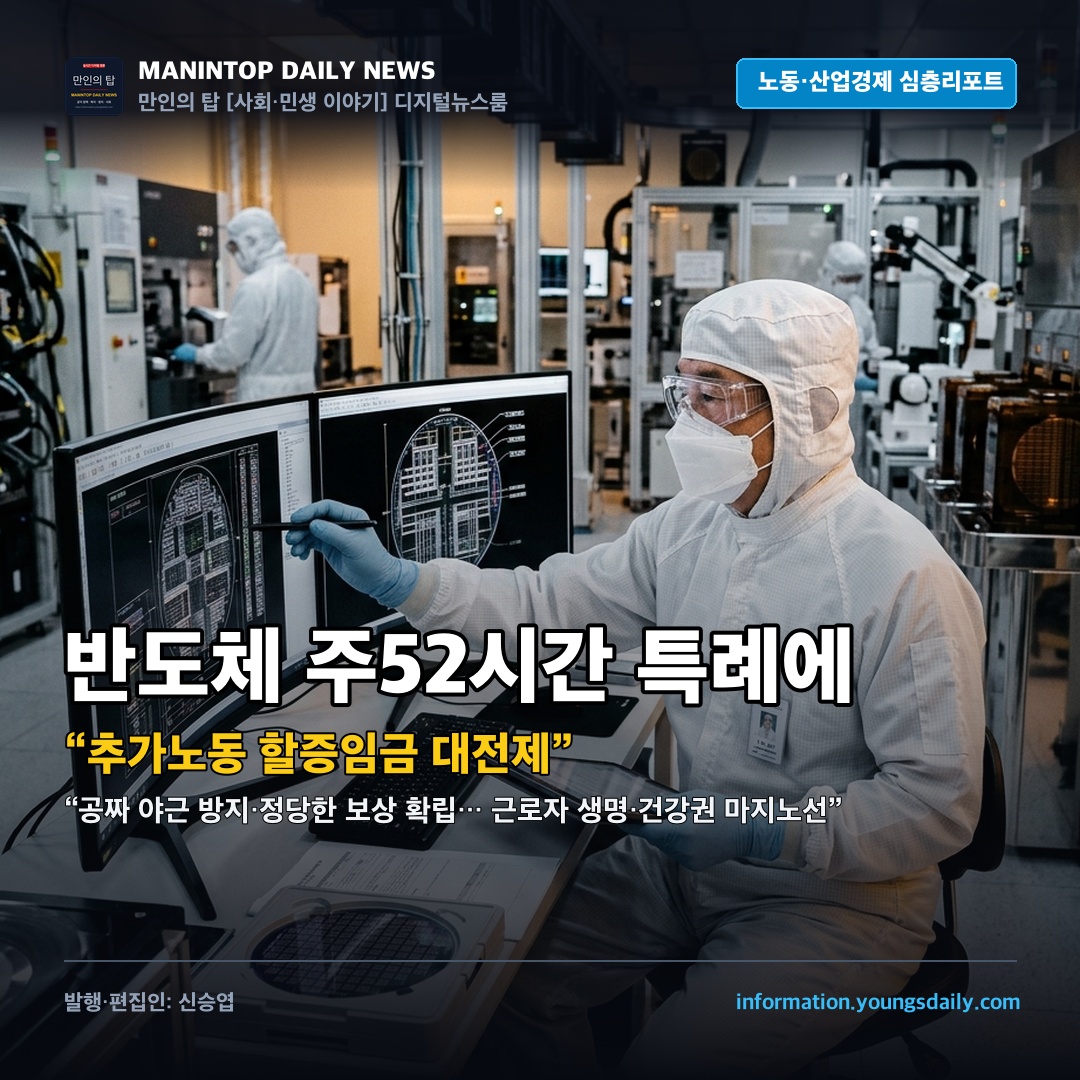
▲ 첨단 반도체 연구개발 클린룸 연구실에서 차세대 마이크로칩 회로 아키텍처를 분석 중인 연구진. 반도체 주 52시간 예외 특례 논의와 관련하여 초과 노동에 대한 정당한 할증 임금 지급과 근로자 건강권 보장이 핵심 대전제로 천명되었다. [만인의 탑 포토DB]
글로벌 반도체 패권 경쟁이 격화되는 가운데 업계를 중심으로 제기된 ‘연구개발(R&D) 인력 주 52시간 근로시간 예외 특례’ 요구에 대해, 대통령이 “추가 노동에 대한 확실한 할증 임금(가산수당) 지급이 모든 논의의 절대적 대전제”라는 단호한 원칙을 천명했습니다. 규제 완화가 노동계의 우려처럼 ‘공짜 야근’이나 정당한 보상 회피 수단으로 변질되는 것을 원천 차단하고, 일한 만큼 확실히 대가를 지불하는 투명한 보상과 근로자 건강권 보호가 확립되어야만 제도 개선이 가능하다는 사회적 기준선을 명확히 한 것입니다.
대통령은 청와대에서 주재한 제2차 규제합리화위원회 전체회의에서 반도체 분야 노동 규제 완화 쟁점을 논의하며 “임금을 제대로 주지 않고 초과 노동을 시키려는 구상은 절대 불가하다”고 강조했습니다. 아울러 새로운 특례법을 만들어 국회에서 소모적인 정쟁을 벌이기보다는, 현행 근로기준법 시행령 수정과 특별연장근로 행정 절차 간소화 등 실효적인 행정적 대안을 우선 검토하라고 관계 부처에 주문했습니다.
반도체 주52시간 특례 요구와 대통령의 ‘할증임금 지급’ 절대 대전제
현재 국내 반도체 산업계는 미국 엔비디아와 인텔, 대만 TSMC 등 글로벌 경쟁사들이 프로젝트 마감 시기 24시간 릴레이 연구 개발을 펼치는 상황에서, 주 52시간 규제가 신제품 출시 시차(Time to Market)를 지연시킨다는 애로를 지속적으로 호소해 왔습니다. 칩 설계와 시제품 테스트가 막바지에 이르면 단기간의 집중 노동이 불가피하다는 것이 산업계의 핵심 논리였습니다.
이에 대해 정부 지휘부는 산업계의 유연성 요구를 무조건 묵살하기보다 노동의 본질적 가치에 주목했습니다. 대통령은 “기업이 추가 노동을 요구하려면 그에 합당한 할증 임금을 온전히 지불해야 한다는 대전제를 먼저 수용해야 한다”며 “이러한 정당한 보상이 전제되지 않은 근로시간 완화는 논의의 출발선에도 설 수 없다”고 못 박았습니다. 노동자의 희생을 발판 삼는 낡은 성장 방식을 거부하고, 고부가가치 연구에 대한 파격적 보상 체계를 정착시키겠다는 정책적 의지의 표현입니다.
‘공짜 야근’ 흑역사 차단과 추가노동 정당 보상 원칙의 법리적 의미
노동계가 그동안 연구개발직 근로시간 예외에 격렬히 반발해 온 가장 큰 이유는 이른바 ‘포괄임금제’ 오남용 때문이었습니다. 연장·야간 근로수당을 실제 일한 시간과 무관하게 기본급에 묶어두는 포괄임금제 관행으로 인해, 많은 첨단 IT·반도체 엔지니어들이 주 60~70시간의 살인적인 격무에 시달리면서도 단 1원의 추가 수당도 받지 못하는 ‘공짜 야근’의 굴레에 갇혀 있었습니다.
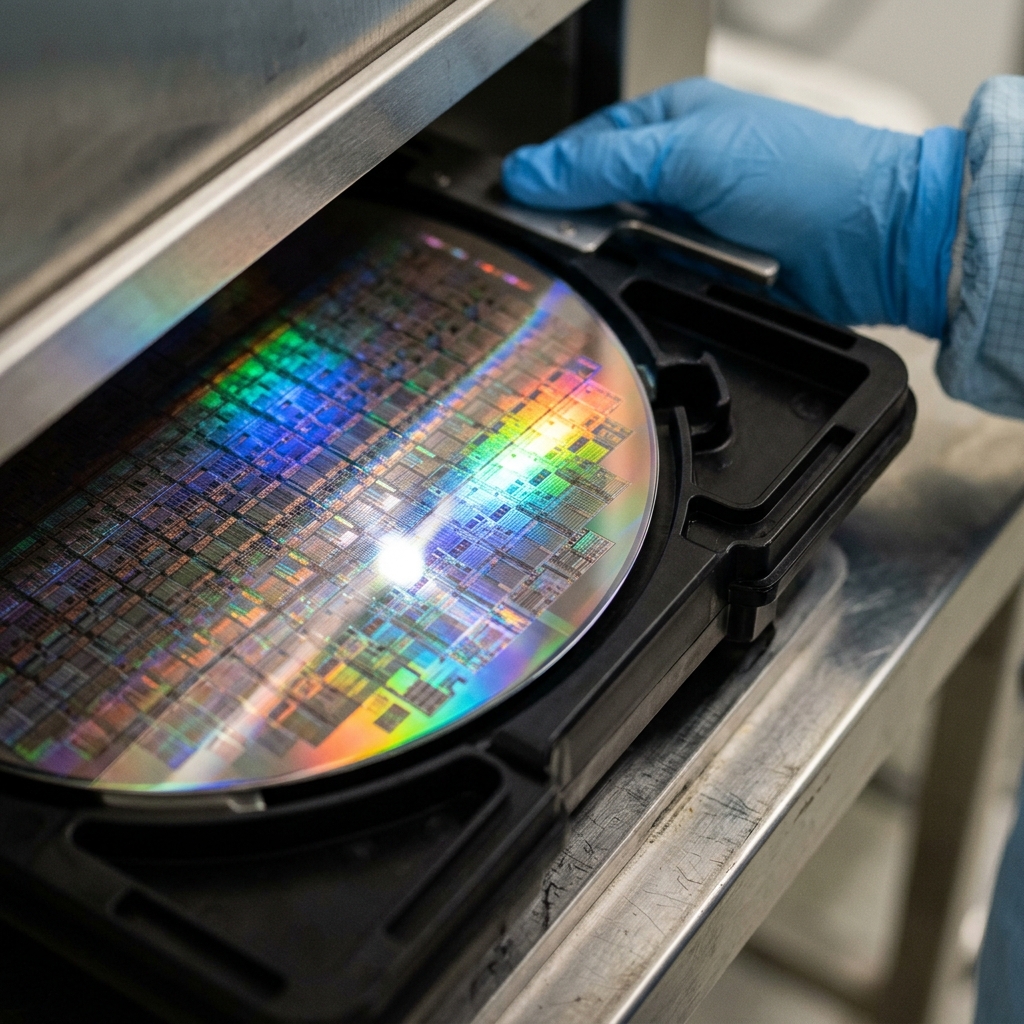
▲ 나노 단위의 미세 공정이 집약된 300㎜ 반도체 실리콘 웨이퍼. 고도의 지적 창의성이 요구되는 반도체 연구개발에서 공짜 야근을 퇴출하고 일한 만큼 보상하는 문화가 정착되어야 핵심 엔지니어의 해외 유출을 방지할 수 있다. [만인의 탑 포토DB]
따라서 대통령이 ‘할증 임금 지급’을 대전제로 못 박은 것은 근로기준법상 연장근로 가산수당(통상임금의 50% 이상 가산) 법리를 철저히 수호하겠다는 강력한 신호입니다. 이는 포괄임금제라는 편법 제도를 사실상 무력화하고, 실제 투입된 야간·휴일 연구 시간에 대해 1.5배에서 2배에 달하는 확실한 금전적 보상을 의무화함으로써, 무분별한 연장 근무 남발을 억제하고 연구직의 노동 가치를 제값으로 평가하도록 만드는 법리적 전환점입니다.
정책 쟁점 및 국면
현장 상황 및 핵심 내용
정부 원칙 및 제도적 대안
사회·산업경제적 시사점
업계 R&D 특례 요구
글로벌 칩 패권 경쟁 가속화로 핵심 반도체 연구인력 주52시간 적용 예외 촉구
미국·대만 등 24시간 연속 프로젝트 연구 체제 대비 개발 시차 단축
첨단 기술 경쟁력 확보와 집중 연구 시간 유연화의 현실적 산업 필요성 대두
할증 임금 지급 대전제
대통령, 초과 근무에 대한 법정 가산수당(할증 임금) 지급을 협의의 선결 조건 명시
포괄임금제를 통한 공짜 야근 및 무보상 착취로의 변질 원천 차단
일한 만큼 정당하게 보상받는 투명한 노동 대가 원칙의 확고한 사회적 천명
노동자 건강권 보호선
11시간 연속 휴식권 보장 및 과로사 예방을 위한 근무 상한선 안전장치 병행
보상이 있더라도 무제한 철야로 인한 인명 훼손과 뇌·심혈관 질환 방지
인간의 생명과 안전을 희생하지 않는 지속 가능한 산업 발전 패러다임 제시
시행령 행정 절차 개선
입법 갈등 대신 근로기준법상 특별연장근로 사후 승인 요건 완화 등 행정 보완
국회 입법 교착 상태를 우회하여 긴급 R&D 현장의 실효적 유연성 즉시 공급
사회적 갈등 비용을 최소화하고 노사 신뢰를 구축하는 실용적 정책 해법
하루 20시간 과로 방지… 노동자 생명·건강권과 휴식권의 양보 불가 마지노선
돈으로 보상한다고 해서 노동자의 생명과 건강을 무제한으로 훼손할 수 없다는 점 또한 명확히 규정되었습니다. 대통령은 “할증 임금 지급이라는 대전제가 성립되더라도 그 다음 쟁점은 건강권”이라며 “하루에 20시간씩 5일 동안 연구하는 식의 극단적인 과로는 그 어떤 보상으로도 정당화될 수 없다”고 경고했습니다.
의학계와 보건의료 전문가들은 주당 64시간을 초과하는 장시간 근로가 지속될 경우 뇌경색과 심근경색 등 치명적인 뇌·심혈관계 질환 발생 위험이 3배 이상 급증한다고 지적합니다. 따라서 근로시간을 유연화하더라도 근무일 간 ‘11시간 연속 휴식권’ 부여, 주당 최대 근로시간의 절대적 상한선 설정, 정기적인 특수건강진단 의무화 등 노동자의 신체적 파멸을 막는 마지노선이 철저히 병행되어야 합니다.
법 개정 대립 넘어서는 특별연장근로 행정 절차 혁신과 사회적 대타협 과제
정부가 제시한 해법의 또 다른 특징은 불필요한 입법 충돌의 회피입니다. 국회에서 반도체 특별법을 개정해 노동시간 예외 조항을 신설하려 할 경우 여야 간 극한 대치와 노동계의 총파업 등 막대한 사회적 갈등 비용이 수반됩니다. 대신 정부는 현행 근로기준법 제53조 제4항에 따른 ‘특별연장근로 인가 제도’를 활용하는 실용적 해법을 제시했습니다.
신제품 개발이나 긴급한 연구개발 사유가 발생했을 때 고용노동부의 사전 승인 절차를 간소화하고, 사후 승인 요건을 합리적으로 완화하는 시행령 수정을 통해 현장에 필요한 유연성을 즉시 부여하는 방안입니다. 대한민국 반도체가 세계 정상을 지키기 위해 필요한 것은 연구원의 뼈를 깎는 무보수 희생이 아니라, 일한 만큼 확실히 대우하고 건강을 지켜주는 고도화된 선진 노동 시스템입니다. 정당한 보상과 건강권이라는 두 축 위에서 노사가 합리적으로 상생하는 미래지향적 노동 대타협이 완성되어야 할 때입니다.
[만인의 탑 취재수첩] 반도체 칩 하나에 담긴 대한민국의 미래는 연구실의 불을 밝히는 엔지니어들의 땀방울에서 나옵니다. “추가 노동에는 반드시 정당한 할증 임금을 지불하라”는 원칙은 첨단 기술 강국이 지켜야 할 가장 기본적인 인간 존엄의 약속입니다.
▲ Semiconductor research engineers analyzing advanced microchip architecture inside a high-tech cleanroom laboratory. In response to demands for 52-hour workweek exemptions, mandatory overtime premium pay and safeguards for worker health were established as indispensable prerequisites. [Manintop Photo DB]
Addressing semiconductor industry calls for exemptions to the statutory 52-hour weekly work limit amidst escalating global technology rivalries, the President delivered an unequivocal standard: guaranteed statutory premium pay for overtime labor must serve as the absolute prerequisite for any labor flexibility dialogue. By demanding transparent remuneration while prohibiting uncompensated overtime and protecting basic physical rest rights, the administration established a definitive baseline balancing high-tech industrial dynamism with fundamental human dignity.
Chairing the 2nd Regulatory Rationalization Committee plenary session at the presidential office, the President rejected any deregulatory concept that forces uncompensated labor onto employees. Rather than triggering polarizing parliamentary battles through contentious new exemption statutes, directives were issued to administrative ministries to explore procedural simplifications within existing special overtime decrees under the Labor Standards Act.
Semiconductor R&D Flexibility Demands and the Absolute Premium Pay Prerequisite
Domestic chipmakers face relentless development pressure from foreign competitors such as Nvidia, Intel, and TSMC, where engineering teams deploy 24-hour relay research schedules during critical tape-out phases. Industry advocates have long contended that rigid weekly caps artificially inflate time-to-market intervals, hampering national strategic competitiveness during crucial fabrication testing cycles.
Instead of dismissing field realities, executive leadership reframed the core terms of engagement. The President affirmed that enterprises demanding supplemental labor hours must first commit to full statutory premium compensation, noting that discussions cannot proceed without guaranteed pay. This approach rejects obsolete growth dogmas reliant on uncompensated sacrifice, anchoring national semiconductor superiority in fair compensation.
Dismantling Unpaid Overtime Loopholes and Restoring Fair Compensation Principles
Labor unions have consistently opposed flexibility expansions due to systemic abuses of the comprehensive wage system. Under fixed-salary contractual loopholes, engineering talent across domestic IT and semiconductor sectors historically endured 60 to 70 hours of weekly research without receiving additional overtime premiums, institutionalizing chronic uncompensated night labor.
▲ A 300mm silicon semiconductor wafer exhibiting microscopic circuit patterns. Sustaining creative intellectual innovation requires transparent compensation for every hour of research, preventing elite talent drain to international competitors. [Manintop Photo DB]
Mandating overtime premium pay serves as a vital safeguard under the Labor Standards Act, which requires minimum 50% surcharges for extra hours. By strictly enforcing this mandate, the government effectively neutralizes comprehensive wage loopholes, requiring corporations to pay up to double rates for nocturnal and weekend sprints, naturally discouraging arbitrary work expansions while honoring technological labor.
Policy Issue & Dimension
Field Context & Key Details
State Principles & Alternatives
Socio-Economic Insights
Industry R&D Demands
Semiconductor sector urging exemptions to 52-hour cap for critical chip engineers
Compressing development cycles against 24-hour competitor R&D hubs in the US and Taiwan
Acknowledging pragmatic industrial needs for project-based flexible development sprints
Premium Pay Prerequisite
President mandates lawful overtime premium wages as absolute baseline condition
Eliminating uncompensated labor under comprehensive wage loopholes and exploitation
Affirming fair compensation standards where every hour worked is transparently remunerated
Health & Rest Safeguards
Mandating consecutive eleven-hour daily rest windows to prevent fatal overwork
Protecting cardiovascular health and preventing physical collapse despite monetary pay
Establishing a sustainable innovation model that refuses to compromise human dignity
Administrative Streamlining
Optimizing special overtime approval decrees rather than pursuing contentious legislation
Providing immediate procedural flexibility to emergency R&D labs without legislative gridlock
Demonstrating pragmatic governance that resolves field hurdles through procedural reform
Preventing Extreme Twenty-Hour Shifts: Non-Negotiable Health and Rest Boundaries
Monetary compensation cannot justify infinite physical degradation. The President stressed that even if premium pay conditions are satisfied, health rights remain paramount, warning that grueling twenty-hour research shifts across consecutive days cannot be tolerated under any compensatory framework.
Occupational health research proves that chronic work schedules exceeding 64 hours weekly triple cardiovascular pathology, including ischemic stroke and myocardial infarction. Consequently, any operational flexibility must incorporate unbreakable structural safeguards, including mandatory 11-hour consecutive daily rest intervals, definitive absolute caps on weekly work durations, and specialized medical screenings.
Bypassing Legislative Deadlocks Through Special Overtime Decree Reforms
A notable element of the policy approach is the deliberate avoidance of legislative polarization. Attempting statutory amendments through the National Assembly risks legislative deadlock and prolonged labor confrontation. Instead, the administration directed authorities to optimize administrative pathways under Article 53 of the Labor Standards Act governing special overtime authorizations.
By streamlining bureaucratic approvals and allowing ex-post authorization during urgent chip prototyping emergencies, practical flexibility can be delivered to strategic laboratories immediately. Long-term semiconductor leadership cannot be built on burnout; it demands an equitable technological ecosystem that rewards talent fairly while safeguarding human well-being.
[Manintop Editorial Note] South Korea technological future rests upon the brilliance of its semiconductor engineers. The decree that extra labor commands equitable premium remuneration represents an inviolable commitment to human dignity in a globalized industrial era.
MANINTOP NEWSLETTER
📬 만인의 탑 뉴스레터 무료 구독
오늘 보신 정책·시사 뉴스가 유익하셨나요? 매일 엄선되는 알짜 복지 혜택과 국회 실시간 속보를 이메일로 가장 먼저 받아보세요. (평생 무료)
Computer Programmer who love programming.
Computer Programmer Who love Riding Bicycle.
Computer Programmer who love trip in abroad.
Computer Programmer who love studying about programming
- even if sometimes it's very boring.
Computer Programmer who love talking with person.
- I love communication with person.
1월이 시작되면 감기는 이미 우리 곁에 와 있습니다. 2월, 3월, 4월까지 이어지는 추위와 건조함은 코와 목을 가장 먼저 공격합니다. 아침에 일어나자마자 막혀 있는 코. 계속 흐르는 콧물. 괜히 칼칼해지는 목. 이 증상은 “시작”일 뿐입니다. 한 번 무너지면 일주일, 길면 한 달까지 끌고 갑니다. 약을 먹으면 잠깐 괜찮아집니다. 하지만 며칠 뒤 또 반복됩니다. 왜일까요? 감기는 ‘치료’의 문제가 아니라 ‘관리’의 문제이기 때문입니다. 대부분은 감기가 오고 나서 약을 찾습니다. 하지만 진짜 중요한 건 감기가 오기 전에 코와 목을 지키는 것입니다. 건조한 실내 공기, 차가운 바깥 공기, 눈에 보이지 않는 세균. 코와 목은 매일 공격받고 있습니다. 지긋지긋하죠! 그런데도 우리는 아무 준비 없이 버티고 있습니다. 이번 겨울도 그렇게 보낼 건가요? 사실 방법은 어렵지 않습니다. 코를 깨끗하게 관리하고, 목을 따뜻하게 보호하고, 점막을 촉촉하게 유지하고, 기관지를 미리 관리하고, 외부 공기를 차단하는 것. 이 다섯 가지만 꾸준히 해도 감기약 없이 겨울을 보내는 것이 충분히 가능합니다. 🔥 이제부터 그 방법을 하나씩 살펴보겠습니다. 🔥 1. 코와 목을 먼저 관리해야 하는 과학적 이유 감기의 대부분은 코 점막에서 시작됩니다. 국제 학술지 Nature Reviews Microbiology 와 Journal of Allergy and Clinical Immunology 에 실린 호흡기 감염 관련 연구들에서는, 감기 바이러스가 비강 상피세포에 먼저 부착해 증식한다는 점을 설명하고 ...
리모델링사업이 진행 중인 아파트를 매매할 때 “계약금 10%를 언제까지 내야 하느냐”는 질문이 특히 많이 나옵니다. 이주공고(이주 안내)가 7~11월쯤이라고 들으면, 그 시점에 맞춰 계약금도 움직일 것 같아서 더 헷갈리기 쉽습니다. 하지만 실제 납부기한은 ‘이주공고가 언제냐’만으로 자동 결정되지 않는 경우가 많습니다. 1) 계약금 10% 납부기한: 결국 ‘문서에 적힌 일정’이 기준 계약금 10%를 언제까지 납부해야 하는지는, 내가 서명하는 매매계약서(특약 포함) 와 사업주체/조합이 제시한 공고·안내문 에 적힌 납부 일정이 기준이 됩니다. 실제 공고문에서는 분양대금 납부의 큰 틀(계약금→중도금→잔금)을 먼저 안내하고, 상세 일정은 별도 표나 유의사항으로 제시하는 방식이 흔합니다. 또, 계약서 문구에 따라 지급 시점이 조건부로 설정될 수도 있습니다. 예를 들어 한 사례 소개 자료에서는 용역계약서에 잔금(10%) 지급시기가 “사업승인 후”로 기재되어 있었다는 점이 언급됩니다. 이런 식으로 ‘사업 단계’와 지급을 연동하는 문구가 들어가면, 질문의 답은 계약서 문구를 확인해야만 확정됩니다. 관련 내용은 링크 에서 문구 사례를 확인할 수 있습니다. 2) 입주자모집공고에서 확인되는 ‘납부 순서’와 잔금 마감 시점 공고문에 적힌 문구를 보면, 납부 순서와 잔금 마감에 대한 기준이 비교적 명확하게 제시되는 경우가 있습니다. 예를 들어 한 입주자모집공고에는 “분양금액(주택가격)은 계약금, 중도금, 잔금의 순서로 납부”하며 “잔금은 입주(열쇠 수령일) 전에 완납”해야 한다고 안내되어 있습니다. (문구 확인: 링크 ) 이 문구가 의미하는 바는 최소 2가지입니다. 분양/공급 형태의 문서에서는 ‘계약금→중도금→잔금’ 흐름이 공식적으로 안내될 수 있습니다. 잔금은 “입주(열쇠 수령)” 이전에 완납해야 한다는 마감 기준이 문서에 적혀 있을 수 있습니다. 다만, 위 공고문 문구는 잔금 마감에 대한 기준을 보여주지만, 계약금 10%의...
윤석열 전 대통령 탄핵 인용 소식을 접하면, 가장 궁금한 지점은 ‘헌재가 정확히 무엇을 위헌·위법으로 봤는가’입니다. 또한 탄핵과 별개로 진행되는 형사재판(내란 우두머리 혐의 등)이 어디까지 왔는지도 함께 정리할 필요가 있습니다. 아래 내용은 제공된 기사/게시물 스니펫과 링크에서 확인되는 범위만 모아, 일반인이 흐름을 이해하기 쉽게 정리한 것입니다. 1) 탄핵 인용 관련: 스니펫에서 확인되는 ‘판단의 골격’ 제공된 근거 중 조국혁신당 사이트에는 헌법재판소가 윤석열 탄핵 심판에서 “피청구인의 위헌·위법행위는 국민 신임 …”이라는 취지로 판단했다는 문장이 인용돼 있습니다( 링크 ). 이 인용문만 놓고 보면, ‘위헌·위법행위’가 있었는지와 그로 인해 ‘국민의 신임’이 어떻게 평가됐는지가 핵심 축으로 소개됩니다. 다만 질문에서 요청하신 세부 항목, 즉 비상계엄 선포 자체를 문제 삼은 구체적 이유, 계엄 이후 조치(포고령, 국회 통제 등)의 어떤 지점이 헌법 위반인지, 국회의 권한행사 방해 및 정치활동 제약을 어떤 논리로 판단했는지 등은, 이번에 제공된 근거의 제목/스니펫만으로는 조항·사실관계·판단 구조가 그대로 제시돼 있지 않습니다. 따라서 이 글에서는 ‘헌재가 무엇을 문제 삼았다’는 세부 리스트를 단정적으로 재구성하기보다, 현재 확인 가능한 문구 수준의 요약(위헌·위법행위 → 국민 신임의 문제로 평가)까지만 적습니다. 만약 헌재 결정문 전문(주문 및 이유)이 추가로 확인되면, 그때는 문장 단위로 ‘어떤 행위’와 ‘어떤 헌법 원리/조항’이 연결되는지(예: 권력분립, 국회의 권한, 정치적 기본권 등) 구조화해 정리하는 것이 가장 정확합니다. 2) 형사 절차(내란 혐의) 관련: 체포영장과 1심 선고 언급 탄핵 심판과 별도로, 12·3 비상계엄 사태로 내란 혐의를 받는 윤석열 대통령에 대해 2024년 12월 31일 체포 영장이 발부됐다는 BBC 보도가 있습니다( 링크 ). 해당 보도는 ‘현직 대통령’에 대한 체포영장 발부라는 점을 함께 언급합니다. 또...




0 댓글