▲ “새는 돈 막아야 자산 쌓인다”… 1인 가구·직장인을 위한 실생활 절약 및 월급 관리 총정리 (공식 보도 자료)
📌 핵심 브리핑 · 주요 쟁점 및 핵심 요약
새는 돈을 막아야 자산이 쌓인다는 대원칙 아래, 물가는 가파르게 오르는 반면 실질 임금 상승폭은 정체되면서 한 달 소득의 60% 이상을 생활비로 소진하는 1인 가구와 직장인들의 재정적 고충이 깊어지고 있습니다. 국무조정실 조사에 따르면 청년 세전 평균 월급 252만 원 중 평균 생활비가 161만 원에 달해 통장 잔고가 순식간에 비어버리는 악순환이 반복되는 실정입니다. 금융 전문가들은 종잣돈 형성의 성패는 수입 증대보다 고정비와 변동지출의 누수를 시스템적으로 틀어막는 데 있다고 강조합니다. 50-30-20 예산 프레임워크와 자동화 3통장 분리법부터 신용카드·체크카드 소득공제 황금비율, 공과금·식비 다이어트까지 당장 실천할 수 있는 핵심 월급 관리 루틴을 총정리합니다.
SPONSORED · ADVERTISEMENT
1. 월급 누수 차단하는 자동화 시스템: 50-30-20 예산과 3통장 분리법
급여가 입금되기 무섭게 통장 잔고가 바닥나는 현상은 수입의 크기 문제가 아니라 자금의 흐름을 통제하는 시스템의 부재에서 기인합니다. 재정 전문가들이 권장하는 가장 효과적인 예산 수립 기준은 글로벌 자산운용사들이 검증한 '50-30-20 법칙'입니다. 전체 수입의 50%는 주거비, 공과금, 통신비, 대출 원리금, 필수 식비 등 일상을 영위하기 위한 '필수 고정비'로 한정하고, 30%는 외식, 여가, 문화생활 등 조절 가능한 '유연한 지출'로 배정하며, 나머지 20% 이상은 적금, ETF, 연금 등 '재정 목표'를 위해 선취하는 구조입니다. 특히 부모와 동거하여 주거 고정비가 낮은 사회초년생은 저축 비중을 40% 이상으로 끌어올리는 것이 자산 형성의 지름길입니다.
이러한 예산 배분을 인간의 불완전한 의지력에 맡기지 않고 기계적으로 집행하기 위해서는 '자동화된 3통장 분리 시스템'이 필수적입니다. 급여가 입금되는 즉시 고정비가 빠져나가는 '생활비 통장(약 60%)', 월급날 다음 날(D+1) 투자 계좌로 강제 자동이체되는 '저축·투자 통장(약 30%)', 그리고 남은 자금 범위 내에서만 체크카드로 지출하는 '자유소비 통장(약 10%)'으로 철저히 격리해야 합니다. 돈을 쓰고 남은 잔액을 저축하는 것이 아니라, 저축액을 먼저 원천 차단한 뒤 남은 돈에 생활을 맞추는 역발상 루틴이야말로 월급 재테크의 절대 원칙입니다.
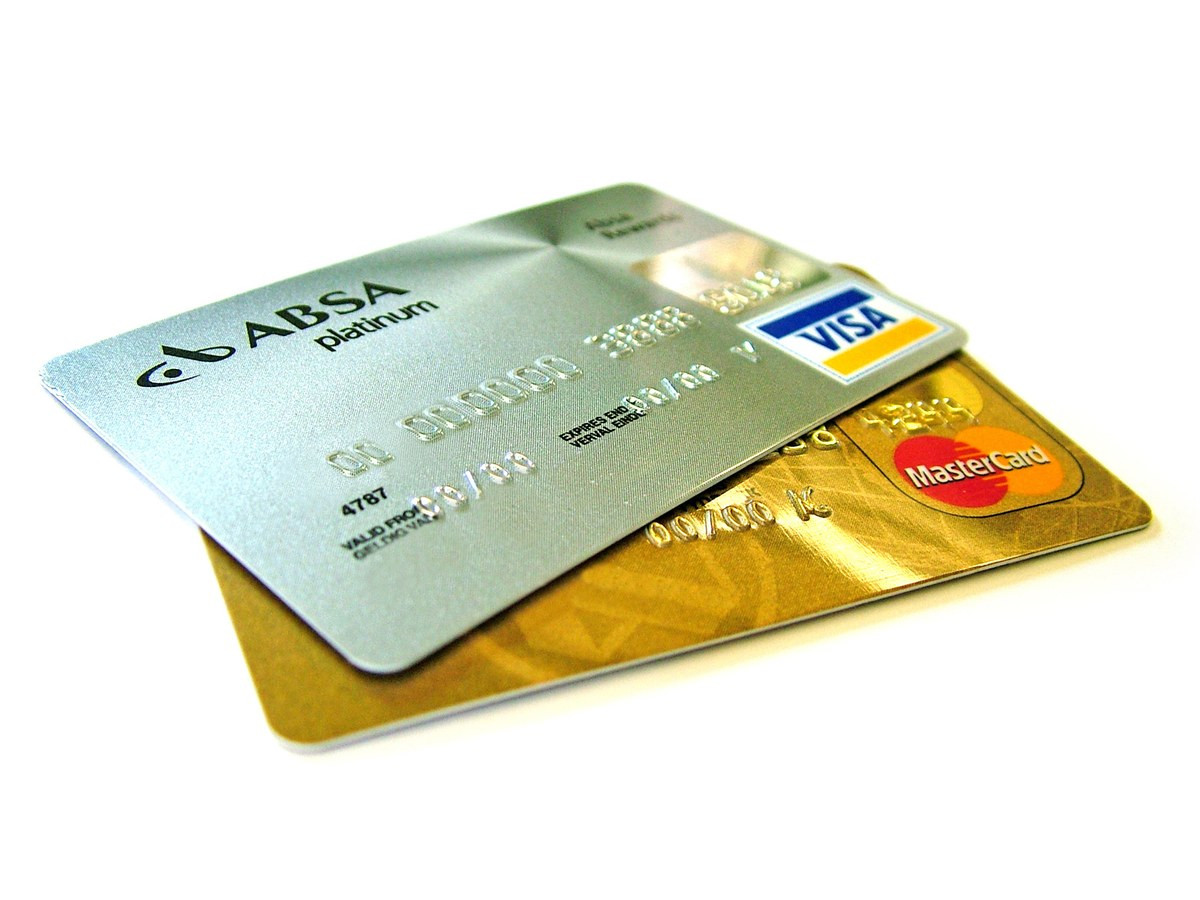
▲ 연말정산 소득공제율과 카드사 부가 혜택을 극대화하기 위해 신용카드와 체크카드를 전략적으로 교차 활용하는 모습 (보도 자료)
2. 신용카드 vs 체크카드: 연말정산 소득공제와 혜택을 극대화하는 '황금비율'
소비 수단을 선택할 때 신용카드와 체크카드의 세제 혜택과 부가서비스 격차를 정확히 파악하여 배치하는 전략이 필요합니다. 국세청 연말정산 기준에 따르면 카드 사용 금액은 총급여액의 25%를 초과하는 지출분부터 소득공제가 적용됩니다. 이때 적용되는 공제율은 신용카드가 15%인 반면, 체크카드와 현금영수증은 2배에 달하는 30%가 적용됩니다. 신용카드는 항공 마일리지, 포인트 적립, 무이자 할부 등 풍성한 부가 혜택을 제공하지만 과소비를 유발하기 쉬우며, 체크카드는 계좌 잔액 내에서만 결제되므로 지출 통제력이 탁월합니다.
따라서 가장 현명한 실전 전략은 두 카드의 장점을 교차 결합한 '구간별 황금비율 사용법'입니다. 1월 1일부터 연간 누적 소비액이 자신의 '총급여 25% 문턱'에 도달할 때까지는 포인트 적립과 통신·주유 할인 혜택이 집중된 신용카드를 우선 사용하여 혜택을 극대화합니다. 이후 25% 공제 기준선을 돌파한 시점부터는 소득공제율이 30%로 높은 체크카드나 현금영수증으로 결제 수단을 전격 전환하는 방식입니다. 이를 통해 신용카드의 부가 혜택을 전부 챙기면서도 연말정산 환급금을 극대화하는 이중 절세 효과를 달성할 수 있습니다.
구분 유형
지원 및 적용 대상
환급 및 해결 기준
신청 및 조치 방법
생활비 통장 (고정비)
월세·관리비·공과금·교통비
전체 소득의 약 60%
급여 입금 당일 필수 비용 자동이체
저축·투자 통장 (자산)
적금·ETF·연금저축·비상금
전체 소득의 약 30%
월급날 익일(D+1) 강제 선저축 설정
자유소비 통장 (변동)
외식·취미·여가·개인 용돈
전체 소득의 약 10%
잔액 범위 내 체크카드로만 지출 집행
신용카드 활용 구간
연간 총급여 25% 도달 시점까지
소득공제 15% 적용
포인트 적립·할인 혜택 극대화
체크카드 활용 구간
총급여 25% 초과 지출분 전액
소득공제 30% 적용
신용카드 2배 공제율로 연말정산 환급
SPONSORED · ADVERTISEMENT
3. 매달 자동으로 쌓이는 고정비 다이어트: 공과금·통신비·교통패스 절감법
매월 정기적으로 빠져나가는 고정비는 한 번 절약 파이프라인을 구축해 두면 영구적인 지출 방어벽이 됩니다. 공과금 관리에서는 주거 환경별 난방 메커니즘을 파악하는 것이 핵심입니다. 개별난방 가구는 보일러 컨트롤러 센서의 외풍 오작동을 막기 위해 실내 모드 대신 바닥 배관 온도를 제어하는 '온돌 모드'를 활용하고, 외출 시 전원을 끄는 대신 '외출 모드'를 유지하는 것이 가스비 폭탄을 막는 비결입니다. 지역난방 가구 역시 외출 시 18~20도를 유지해 급격한 재가동 열손실을 방지하고, 온수 샤워 시간을 단 5분만 단축해도 월 1만~2만 원의 에너지를 절감할 수 있습니다.
통신비와 교통비 역시 정부 공공 혜택과 알뜰 요금제를 적극 결합해야 합니다. 이동통신 3사 대비 동일한 통신망을 절반 이하 가격에 제공하는 알뜰폰(MVNO) 요금제로 전환하면 월 0원~1만 원대로 통신비를 대폭 압축할 수 있습니다. 대중교통 이용 시에는 서울 시민을 위한 '기후동행카드'(청년 5만 5천 원 무제한)나, 전국 이동 거리와 횟수에 따라 지출액의 20~53%를 현금 환급해 주는 'K-패스' 및 지자체 특화 패스(The 경기패스 등)를 필수로 연동해야 합니다. 아울러 환경부 '탄소중립포인트(에너지)'에 가입해 전기·수도·가스 사용량을 전년 대비 5% 이상 줄이면 연 최대 10만 원의 현금 인센티브까지 챙길 수 있습니다.
▲ 1인 가구 및 직장인의 고정비와 변동지출 누수를 막고 종잣돈을 형성하기 위한 실생활 예산 및 지출 통제 현장 (보도 자료)
4. 식비 66만 원 통제와 소비 심리 리셋: '냉장고 지도'와 24시간 보류 법칙
통계청 가계동향조사에서 1인 가구 평균 생활비의 40% 이상을 차지하는 최대 지출 항목은 단연 식비(월평균 66만 원)입니다. 식비 낭비의 주원인은 식재료를 냉장고 깊숙이 보관하다 유통기한을 넘겨 폐기하는 관리 부실에 있습니다. 이를 원천 차단하는 검증된 실천법이 바로 '투명 L자 파일 냉장고 지도'입니다. A4 용지에 냉장, 냉동, 실온, 팬트리 구역을 나눈 뒤 투명 L자 파일에 끼우고, 겉면에 보드마카로 현재 보관 중인 식재료를 기입하는 방식입니다. 재료를 소비할 때마다 마카로 지우면 불필요한 중복 구매를 완벽히 막고 냉장고 개폐 시간을 단축해 전력 손실까지 방지할 수 있습니다.
이에 더해 충동구매를 유발하는 감정 소비를 차단하기 위한 4대 행동 원칙을 일상에 적용해야 합니다. 첫째, 구매 욕구가 발생하는 순간 결제를 보류하고 장바구니에 담은 채 만 하루를 기다리는 '24시간 보류 법칙'을 실행하면 충동구매의 70%가 사라집니다. 둘째, 구매 가격을 자신의 시급으로 나누어 필요한 노동 시간을 체감하는 '시급 환산법', 셋째, 주말 외식비를 억제하는 '하루 1만 원 지출 챌린지', 넷째, 한 달에 하루는 필수 공과금 외에 단 1원도 쓰지 않는 '무지출 데이'를 운영함으로써 무의식적인 소비 감각을 주도적으로 리셋할 수 있습니다.
“Stop the Leaks to Build Real Wealth”: Practical Saving Blueprints and Salary Management Systems for Singles and Workers
As inflationary pressures outpace real wage gains, single-person households and working professionals face mounting financial strains, often consuming over 60 percent of net monthly earnings on baseline subsistence. Official data from the Office for Government Policy Coordination reveals that against an average pre-tax youth salary of 2.52 million KRW, average living costs surge past 1.61 million KRW, leaving zero margin for wealth accumulation. Wealth managers emphasize that the cornerstone of financial independence lies not in speculative yields, but in systematically eliminating structural leaks across fixed and discretionary outlays. This exhaustive practical guide synthesizes the 50-30-20 budget framework, automated three-account separation, optimal credit-versus-debit tax deduction ratios, and disciplined living cost reductions.
📌 Key Takeaways
50-30-20 Budgeting and Automated Three-Account Isolation: 50% fixed, 30% flexible, 20% savings with non-negotiable D+1 automated investment transfers.
Dual Credit-Debit Tier Optimization: Credit cards satisfy the preliminary 25% gross income qualification threshold, followed by 30% high-deduction debit cards.
Structural Fixed-Cost and Sustenance Reductions: Ondol heating modes, MVNO telecommunications, K-Pass transit refunds, and fridge mapping eliminating 90% of food waste.
1. Systematic Outflow Interception: The 50-30-20 Budget and Three-Account Segregation
The chronic depletion of bank balances immediately following payday stems not from an intrinsic deficit of income, but from the absence of automated fund management systems. Wealth management experts widely advocate the institutionally proven '50-30-20 Rule' as the foundational framework. Under this doctrine, 50 percent of total earnings is capped for essential fixed obligations—including rent, maintenance, utilities, baseline transit, and sustenance; 30 percent is allocated to flexible discretionary outlays such as dining and leisure; and at least 20 percent is quarantined for capital formation across savings, index funds, and retirement annuities. Young professionals cohabiting with family should aggressively elevate their savings allocation past 40 percent to accelerate capital accumulation.
To prevent psychological fatigue from eroding budget discipline, this capital distribution must execute mechanically via an automated three-account segregation system. Funds are partitioned into an Operating Account (approx. 60%) clearing mandatory living costs, an Investment Account (approx. 30%) executing forced transfers on the day after payday (D+1), and an Allowance Account (approx. 10%) capped for debit card transactions. Saving remaining capital post-consumption represents a flawed approach; true wealth building mandates prioritizing automated investments first and restricting daily living to the residual balance.
▲ Official Press Archive & Contextual Documentation
2. Credit versus Debit Strategies: Optimizing Tax Deductions and Reward Tiers
Selecting financial payment instruments demands a strategic balance between immediate credit benefits and year-end statutory tax deductions. According to National Tax Service regulations, card expenditures qualify for income deductions only after cumulative outlays cross the statutory threshold of 25 percent of gross annual salary. Above this threshold, standard credit cards yield a 15 percent deduction rate, whereas debit cards and cash receipts confer a 30 percent rate—delivering twice the fiscal benefit. While credit cards provide airline miles, reward points, and interest-free installment perks, they frequently foster spending illusions; debit cards enforce strict spending limits constrained by account balances.
Consequently, optimal execution lies in a phased dual-card model based on spending tiers. From January onward, consumers should channel all expenditures through high-reward credit cards until cumulative spending exactly satisfies the 25 percent gross income qualification line. The instant this baseline is achieved, all subsequent purchases should decisively transition to debit cards or cash receipts to harvest the doubled 30 percent deduction rate. This methodology ensures full extraction of premium credit rewards while maximizing year-end tax refunds.
Fixed monthly expenditures represent non-negotiable overhead, meaning that optimizing these structural drains establishes permanent recurring savings. In domestic utility management, understanding boiler heating mechanics prevents severe utility inflation. In individual boiler housing, setting controllers to 'Ondol Mode' (water temperature regulation) rather than air sensing prevents erroneous over-firing caused by winter window drafts, while maintaining an active 'Away Mode' preserves baseline heat. Central heating households should maintain a stable 18 to 20 degrees Celsius to prevent thermal shock, and shaving five minutes from daily showers eliminates over 20,000 KRW in monthly energy bills.
Telecommunications and urban transit costs can likewise be restructured using public frameworks. Migrating to Mobile Virtual Network Operators (MVNO), which utilize identical tier-one telecom networks at a fraction of legacy retail rates, slashes communication bills to zero or minimal tiers. Commuters should actively integrate transit frameworks—such as Seoul's Climate Card (55,000 KRW unlimited monthly passes for youth) or nationwide K-Pass programs refunding 20 to 53 percent of transit outlays. Furthermore, enrolling in the Ministry of Environment's Eco-Points program unlocks annual cash incentives up to 100,000 KRW when households reduce utility consumption by over five percent.
▲ Institutional Field Data & Media Archive
4. Curbing the 660,000 KRW Food Budget and Behavioral Resets: The Fridge Map and 24-Hour Rule
Statistics Korea household expenditure data confirms that food costs constitute the single largest financial drain for solo households, averaging 660,000 KRW monthly—surpassing 40 percent of total expenditures. The primary cause of food inflation is the expiration and disposal of forgotten provisions hidden within deep refrigerator compartments. An indispensable practical countermeasure is the 'Clear L-Folder Fridge Map.' By marking designated freezer, chilled, and pantry quadrants on a sheet encased in a transparent folder and logging stored items with dry-erase markers, consumers eradicate redundant shopping and minimize cooling losses by reducing open-door inspection intervals.
Simultaneously, four psychological disciplines must be enforced to neutralize emotional retail therapy. First, invoking the '24-Hour Delay Rule'—mandating a full day in digital shopping carts before checkout—prevents over 70 percent of impulse buys. Second, converting purchase prices into labor hours provides immediate tangible perspective on monetary value. Third, adopting a 10,000 KRW daily cap for flexible spending recalibrates subconscious consumption. Finally, observing a monthly 'Zero-Spend Day' (where no capital is disbursed beyond mandatory utilities) restores full intentional mastery over individual cash flow.
Recommended Deep-Dive Investigations TOP 3
GLOBAL REPORT
Computer Programmer who love programming.
Computer Programmer Who love Riding Bicycle.
Computer Programmer who love trip in abroad.
Computer Programmer who love studying about programming
- even if sometimes it's very boring.
Computer Programmer who love talking with person.
- I love communication with person.
1월이 시작되면 감기는 이미 우리 곁에 와 있습니다. 2월, 3월, 4월까지 이어지는 추위와 건조함은 코와 목을 가장 먼저 공격합니다. 아침에 일어나자마자 막혀 있는 코. 계속 흐르는 콧물. 괜히 칼칼해지는 목. 이 증상은 “시작”일 뿐입니다. 한 번 무너지면 일주일, 길면 한 달까지 끌고 갑니다. 약을 먹으면 잠깐 괜찮아집니다. 하지만 며칠 뒤 또 반복됩니다. 왜일까요? 감기는 ‘치료’의 문제가 아니라 ‘관리’의 문제이기 때문입니다. 대부분은 감기가 오고 나서 약을 찾습니다. 하지만 진짜 중요한 건 감기가 오기 전에 코와 목을 지키는 것입니다. 건조한 실내 공기, 차가운 바깥 공기, 눈에 보이지 않는 세균. 코와 목은 매일 공격받고 있습니다. 지긋지긋하죠! 그런데도 우리는 아무 준비 없이 버티고 있습니다. 이번 겨울도 그렇게 보낼 건가요? 사실 방법은 어렵지 않습니다. 코를 깨끗하게 관리하고, 목을 따뜻하게 보호하고, 점막을 촉촉하게 유지하고, 기관지를 미리 관리하고, 외부 공기를 차단하는 것. 이 다섯 가지만 꾸준히 해도 감기약 없이 겨울을 보내는 것이 충분히 가능합니다. 🔥 이제부터 그 방법을 하나씩 살펴보겠습니다. 🔥 1. 코와 목을 먼저 관리해야 하는 과학적 이유 감기의 대부분은 코 점막에서 시작됩니다. 국제 학술지 Nature Reviews Microbiology 와 Journal of Allergy and Clinical Immunology 에 실린 호흡기 감염 관련 연구들에서는, 감기 바이러스가 비강 상피세포에 먼저 부착해 증식한다는 점을 설명하고 ...
리모델링사업이 진행 중인 아파트를 매매할 때 “계약금 10%를 언제까지 내야 하느냐”는 질문이 특히 많이 나옵니다. 이주공고(이주 안내)가 7~11월쯤이라고 들으면, 그 시점에 맞춰 계약금도 움직일 것 같아서 더 헷갈리기 쉽습니다. 하지만 실제 납부기한은 ‘이주공고가 언제냐’만으로 자동 결정되지 않는 경우가 많습니다. 1) 계약금 10% 납부기한: 결국 ‘문서에 적힌 일정’이 기준 계약금 10%를 언제까지 납부해야 하는지는, 내가 서명하는 매매계약서(특약 포함) 와 사업주체/조합이 제시한 공고·안내문 에 적힌 납부 일정이 기준이 됩니다. 실제 공고문에서는 분양대금 납부의 큰 틀(계약금→중도금→잔금)을 먼저 안내하고, 상세 일정은 별도 표나 유의사항으로 제시하는 방식이 흔합니다. 또, 계약서 문구에 따라 지급 시점이 조건부로 설정될 수도 있습니다. 예를 들어 한 사례 소개 자료에서는 용역계약서에 잔금(10%) 지급시기가 “사업승인 후”로 기재되어 있었다는 점이 언급됩니다. 이런 식으로 ‘사업 단계’와 지급을 연동하는 문구가 들어가면, 질문의 답은 계약서 문구를 확인해야만 확정됩니다. 관련 내용은 링크 에서 문구 사례를 확인할 수 있습니다. 2) 입주자모집공고에서 확인되는 ‘납부 순서’와 잔금 마감 시점 공고문에 적힌 문구를 보면, 납부 순서와 잔금 마감에 대한 기준이 비교적 명확하게 제시되는 경우가 있습니다. 예를 들어 한 입주자모집공고에는 “분양금액(주택가격)은 계약금, 중도금, 잔금의 순서로 납부”하며 “잔금은 입주(열쇠 수령일) 전에 완납”해야 한다고 안내되어 있습니다. (문구 확인: 링크 ) 이 문구가 의미하는 바는 최소 2가지입니다. 분양/공급 형태의 문서에서는 ‘계약금→중도금→잔금’ 흐름이 공식적으로 안내될 수 있습니다. 잔금은 “입주(열쇠 수령)” 이전에 완납해야 한다는 마감 기준이 문서에 적혀 있을 수 있습니다. 다만, 위 공고문 문구는 잔금 마감에 대한 기준을 보여주지만, 계약금 10%의...
윤석열 전 대통령 탄핵 인용 소식을 접하면, 가장 궁금한 지점은 ‘헌재가 정확히 무엇을 위헌·위법으로 봤는가’입니다. 또한 탄핵과 별개로 진행되는 형사재판(내란 우두머리 혐의 등)이 어디까지 왔는지도 함께 정리할 필요가 있습니다. 아래 내용은 제공된 기사/게시물 스니펫과 링크에서 확인되는 범위만 모아, 일반인이 흐름을 이해하기 쉽게 정리한 것입니다. 1) 탄핵 인용 관련: 스니펫에서 확인되는 ‘판단의 골격’ 제공된 근거 중 조국혁신당 사이트에는 헌법재판소가 윤석열 탄핵 심판에서 “피청구인의 위헌·위법행위는 국민 신임 …”이라는 취지로 판단했다는 문장이 인용돼 있습니다( 링크 ). 이 인용문만 놓고 보면, ‘위헌·위법행위’가 있었는지와 그로 인해 ‘국민의 신임’이 어떻게 평가됐는지가 핵심 축으로 소개됩니다. 다만 질문에서 요청하신 세부 항목, 즉 비상계엄 선포 자체를 문제 삼은 구체적 이유, 계엄 이후 조치(포고령, 국회 통제 등)의 어떤 지점이 헌법 위반인지, 국회의 권한행사 방해 및 정치활동 제약을 어떤 논리로 판단했는지 등은, 이번에 제공된 근거의 제목/스니펫만으로는 조항·사실관계·판단 구조가 그대로 제시돼 있지 않습니다. 따라서 이 글에서는 ‘헌재가 무엇을 문제 삼았다’는 세부 리스트를 단정적으로 재구성하기보다, 현재 확인 가능한 문구 수준의 요약(위헌·위법행위 → 국민 신임의 문제로 평가)까지만 적습니다. 만약 헌재 결정문 전문(주문 및 이유)이 추가로 확인되면, 그때는 문장 단위로 ‘어떤 행위’와 ‘어떤 헌법 원리/조항’이 연결되는지(예: 권력분립, 국회의 권한, 정치적 기본권 등) 구조화해 정리하는 것이 가장 정확합니다. 2) 형사 절차(내란 혐의) 관련: 체포영장과 1심 선고 언급 탄핵 심판과 별도로, 12·3 비상계엄 사태로 내란 혐의를 받는 윤석열 대통령에 대해 2024년 12월 31일 체포 영장이 발부됐다는 BBC 보도가 있습니다( 링크 ). 해당 보도는 ‘현직 대통령’에 대한 체포영장 발부라는 점을 함께 언급합니다. 또...





0 댓글