▲ “약정 끝나면 25% 요금할인부터”… 통신사 위약금 유예와 미환급금 100% 활용법 (공식 보도 자료)
📌 핵심 브리핑 · 주요 쟁점 및 핵심 요약
약정이 끝나면 25% 요금할인부터 챙겨야 가계 통신비의 불필요한 누수를 완벽히 차단할 수 있습니다. 이동통신 단말기의 약정 만료와 기기변경 시기는 매달 수만 원의 통신비를 합법적으로 절감할 수 있는 최적의 기회이지만, 복잡한 할인반환금 계산식과 통신 3사(SKT·KT·LG U+)별로 상이한 위약금 유예 제도를 몰라 수십만 원의 손해를 보는 이용자가 적지 않습니다. 2년 약정 대신 위약금 리스크를 절반으로 낮추는 '1년 약정'의 실익부터, 공시지원금과 선택약정의 상반된 위약금 곡선 분석, 동일 통신사 기기변경 시 위약금을 다음 약정으로 안전하게 넘기는 유예 조건, 그리고 해지 후 국고로 귀속될 위기에 놓인 '통신 미환급금'을 스마트초이스로 1분 만에 찾아 계좌로 입금받는 실전 가이드를 총정리합니다.
SPONSORED · ADVERTISEMENT
1. 선택약정 25% 할인 제도의 구조와 '1년 약정'이 무조건 유리한 이유
전기통신사업법 제32조의11에 근거한 선택약정할인은 이동통신사로부터 단말기 구입 보조금(공시지원금)을 받지 않은 이용자에게 매월 이동통신 요금의 25%를 감면해 주는 법정 복지 제도입니다. 자급제 공기계 구매자나 해외 직구 단말 이용자는 물론, 최초 개통 시 공시지원금을 받았더라도 24개월 약정이 만료된 단말기 이용자라면 누구나 즉시 신청할 수 있습니다.
소비자들이 가장 흔히 범하는 실수는 2년(24개월) 약정을 맺어야 할인율이 더 높을 것이라는 착각입니다. 그러나 법정 할인율은 1년 약정과 2년 약정 모두 25%로 완전히 동일합니다. 오히려 약정 기간 도중 스마트폰 분실, 파손, 기기 교체 등으로 해지할 상황이 발생할 경우, 2년 약정은 위약금 누적 위험 기간이 2배로 길어져 치명적인 금전 손실을 부릅니다. 따라서 1년 약정으로 가입하고 매년 갱신하거나, 과기정통부가 도입한 '1년+1년 사전예약 자동 연장제'를 활용해 위약금 리스크를 상시 절반 이하로 통제하는 것이 가장 영리한 통신 재테크입니다.
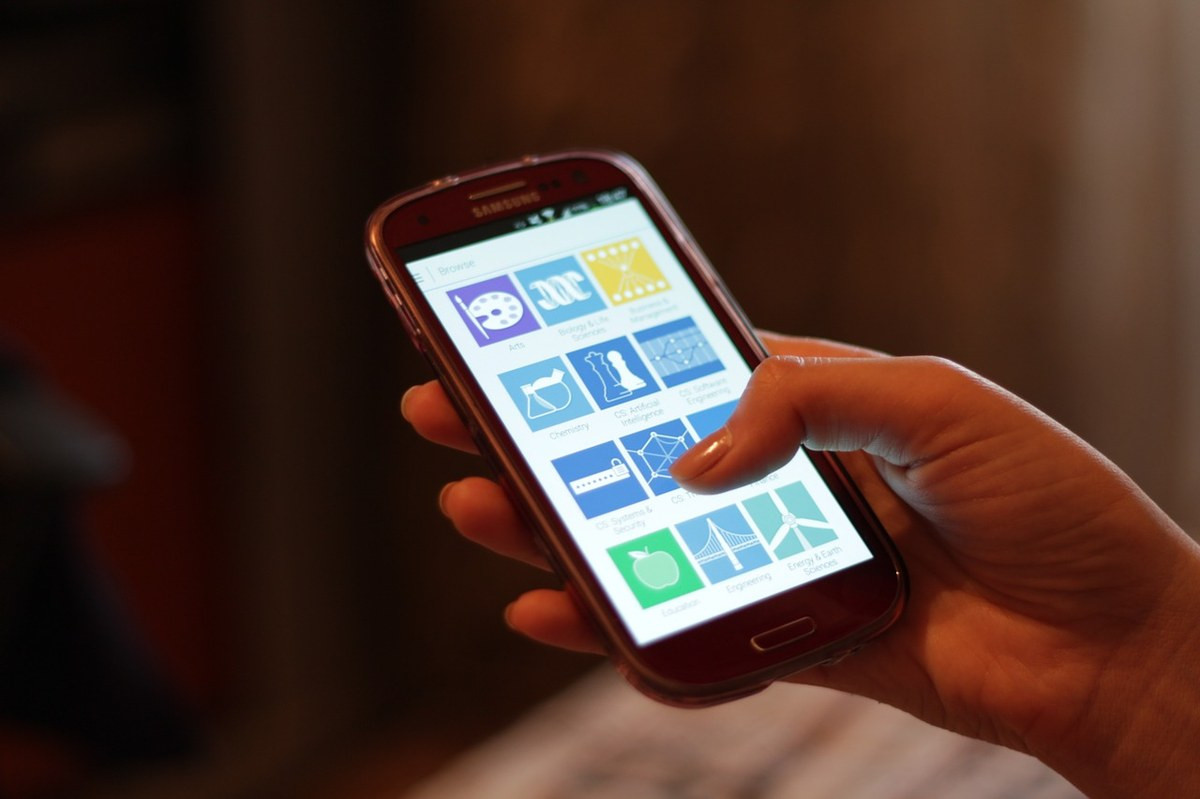
▲ 이동통신 단말기 약정 만료 후 매달 25% 요금 할인 혜택을 챙기기 위해 스마트폰 통신 설정을 확인하는 이용자 (보도 자료)
2. 공시지원금 vs 선택약정: 완전히 정반대인 위약금(할인반환금) 곡선
약정 기간을 채우지 못하고 요금제를 낮추거나 통신사를 변경할 때 청구되는 위약금(할인반환금)은 최초 개통 방식에 따라 완전히 상반된 궤적을 그립니다. 공시지원금 개통 시 위약금은 초기 6개월(180일)까지 지원금 전액(100%)을 토해내야 하지만, 6개월이 지난 시점부터는 약정 만료일까지 매일 선형적으로 줄어드는 '내리막길 구조'를 가집니다. 18개월(551일)이 경과하면 잔여 위약금이 미미해지는 특성이 있습니다.
반면 선택약정 25% 할인은 정반대의 '포물선 구조'를 나타냅니다. 이용 초기에는 누적된 할인액이 적어 위약금이 낮지만, 시간이 흐를수록 할인액이 누적되어 약정 기간의 정중앙(12개월 약정은 6개월, 24개월 약정은 12개월차) 시점에 위약금이 최고점을 찍습니다. 이후 만료일에 다가가면서 잔여 기간 비율에 따라 감면되어 최종 0원에 수렴합니다. 즉, 선택약정 이용자는 약정의 절반이 경과한 시점에 해지할 때 가장 막대한 위약금을 물게 되므로 이 시기의 임의 해지를 절대 피해야 합니다.
약정이 수개월 남아 있는 상태에서 새 스마트폰으로 바꾸고자 할 때, 기존 위약금을 당장 납부하지 않고 다음 약정으로 넘기는 제도가 바로 '기기변경 위약금 유예(승계)'입니다. 위약금 유예는 위약금이 사라지는 '면제'가 아니며, 동일 통신사 전산에 확정기변으로 등록할 때만 적용됩니다. SK텔레콤은 공시지원금의 경우 잔여 약정 180일 이내, 선택약정은 잔여 기간에 상관없이 재약정 시 즉시 유예가 가능합니다. KT는 실사용 551일 이후 공시 유예가 가능하며, 선택약정은 신규 약정 기간이 기존 잔여 기간보다 길어야 유예됩니다. LG유플러스 역시 실사용 18개월 이후 기기변경 시 유예 혜택을 부여합니다.
여기서 가장 경계해야 할 함정은 '이중 위약금(Double Penalty)'의 위험입니다. 기존 위약금을 유예받은 상태에서 새 약정 기간이 만료되기 전에 번호이동을 하거나 회선을 해지할 경우, 유예되었던 과거 위약금과 새로 발생한 위약금이 한꺼번에 합산 청구되어 수십만 원의 요금 폭탄을 맞게 됩니다. 아울러 기존 단말기의 잔여 할부금이 남아 있다면 새 기기 할부금과 동시에 청구되므로, 기기변경 전 고객센터 앱을 통해 잔여 할부금과 유예 가능 여부를 반드시 서면 확인해야 합니다.
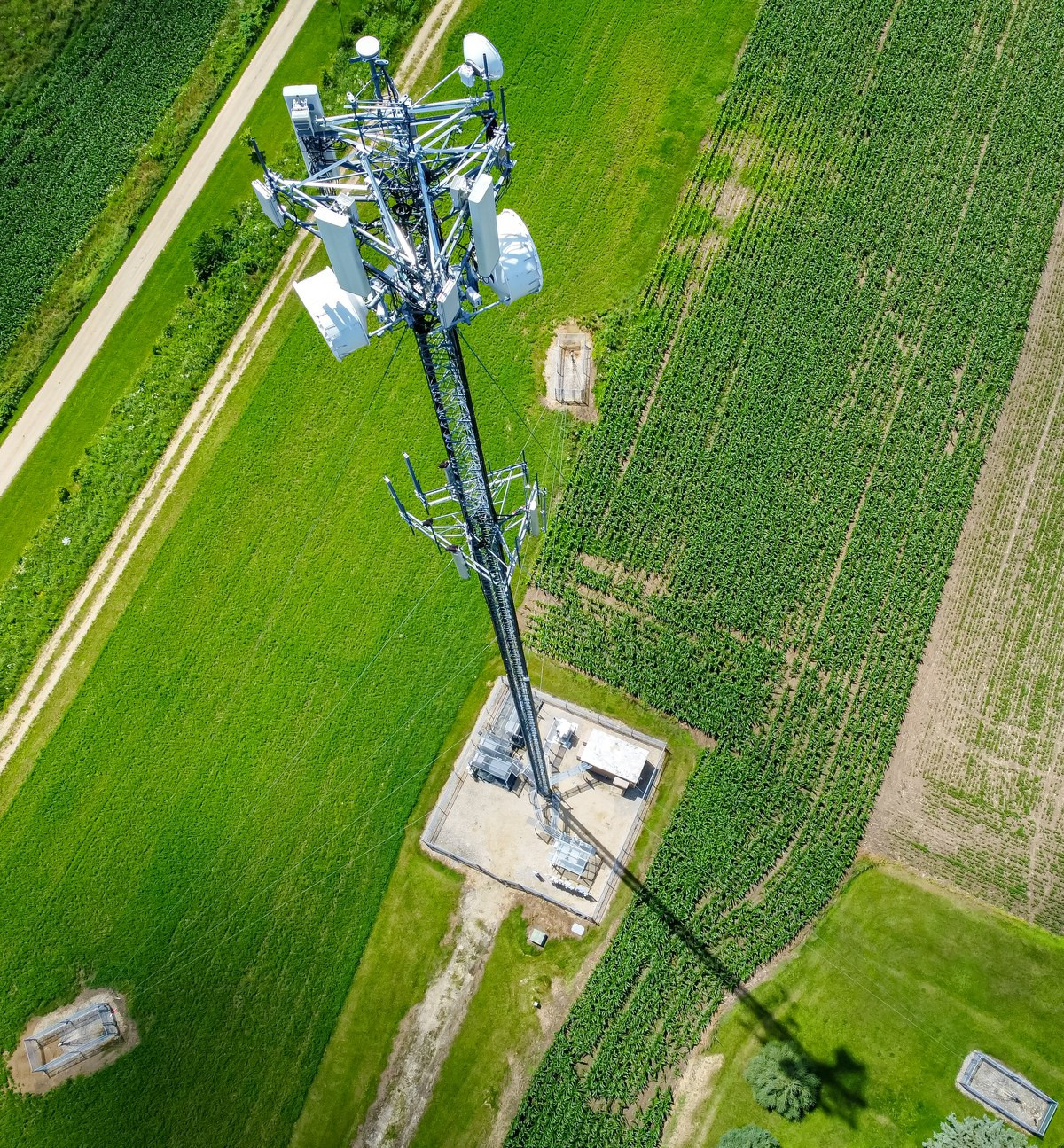
▲ 전국 5G 및 LTE 통신망 인프라를 구축하고 가입자 유치 및 위약금 유예 제도를 운영하는 이동통신 기지국 타워 전경 (보도 자료)
4. 정부 통신비 인하 정책과 잠자는 '통신 미환급금' 스마트초이스 수령법
🚨 신청 기한 및 주의사항 경고
가계 통신비 절감을 위해 정부가 단통법 개편과 함께 시행 중인 핵심 제도는 '5G·LTE 단말 요금제 교차 가입'입니다. 과거에는 5G 전용 스마트폰을 구매하면 값비싼 5G 요금제만 강제되었으나, 현재는 5G 단말기에서도 저렴한 LTE 요금제를 자유롭게 선택할 수 있습니다. 반대로 LTE 스마트폰 이용자도 데이터 단가가 저렴한 3만 원대 5G 세분화 요금제로 변경해 매월 수천 원에서 수만 원의 통신비를 즉각 다이어트할 수 있습니다.
마지막으로 반드시 챙겨야 할 숨은 권리는 '통신 미환급금'입니다. 번호이동이나 해지 정산 과정에서 발생한 이중납부액, 단말기 보증보험료 잔액 등 찾아가지 않은 돈이 매년 수백억 원에 달하며, 5년이 지나면 상법상 소멸시효로 인해 국고로 귀속됩니다. 한국통신사업자연합회가 운영하는 '스마트초이스(www.smartchoice.or.kr)'에 접속하면 회원가입 없이 주민번호 입력만으로 이동통신 3사와 알뜰폰(MVNO)의 미환급금을 한 번에 조회할 수 있으며, 본인 계좌를 입력하면 영업일 2~7일 이내에 전액 현금으로 입금받을 수 있습니다.
“Secure 25% Discounts Once Contracts Expire”: Telecom Penalty Deferrals and Unclaimed Refund Masterclass
Securing a statutory 25 percent fee discount the moment a mobile contract expires represents the most vital financial checkpoint for household budget optimization. While contract expirations and device upgrades offer premier opportunities to drastically curb telecommunications outlays, millions of consumers forfeit entitlements or absorb punitive early termination fees due to obscure repayment formulas and disparate carrier deferral policies. This exhaustive guide analyzes the tactical superiority of 12-month renewals over 24-month commitments, contrasts linear device subsidy clawbacks with parabolic fee discount penalty curves, clarifies carrier-specific device upgrade deferrals across SK Telecom, KT, and LG U+, and details how to instantly reclaim dormant telecom refunds via SmartChoice.
📌 Key Takeaways
Exclusive 1-Year Commitment Superiority: Statutory 25% fee discount rates are identical across 1-year and 2-year terms, meaning 12-month renewals slash early cancellation risks by half.
Instant Unclaimed Refund Recovery via SmartChoice: Recover dormant overpayments and security deposits from terminated lines before 5-year commercial statutes of limitation expire.
Codified under Article 32-11 of the Telecommunications Business Act, the Selective Contract Discount mandates a statutory 25 percent reduction on monthly telecommunications service fees for subscribers who do not receive device acquisition subsidies. This legal entitlement extends universally to purchasers of unlocked open-market devices, imported hardware, and existing subscribers whose initial 24-month subsidy contracts have matured.
The most prevalent consumer misconception is the belief that committing to a 24-month duration yields superior discounts compared to a 12-month agreement. In reality, the statutory discount rate is precisely identical at 25 percent across both durations. Conversely, should unexpected lifestyle adjustments, device damage, or hardware upgrades necessitate early termination, a two-year commitment doubles the duration of penalty exposure. Consequently, regulatory guidance strongly advises executing annual 12-month renewals or utilizing the government-sponsored '1+1 Pre-Registration Framework,' which matches two-year savings while cutting structural penalty liabilities by 50 percent.
▲ Official Press Archive & Contextual Documentation
2. Device Subsidies versus Fee Discounts: Reconciling Opposing Penalty Trajectories
Early termination liabilities (clawback charges) demonstrate radically divergent mathematical trajectories depending on whether an account was activated via device subsidies or monthly fee discounts. Device acquisition subsidies follow a linear cliff: terminating service within the initial six months (180 days) triggers a 100 percent refund of total disbursed subsidies, after which liability amortizes linearly on a daily schedule until reaching zero at contract completion. After 18 months (551 days), residual penalties diminish to nominal levels.
Conversely, the 25 percent fee discount follows a parabolic penalty curve. Cumulative discount savings are modest during preliminary billing cycles, resulting in negligible initial liabilities. However, as cumulative savings accrue over time, financial penalties apex precisely at the contract midpoint (month 6 in 1-year contracts, month 12 in 2-year contracts). While liabilities subsequently taper toward expiration, subscribers terminating service near the midpoint encounter peak clawback penalties. Navigating this dynamic requires strict adherence to scheduled renewal milestones.
Category
Target Scope
Standard / Benefit
Procedure / Action
One-Year Select Contract
25% Discount on Fees (Same as Two-Year Contract)
Maximum Penalty at Six Months into the Contract
50% Reduction in Early Termination Penalty Risk (Strongly Recommended)
Two-Year Select Contract
25% Discount on Fees (Same as One-Year Contract)
Maximum Penalty at Twelve Months into the Contract
Accumulated Penalty Period Twice as Long, Unfavorable for Consumers
Public Support Fund Activation
Direct Support for Device Retail Price
100% Refund within Six Months Post Activation
Most Penalties Expire After 18 Months (551 Days)
Device Change Penalty Deferral
Carried Over When Renewing with the Same Carrier
Not a Waiver of Penalty, Simply a Deferral
"Double Penalty" Charged if Terminated Before New Contract Expires
Smart Choice Unrefunded Amount
Unreceived Amount After Termination or Number Porting
Reverts to National Treasury After Five Years
Cash Deposit into Designated Bank Account After Identity Verification
3. Carrier Upgrade Deferral Criteria and the Severe Dual-Penalty Hazard
When subscribers upgrade to next-generation hardware while several months remain on existing commitments, carrier-sponsored 'Penalty Deferral Protocols' allow unpaid liabilities to rollover into subsequent contracts. Crucially, deferral represents accounting postponement rather than legal debt forgiveness, applying exclusively when executing authorized upgrades within the identical carrier ecosystem. SK Telecom authorizes subsidy deferrals within 180 days of expiration and fee discount deferrals unconditionally upon renewal. KT requires 551 days of active service for subsidy rollovers, while LG Uplus authorizes deferrals past 18 months of continuous service.
The primary operational peril within deferral protocols is the 'Double Penalty Trap.' If a subscriber executes a carrier switch (number porting) or terminates lines prior to fulfilling the newly established contract, both the rolled-over legacy penalty and the secondary early termination fee trigger simultaneously, yielding catastrophic compounded billing. Furthermore, unamortized hardware installment balances persist alongside new equipment charges, necessitating written balance verification via carrier portals prior to executing upgrades.
▲ Institutional Field Data & Media Archive
4. National Regulatory Modernization and Reclaiming Dormant Telecom Refunds
To institutionalize structural relief across consumer communication expenditure, national regulatory amendments ratified 'Cross-Generation Plan Interoperability.' Historically, purchasing 5G-capable devices legally bound consumers to designated high-tier 5G plans. Under revised statutory terms, consumers operating 5G terminals may freely adopt cost-effective LTE tier structures, while LTE terminal operators can access partitioned entry-level 5G tariffs starting within the 30,000 KRW bracket, generating immediate recurring savings.
Finally, subscribers must exercise their statutory rights regarding 'Dormant Telecommunications Overpayments.' Following carrier porting or service termination, billing miscalculations and unreturned security deposits accumulate into vast institutional reserves that legally forfeit to the national treasury after five years under commercial statutes of limitation. Through the Korea Association of Information & Telecommunication (KAIT) portal 'SmartChoice' (www.smartchoice.or.kr), citizens can execute unified account audits across tier-one carriers and MVNO networks without formal membership, routing verified cash surpluses directly into designated banking accounts within two to seven business days.
Recommended Deep-Dive Investigations TOP 3
GLOBAL REPORT
Computer Programmer who love programming.
Computer Programmer Who love Riding Bicycle.
Computer Programmer who love trip in abroad.
Computer Programmer who love studying about programming
- even if sometimes it's very boring.
Computer Programmer who love talking with person.
- I love communication with person.
1월이 시작되면 감기는 이미 우리 곁에 와 있습니다. 2월, 3월, 4월까지 이어지는 추위와 건조함은 코와 목을 가장 먼저 공격합니다. 아침에 일어나자마자 막혀 있는 코. 계속 흐르는 콧물. 괜히 칼칼해지는 목. 이 증상은 “시작”일 뿐입니다. 한 번 무너지면 일주일, 길면 한 달까지 끌고 갑니다. 약을 먹으면 잠깐 괜찮아집니다. 하지만 며칠 뒤 또 반복됩니다. 왜일까요? 감기는 ‘치료’의 문제가 아니라 ‘관리’의 문제이기 때문입니다. 대부분은 감기가 오고 나서 약을 찾습니다. 하지만 진짜 중요한 건 감기가 오기 전에 코와 목을 지키는 것입니다. 건조한 실내 공기, 차가운 바깥 공기, 눈에 보이지 않는 세균. 코와 목은 매일 공격받고 있습니다. 지긋지긋하죠! 그런데도 우리는 아무 준비 없이 버티고 있습니다. 이번 겨울도 그렇게 보낼 건가요? 사실 방법은 어렵지 않습니다. 코를 깨끗하게 관리하고, 목을 따뜻하게 보호하고, 점막을 촉촉하게 유지하고, 기관지를 미리 관리하고, 외부 공기를 차단하는 것. 이 다섯 가지만 꾸준히 해도 감기약 없이 겨울을 보내는 것이 충분히 가능합니다. 🔥 이제부터 그 방법을 하나씩 살펴보겠습니다. 🔥 1. 코와 목을 먼저 관리해야 하는 과학적 이유 감기의 대부분은 코 점막에서 시작됩니다. 국제 학술지 Nature Reviews Microbiology 와 Journal of Allergy and Clinical Immunology 에 실린 호흡기 감염 관련 연구들에서는, 감기 바이러스가 비강 상피세포에 먼저 부착해 증식한다는 점을 설명하고 ...
리모델링사업이 진행 중인 아파트를 매매할 때 “계약금 10%를 언제까지 내야 하느냐”는 질문이 특히 많이 나옵니다. 이주공고(이주 안내)가 7~11월쯤이라고 들으면, 그 시점에 맞춰 계약금도 움직일 것 같아서 더 헷갈리기 쉽습니다. 하지만 실제 납부기한은 ‘이주공고가 언제냐’만으로 자동 결정되지 않는 경우가 많습니다. 1) 계약금 10% 납부기한: 결국 ‘문서에 적힌 일정’이 기준 계약금 10%를 언제까지 납부해야 하는지는, 내가 서명하는 매매계약서(특약 포함) 와 사업주체/조합이 제시한 공고·안내문 에 적힌 납부 일정이 기준이 됩니다. 실제 공고문에서는 분양대금 납부의 큰 틀(계약금→중도금→잔금)을 먼저 안내하고, 상세 일정은 별도 표나 유의사항으로 제시하는 방식이 흔합니다. 또, 계약서 문구에 따라 지급 시점이 조건부로 설정될 수도 있습니다. 예를 들어 한 사례 소개 자료에서는 용역계약서에 잔금(10%) 지급시기가 “사업승인 후”로 기재되어 있었다는 점이 언급됩니다. 이런 식으로 ‘사업 단계’와 지급을 연동하는 문구가 들어가면, 질문의 답은 계약서 문구를 확인해야만 확정됩니다. 관련 내용은 링크 에서 문구 사례를 확인할 수 있습니다. 2) 입주자모집공고에서 확인되는 ‘납부 순서’와 잔금 마감 시점 공고문에 적힌 문구를 보면, 납부 순서와 잔금 마감에 대한 기준이 비교적 명확하게 제시되는 경우가 있습니다. 예를 들어 한 입주자모집공고에는 “분양금액(주택가격)은 계약금, 중도금, 잔금의 순서로 납부”하며 “잔금은 입주(열쇠 수령일) 전에 완납”해야 한다고 안내되어 있습니다. (문구 확인: 링크 ) 이 문구가 의미하는 바는 최소 2가지입니다. 분양/공급 형태의 문서에서는 ‘계약금→중도금→잔금’ 흐름이 공식적으로 안내될 수 있습니다. 잔금은 “입주(열쇠 수령)” 이전에 완납해야 한다는 마감 기준이 문서에 적혀 있을 수 있습니다. 다만, 위 공고문 문구는 잔금 마감에 대한 기준을 보여주지만, 계약금 10%의...
윤석열 전 대통령 탄핵 인용 소식을 접하면, 가장 궁금한 지점은 ‘헌재가 정확히 무엇을 위헌·위법으로 봤는가’입니다. 또한 탄핵과 별개로 진행되는 형사재판(내란 우두머리 혐의 등)이 어디까지 왔는지도 함께 정리할 필요가 있습니다. 아래 내용은 제공된 기사/게시물 스니펫과 링크에서 확인되는 범위만 모아, 일반인이 흐름을 이해하기 쉽게 정리한 것입니다. 1) 탄핵 인용 관련: 스니펫에서 확인되는 ‘판단의 골격’ 제공된 근거 중 조국혁신당 사이트에는 헌법재판소가 윤석열 탄핵 심판에서 “피청구인의 위헌·위법행위는 국민 신임 …”이라는 취지로 판단했다는 문장이 인용돼 있습니다( 링크 ). 이 인용문만 놓고 보면, ‘위헌·위법행위’가 있었는지와 그로 인해 ‘국민의 신임’이 어떻게 평가됐는지가 핵심 축으로 소개됩니다. 다만 질문에서 요청하신 세부 항목, 즉 비상계엄 선포 자체를 문제 삼은 구체적 이유, 계엄 이후 조치(포고령, 국회 통제 등)의 어떤 지점이 헌법 위반인지, 국회의 권한행사 방해 및 정치활동 제약을 어떤 논리로 판단했는지 등은, 이번에 제공된 근거의 제목/스니펫만으로는 조항·사실관계·판단 구조가 그대로 제시돼 있지 않습니다. 따라서 이 글에서는 ‘헌재가 무엇을 문제 삼았다’는 세부 리스트를 단정적으로 재구성하기보다, 현재 확인 가능한 문구 수준의 요약(위헌·위법행위 → 국민 신임의 문제로 평가)까지만 적습니다. 만약 헌재 결정문 전문(주문 및 이유)이 추가로 확인되면, 그때는 문장 단위로 ‘어떤 행위’와 ‘어떤 헌법 원리/조항’이 연결되는지(예: 권력분립, 국회의 권한, 정치적 기본권 등) 구조화해 정리하는 것이 가장 정확합니다. 2) 형사 절차(내란 혐의) 관련: 체포영장과 1심 선고 언급 탄핵 심판과 별도로, 12·3 비상계엄 사태로 내란 혐의를 받는 윤석열 대통령에 대해 2024년 12월 31일 체포 영장이 발부됐다는 BBC 보도가 있습니다( 링크 ). 해당 보도는 ‘현직 대통령’에 대한 체포영장 발부라는 점을 함께 언급합니다. 또...





0 댓글