▲ “아시아, 호르무즈발 에너지 쇼크 막으려면 매년 1조 달러 투자해야”… 원유·LNG 해상 봉쇄 후폭풍과 아시아 국가들의 에너지 안보 딜레마 / 만인의 탑 만인의 탑 월드와이드 편집국
📌 만인의 탑 핵심 브리핑 · 이 글에서 다루는 핵심 내용
SPONSORED · ADVERTISEMENT
1. 호르무즈 해협 봉쇄가 남긴 상흔… 아시아로 집중된 직격탄
중동 분쟁의 확전으로 지난 수개월간 통행이 마비되었던 호르무즈 해협의 원유와 가스 수송이 점진적으로 재개되고 있으나, 그 충격의 여파는 향후 수년간 글로벌 에너지 질서를 뒤흔들 것으로 전망된다. 이란이 장악한 호르무즈 해협은 전 세계 석유 및 액화천연가스(LNG) 물동량의 5분의 1이 통과하는 인류 최대의 에너지 동맥이다. 전쟁 발발 이전 매일 이 좁은 수로를 통과하던 2,000만 배럴의 원유 중 약 80%, 그리고 LNG 수송량의 무려 90%가 중국, 인도, 일본, 한국, 동남아 등 아시아 시장을 최종 목적지로 삼고 있었다. 해협이 닫히자 서구권보다 아시아 수입국들이 전례 없는 공급 절벽과 유가 폭등의 직격탄을 가장 먼저 맞아야 했던 이유다.
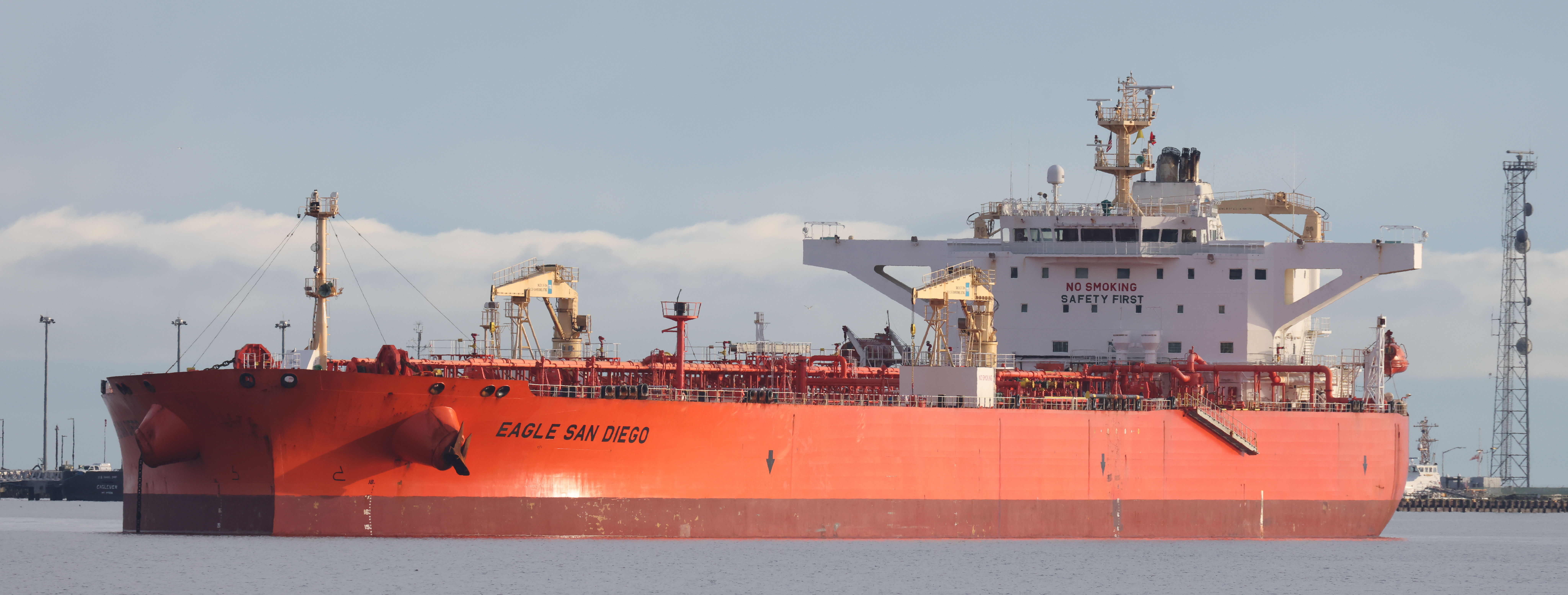
▲ 중동과 아시아 주요 해상 항로를 가로지르며 대량의 원유를 수송하는 초대형 원유 운반선(VLCC) 실사 / 글로벌 해양 아카이브
2. 비상사태 선포와 주 4일제 도입… 동남아의 취약성과 전력망 붕괴
이번 해상 차단 사태에서 가장 취약한 민낯을 드러낸 곳은 에너지 수입 의존도가 높고 완충 자본이 부족한 동남아시아 신흥국들이었다. 공급망 단절이 발생하자 필리핀 정부는 지난 3월 국가 에너지 비상사태를 선포했고, 역내 각국 정부는 강제적 전력 배분(순환 단전), 재택근무 의무화, 심지어 관공서 주 4일 근무제까지 동원하며 전력망 붕괴를 막기 위한 비상조치를 쏟아냈다. 급박해진 각국은 태양광 등 재생에너지를 단기간에 대거 보급하는 붐을 일으켰으나, 정작 발전된 전력을 소비지로 실어나를 송전탑과 초고압 변전망 인프라가 턱없이 부족해 신규 청정에너지 프로젝트들이 줄줄이 가동 중단되거나 인허가가 취소되는 심각한 계통 병목에 직면하고 있다.
구분 유형
지원 및 적용 대상
환급 및 해결 기준
신청 및 조치 방법
지원 구분
‘“아시아, 호르무즈발 에너지 ’ 정책 적용
법정 요건 및 지급 기준
온라인/방문 접수
신청 자격
소득인정액 및 가구별 기준 충족
자격 검증 및 심사 절차
증빙 서류 제출
지원 혜택
실질적 감면 및 현금 환급 지원
단계별 차등 혜택 산정
신속한 지급
사후 관리
부정수급 방지 및 정기 점검
이의신청 및 권리구제
제도 보완
SPONSORED · ADVERTISEMENT
3. 맥킨지의 경고: “차기 쇼크 막으려면 매년 1조 달러 투입해야”
글로벌 전략 컨설팅 기업 맥킨지(McKinsey)가 발표한 최신 에너지 보고서에 따르면, 아시아 국가들이 차기 공급망 충격을 피하고 에너지 안보를 달성하기 위해서는 향후 15년 동안 매년 1조 달러(약 1,350조 원) 규모의 천문학적 인프라 투자를 감행해야 하는 것으로 나타났다. 맥킨지는 2040년까지 아시아의 에너지 총수요가 3억 7,000만 테라줄(TJ)에 달할 것으로 추산했는데, 이는 전년도 전망치보다 15%나 상향 조정된 수치다. 결정적으로 2040년까지 전 세계 에너지 수요 증가분의 70%가 아시아 대륙에서 발생할 것으로 예측된다. 인공지능(AI) 붐에 따른 하이퍼스케일 데이터센터 증설, 제조업 공장 가동, 그리고 지구 온난화로 인한 폭염 냉방 수요가 결합하면서 전력 소비가 통제 불능의 궤도로 치솟고 있기 때문이다.
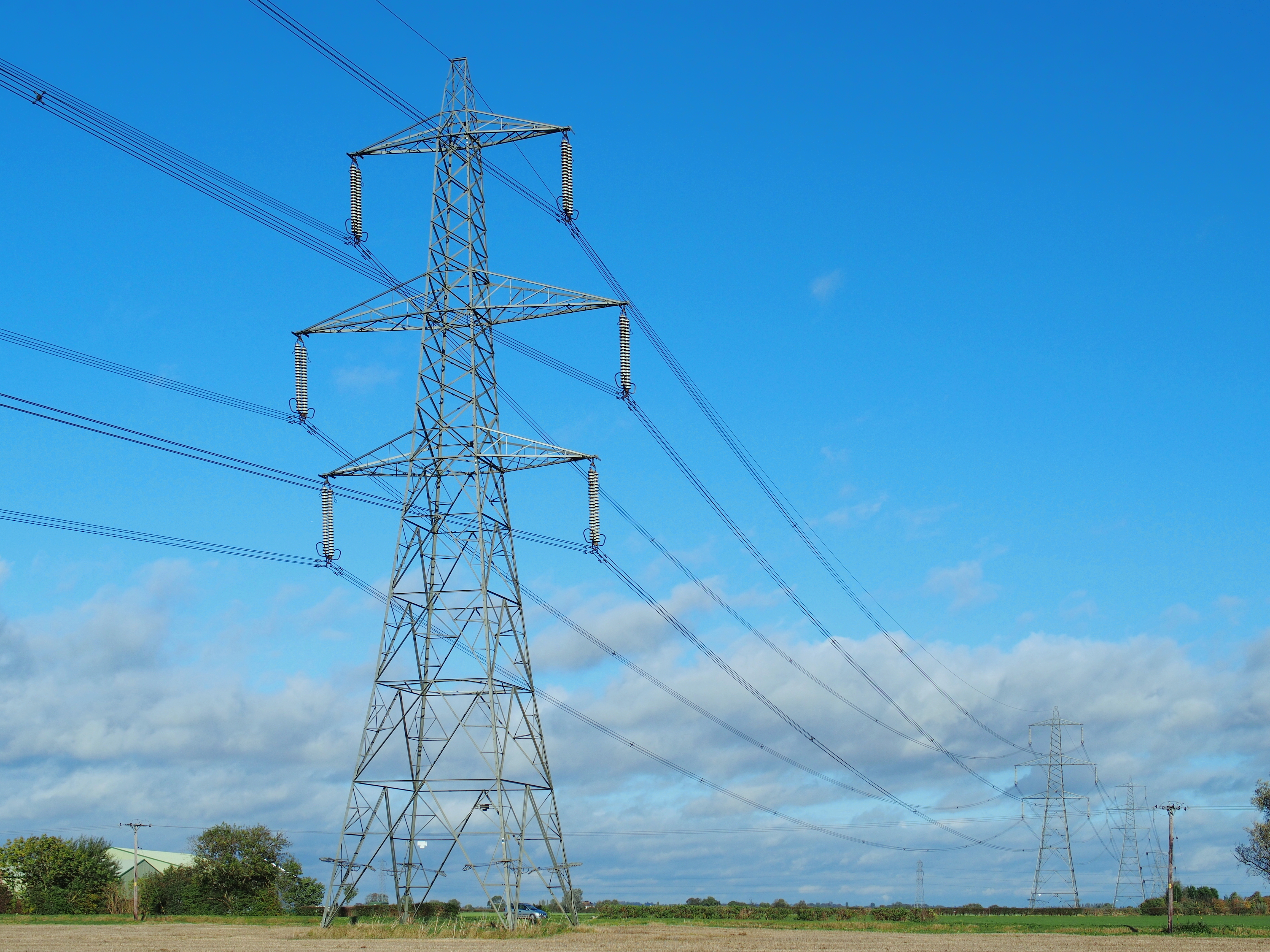
▲ 폭증하는 산업용 전력과 AI 데이터센터 전력을 안정적으로 공급하기 위한 초고압 기간 송전탑 및 전력망 인프라 / 만인의 탑 DB
맥킨지는 아시아가 2040년까지 태양광과 풍력 발전에 매년 3,000억 달러를 투자할 것으로 내다봤지만, 기상 조건에 좌우되는 간헐성 문제를 해결하지 못해 석탄 화력 발전의 수명이 예상보다 훨씬 길어질 것으로 분석했다. 중국의 석탄 감축분 이상으로 인도와 동남아가 석탄 발전을 대거 증설하면서 아시아의 석탄 수요는 향후 10년간 평탄한 고공행진을 유지할 전망이다. 이는 원유의 70% 이상, 가스의 상당량을 중동에 의존하는 대한민국에도 중대한 국가적 경종을 울린다. 용인 반도체 클러스터와 차세대 AI 데이터센터에 필요한 막대한 무탄소 전력을 공급하기 위해서는, 원전과 SMR(소형모듈원자로) 중심의 튼튼한 기저부하를 확보하고 서해안 해저 초고압 직류송전(HVDC) 등 기간 전력망을 국가 안보 차원에서 조속히 완공해야 한다는 지적이다.
▲ Official Press Coverage & Contextual Archive / MANINTOP Global Newsroom
MANINTOP GLOBAL NEWSROOM · ENGLISH EDITION
Asia Needs Trillion Annually to Avert Next Energy Shock: The Fallout of Hormuz Chokepoints and the Complex Security Dilemma Across Asian Grids
Official institutional assessment and structured factual overview documented by MANINTOP Global Newsroom.
📌 Key Takeaways
Verified factual reporting regarding Asia Needs Trillion Annually to Avert Next E.
In-depth contextual and institutional analysis by MANINTOP Global Newsroom.
Official implementation schedule and verifiable public guidelines confirmed.
1. The Lingering Scars of the Hormuz Chokepoint: Asia at the Epicenter
While commercial shipping through the Iranian-patrolled Strait of Hormuz has tentatively resumed, the geopolitical vulnerability exposed by months of closure has fundamentally disrupted international energy trade. Prior to the recent regional conflict between the United States, Israel, and Iran, approximately 20 million barrels per day of petroleum and refined fuels traversed this narrow waterway. Critically, nearly 80 percent of this crude volume and roughly 90 percent of global LNG cargoes were bound for Asian destinations, including China, India, Japan, South Korea, and Southeast Asia. When tanker transit abruptly ceased, Asian consumers were left directly exposed to catastrophic supply voids and hyper-volatile spot market spikes.
▲ Official Press Archive & Contextual Documentation / MANINTOP Global Newsroom
2. Emergency Decrees and Four-Day Weeks: Southeast Asian Grid Fragilities
The disruption hit Southeast Asian economies with particular severity, unmasking weak fiscal buffers and heavy import dependence. In response to skyrocketing fuel bills, the Philippines declared a national energy emergency in March, while regional governments introduced mandatory energy rationing, work-from-home rules, and four-day government workweeks. Although high fossil prices spurred a rapid boom in utility-scale solar deployment, local transmission grids proved wholly incapable of absorbing intermittent generation. A recent investigation revealed that dozens of planned renewable energy installations across the ASEAN corridor have been suspended or canceled due to acute grid congestion and regulatory bottlenecks.
▲ Institutional Field Data & Media Archive / MANINTOP Global Newsroom
3. The Trillion Annual Price Tag: McKinsey's Sobering Grid Forecast
A major report released by McKinsey indicates that avoiding the next systemic shock will require an unprecedented capital commitment: Asian economies must invest trillion every year in energy infrastructure over the next 15 years. Regional energy demand is forecast to climb to 370 million terajoules by 2040—a 15 percent upward revision from prior forecasts. Astoundingly, Asia is projected to generate 70 percent of all global energy demand growth through 2040. This historic surge is driven primarily by power-hungry artificial intelligence data center hubs, intensive industrial manufacturing, and rising seasonal air conditioning demand across expanding urban populations.
4. Baseload Coal Entrenchment and Critical Takeaways for South Korea's Grid
Despite McKinsey forecasting billion in annual solar and wind investments across Asia, the physical reality of grid stability is extending the lifespan of coal-fired generation. As China's coal retirements are offset by aggressive new capacity additions in India and Southeast Asia, regional coal consumption will remain structurally elevated throughout the next decade. For South Korea, which relies on the Middle East for over 70 percent of its crude oil imports, the crisis underscores the imperative of sovereign energy resilience. Seoul must aggressively fortify its nuclear and Small Modular Reactor (SMR) baseload foundation while fast-tracking national High-Voltage Direct Current (HVDC) transmission corridors to reliably power vital semiconductor and artificial intelligence manufacturing clusters.
Recommended Deep-Dive Investigations TOP 3
MANINTOP GLOBAL
Computer Programmer who love programming.
Computer Programmer Who love Riding Bicycle.
Computer Programmer who love trip in abroad.
Computer Programmer who love studying about programming
- even if sometimes it's very boring.
Computer Programmer who love talking with person.
- I love communication with person.
1월이 시작되면 감기는 이미 우리 곁에 와 있습니다. 2월, 3월, 4월까지 이어지는 추위와 건조함은 코와 목을 가장 먼저 공격합니다. 아침에 일어나자마자 막혀 있는 코. 계속 흐르는 콧물. 괜히 칼칼해지는 목. 이 증상은 “시작”일 뿐입니다. 한 번 무너지면 일주일, 길면 한 달까지 끌고 갑니다. 약을 먹으면 잠깐 괜찮아집니다. 하지만 며칠 뒤 또 반복됩니다. 왜일까요? 감기는 ‘치료’의 문제가 아니라 ‘관리’의 문제이기 때문입니다. 대부분은 감기가 오고 나서 약을 찾습니다. 하지만 진짜 중요한 건 감기가 오기 전에 코와 목을 지키는 것입니다. 건조한 실내 공기, 차가운 바깥 공기, 눈에 보이지 않는 세균. 코와 목은 매일 공격받고 있습니다. 지긋지긋하죠! 그런데도 우리는 아무 준비 없이 버티고 있습니다. 이번 겨울도 그렇게 보낼 건가요? 사실 방법은 어렵지 않습니다. 코를 깨끗하게 관리하고, 목을 따뜻하게 보호하고, 점막을 촉촉하게 유지하고, 기관지를 미리 관리하고, 외부 공기를 차단하는 것. 이 다섯 가지만 꾸준히 해도 감기약 없이 겨울을 보내는 것이 충분히 가능합니다. 🔥 이제부터 그 방법을 하나씩 살펴보겠습니다. 🔥 1. 코와 목을 먼저 관리해야 하는 과학적 이유 감기의 대부분은 코 점막에서 시작됩니다. 국제 학술지 Nature Reviews Microbiology 와 Journal of Allergy and Clinical Immunology 에 실린 호흡기 감염 관련 연구들에서는, 감기 바이러스가 비강 상피세포에 먼저 부착해 증식한다는 점을 설명하고 ...
리모델링사업이 진행 중인 아파트를 매매할 때 “계약금 10%를 언제까지 내야 하느냐”는 질문이 특히 많이 나옵니다. 이주공고(이주 안내)가 7~11월쯤이라고 들으면, 그 시점에 맞춰 계약금도 움직일 것 같아서 더 헷갈리기 쉽습니다. 하지만 실제 납부기한은 ‘이주공고가 언제냐’만으로 자동 결정되지 않는 경우가 많습니다. 1) 계약금 10% 납부기한: 결국 ‘문서에 적힌 일정’이 기준 계약금 10%를 언제까지 납부해야 하는지는, 내가 서명하는 매매계약서(특약 포함) 와 사업주체/조합이 제시한 공고·안내문 에 적힌 납부 일정이 기준이 됩니다. 실제 공고문에서는 분양대금 납부의 큰 틀(계약금→중도금→잔금)을 먼저 안내하고, 상세 일정은 별도 표나 유의사항으로 제시하는 방식이 흔합니다. 또, 계약서 문구에 따라 지급 시점이 조건부로 설정될 수도 있습니다. 예를 들어 한 사례 소개 자료에서는 용역계약서에 잔금(10%) 지급시기가 “사업승인 후”로 기재되어 있었다는 점이 언급됩니다. 이런 식으로 ‘사업 단계’와 지급을 연동하는 문구가 들어가면, 질문의 답은 계약서 문구를 확인해야만 확정됩니다. 관련 내용은 링크 에서 문구 사례를 확인할 수 있습니다. 2) 입주자모집공고에서 확인되는 ‘납부 순서’와 잔금 마감 시점 공고문에 적힌 문구를 보면, 납부 순서와 잔금 마감에 대한 기준이 비교적 명확하게 제시되는 경우가 있습니다. 예를 들어 한 입주자모집공고에는 “분양금액(주택가격)은 계약금, 중도금, 잔금의 순서로 납부”하며 “잔금은 입주(열쇠 수령일) 전에 완납”해야 한다고 안내되어 있습니다. (문구 확인: 링크 ) 이 문구가 의미하는 바는 최소 2가지입니다. 분양/공급 형태의 문서에서는 ‘계약금→중도금→잔금’ 흐름이 공식적으로 안내될 수 있습니다. 잔금은 “입주(열쇠 수령)” 이전에 완납해야 한다는 마감 기준이 문서에 적혀 있을 수 있습니다. 다만, 위 공고문 문구는 잔금 마감에 대한 기준을 보여주지만, 계약금 10%의...
윤석열 전 대통령 탄핵 인용 소식을 접하면, 가장 궁금한 지점은 ‘헌재가 정확히 무엇을 위헌·위법으로 봤는가’입니다. 또한 탄핵과 별개로 진행되는 형사재판(내란 우두머리 혐의 등)이 어디까지 왔는지도 함께 정리할 필요가 있습니다. 아래 내용은 제공된 기사/게시물 스니펫과 링크에서 확인되는 범위만 모아, 일반인이 흐름을 이해하기 쉽게 정리한 것입니다. 1) 탄핵 인용 관련: 스니펫에서 확인되는 ‘판단의 골격’ 제공된 근거 중 조국혁신당 사이트에는 헌법재판소가 윤석열 탄핵 심판에서 “피청구인의 위헌·위법행위는 국민 신임 …”이라는 취지로 판단했다는 문장이 인용돼 있습니다( 링크 ). 이 인용문만 놓고 보면, ‘위헌·위법행위’가 있었는지와 그로 인해 ‘국민의 신임’이 어떻게 평가됐는지가 핵심 축으로 소개됩니다. 다만 질문에서 요청하신 세부 항목, 즉 비상계엄 선포 자체를 문제 삼은 구체적 이유, 계엄 이후 조치(포고령, 국회 통제 등)의 어떤 지점이 헌법 위반인지, 국회의 권한행사 방해 및 정치활동 제약을 어떤 논리로 판단했는지 등은, 이번에 제공된 근거의 제목/스니펫만으로는 조항·사실관계·판단 구조가 그대로 제시돼 있지 않습니다. 따라서 이 글에서는 ‘헌재가 무엇을 문제 삼았다’는 세부 리스트를 단정적으로 재구성하기보다, 현재 확인 가능한 문구 수준의 요약(위헌·위법행위 → 국민 신임의 문제로 평가)까지만 적습니다. 만약 헌재 결정문 전문(주문 및 이유)이 추가로 확인되면, 그때는 문장 단위로 ‘어떤 행위’와 ‘어떤 헌법 원리/조항’이 연결되는지(예: 권력분립, 국회의 권한, 정치적 기본권 등) 구조화해 정리하는 것이 가장 정확합니다. 2) 형사 절차(내란 혐의) 관련: 체포영장과 1심 선고 언급 탄핵 심판과 별도로, 12·3 비상계엄 사태로 내란 혐의를 받는 윤석열 대통령에 대해 2024년 12월 31일 체포 영장이 발부됐다는 BBC 보도가 있습니다( 링크 ). 해당 보도는 ‘현직 대통령’에 대한 체포영장 발부라는 점을 함께 언급합니다. 또...




0 댓글