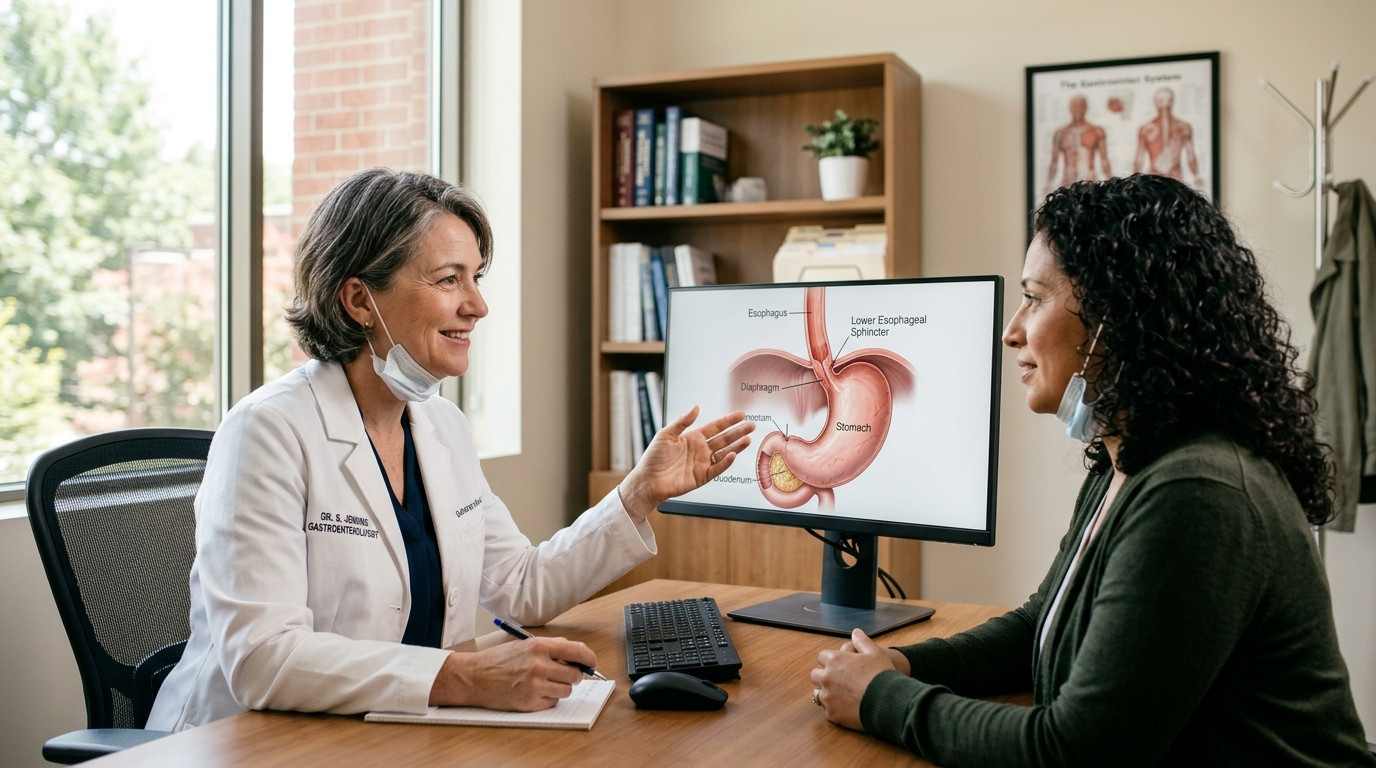
▲ 잠들기 직전 마시는 물 한 컵은 점성이 없어 누웠을 때 가장 쉽게 식도로 역류하며, 야간 속쓰림과 수면 단절을 촉발하는 주요 원인으로 지목된다. / 만인의 탑 DB
“자기 전 ‘물’ 마시면 안 된다”는 가정의학과 및 소화기내과 전문의들의 강력한 임상 경고가 나오며, 밤마다 속쓰림과 불면증으로 고통받던 현대인들의 오랜 수면 습관에 일대 전환이 요구되고 있다. 흔히 취침 전 물 한 컵이 혈액 순환을 돕고 심근경색을 예방한다는 대중적 상식과 달리, 소화 기능이 저하되었거나 위식도 점막이 손상된 환자에게는 야간 역류를 촉발하는 최악의 방아쇠가 된다는 분석이다.
1. "속 쓰려서 물 마셨는데 더 쓰려"… 야간 음수가 부르는 역류의 악순환
가정의학과 전문의들은 진료실을 찾는 역류성 식도염(GERD) 환자들 중 상당수가 취침 전 잘못된 수분 섭취 습관으로 증상을 스스로 악화시키고 있다고 지적한다. 저녁 식사 후 소화가 덜 된 상태에서 속이 더부룩하거나 가슴이 답답하다는 이유로 잠들기 직전 시원한 물을 한 컵 들이켜고 눕는 행동이 대표적이다.
음식물은 형태가 있고 일정한 점성을 지녀 위 속에서 머무는 경향이 있지만, 순수한 물은 물리적 저항이 전혀 없어 눕는 순간 가장 빠르고 쉽게 식도로 쏟아져 나온다. 결국 위장에 남아 있던 위산과 수분이 뒤섞여 느슨해진 하부식도괄약근(LES)을 통과해 식도 점막을 태우듯 자극하고, 이로 인해 환자는 극심한 흉통과 신물로 잠에서 깨어나게 된다. 문제는 쓰린 속을 진정시키려 다시 찬물을 마시고 눕는 행동을 반복하면서 식도 궤양과 수면 파괴의 악순환이 고착화된다는 점이다.
💡 [의학 브리프] 취침 전 '음수-역류 악순환'의 4단계 고리
저녁 소화불량 및 속쓰림 발생으로 찬물 1컵을 마시고 바로 눕게 되면, 물이 위산과 함께 식도로 역류하여 야간 통증으로 각성하게 됩니다. 이어 타는 목을 축이려 다시 물을 마시고 눕는 행위가 반복되며 식도 점막 손상이 만성화되는 악순환이 발생합니다.
2. 비만 체형의 '복압' vs 마른 체형의 '구부정한 자세'… 체형별 맞춤 처방
임상 현장에서는 역류성 식도염의 발병 기전이 환자의 체형에 따라 뚜렷하게 나뉜다고 설명한다. 첫 번째 유형은 복부 비만과 과체중이 있는 환자군이다. 이들은 야식이나 과식, 고지방식(라면, 돈가스, 치킨)을 즐기며 섭취 후 소화되지 않은 상태에서 눕는 습관이 누적되어, 복압 상승으로 인해 위 내용물이 위로 솟구치게 된다. 이들에게는 야식 금지와 함께 라면, 튀김류 등 고칼로리 기름진 식단을 절제하는 식습관 교정이 최우선 과제다.
반면 두 번째 유형은 체형이 마르고 식사량이 적은데도 만성적인 식도염에 시달리는 환자군이다. 이들은 위장 운동이 약해 소화가 잘 안 되다 보니 자극적인 매운 면 요리나 뜨거운 국물 요리를 즐기는 경향이 있다. 캡사이신과 고온의 국물은 위 점막을 직접 자극하며, 국물에 밥을 말아먹는 습관은 위액을 희석시켜 역류를 극대화한다.
▲ 마른 체형의 식도염 환자는 구부정한 자세로 인한 흉곽 압박을 해소하기 위해 상체 등 근육을 강화하고, 과체중 환자는 내장지방 감량과 야식 절제가 필수적이다. / 만인의 탑 DB
특히 마른 체형 환자 다수는 등이 구부정하고 흉곽이 좁아진 자세적 결함을 안고 있다. 상체가 앞으로 굽으면 복강 내부 용적이 줄어들며 위장이 압박받기 때문에, 등 근육(광배근 및 능형근)을 펴주는 교정 운동만으로도 위장 압박이 줄어들어 역류 증상이 눈에 띄게 완화된다.
3. 야간뇨와 수면 단절… 심혈관·신장 대사까지 흔드는 취침 직전 수분 부하
취침 전 수분 과다 섭취는 단순한 소화기 질환에 그치지 않고 수면 생리학과 심혈관 대사 전반을 위협한다. 잠자리에 들기 직전 마신 물은 체류 후 1~2시간 이내에 방광으로 이동해 야간뇨(Nocturia)를 유발한다.
새벽녘 소변이 마려워 잠에서 깨어나면 뇌의 깊은 델타파 수면(NREM 3단계)과 렘수면 주기가 강제로 파괴된다. 수면이 분절되면 교감신경계가 비정상적으로 흥분하면서 코르티솔과 에피네프린 등 스트레스 호르몬 분비가 치솟고, 이는 아침 기상 시 수축기 혈압 급상승(Morning Surge)으로 이어져 심근경색이나 뇌졸중 위험을 가중시킨다. 또한 누운 상태에서는 신장으로 혈류가 집중되는데, 수분 과잉은 신장의 여과 부담을 가중시키고 심장에 수액 과부하를 초래한다.
환자 체형 분류
주요 악화 요인
임상적 발병 메커니즘
전문의 권고 솔루션
복부비만·과체중형
잦은 야식, 튀김·라면 과식
내장지방에 의한 복강 내 압력 급증
취침 3시간 전 금식, 기름진 야식 절제
마른 체형·소식형
매콤한 국물 섭취, 구부정한 체형
흉곽 위축으로 위 압박, 점막 화학 자극
국물 끊기, 등 근육 강화 상체 펴기 운동
야간 음수 습관형
취침 직전 찬물 1~2컵 섭취
물리적 저항 없는 액체의 무중력 역류
취침 2시간 전 음수 차단, 소량 가글
수면 자세 취약형
완전 평평한 바닥 수면, 우측 와위
식도-위 접합부 위치 역전으로 산 누출
상체 15도 거상 수면, 좌측 와위 권장
4. 약 없이 역류성 식도염 끊어내는 '골든타임 2시간' 수분 섭취 가이드
전문의들은 위산분비억제제(PPI)나 제산제에 영구적으로 의존하기 전에 생활 속 수분 섭취 패턴을 바로잡는 것이 가장 안전하고 근본적인 치유책이라고 입을 모은다. 가장 핵심적인 원칙은 '취침 2시간 전 수분 컷오프(Cut-off)'다.
잠자리에 들기 2시간 전부터는 물, 음료수, 차, 과일 등 일체의 수분 섭취를 멈추어야 한다. 만약 잠들기 전 입안이 텁텁하거나 갈증이 심하게 느껴진다면, 찬물을 들이켜지 말고 미온수로 입안을 가볍게 헹궈 뱉어내거나 티스푼 한두 숟가락 정도의 물로 입술과 혀만 살짝 적셔주는 것으로 갈증 중추를 달래야 한다.
또한 낮 동안에 하루 1.5리터 안팎의 충분한 수분을 식간(식사 1시간 전후)에 규칙적으로 나누어 마셔 둠으로써, 밤늦게 체내 갈증이 몰려오지 않도록 수분 균형을 관리하는 지혜가 필요하다.
만인의 탑 보건의료 전문 에디토리얼
발행·편집인: 신승엽 (Seung Youb Ssin) | 만인의 탑 뉴스룸
▲ Consuming water immediately prior to sleep lacks viscosity, flowing upward through the lower esophageal sphincter and precipitating nocturnal heartburn and sleep disruption. / MANINTOP DB
“Do not drink water right before going to bed”: A decisive clinical warning issued by family medicine and gastroenterology specialists is prompting a critical reassessment of nocturnal hydration habits. While conventional wellness lore often champions a pre-sleep glass of water for blood viscosity reduction, medical authorities caution that in individuals with compromised digestion or weakened mucosal barriers, bedtime fluid intake operates as the single most potent trigger for acid reflux and cardiovascular sleep fragmentation.
1. The Vicious Cycle: How Pre-Sleep Hydration Aggravates Esophageal Acid Washing
Gastroenterologists report that many patients suffering from gastroesophageal reflux disease (GERD) unknowingly exacerbate their condition through counterproductive bedtime habits. Experiencing mild post-dinner indigestion or chest tightness, patients frequently gulp a full glass of cold water directly before lying down.
Unlike solid foodstuffs that possess physical density and viscosity to remain seated in the gastric cavity, pure water offers zero mechanical resistance and surges upward into the esophagus the moment the body turns recumbent. This tidal wave mixes with residual gastric hydrochloric acid, forcing open the relaxed lower esophageal sphincter (LES) and scalding the esophageal mucosa. Awakened by intense substernal burning and coughing, patients reflexively reach for more water to extinguish the flame, entrenching a destructive cycle of chronic inflammation and sleep loss.
💡 [Clinical Brief] The Four-Stage Nocturnal Hydration Trap
Mild gastric irritation prompts a glass of water before bedtime, which washes acid directly into the esophagus upon lying flat. Patients wake up coughing from substernal burning and drink more water to soothe the irritation, creating a chronic cycle of tissue damage and insomnia.
2. Intra-Abdominal Pressure vs Thoracic Slouching: Tailored Strategies by Body Morphology
Clinicians emphasize that reflux etiology diverges markedly based on physical morphology. The first cohort encompasses overweight individuals possessing elevated visceral adipose tissue. Habitual late-night eating, high-fat fast food, and immediate recumbency elevate intra-abdominal pressure, mechanically squeezing gastric contents past the diaphragm. Dietary discipline, eliminating late-night takeout, and reducing abdominal adipose tissue represent their primary corrective interventions.
Conversely, a distinct demographic comprises lean individuals with small appetites who nonetheless suffer relentless reflux. Impaired gastrointestinal motility often drives these patients toward ultra-spicy soups or boiling broths. Capsaicin and elevated temperatures irritate gastric nerves, while mixing cooked rice directly into spicy broth dilutes digestive enzymes and maximizes reflux volume.
▲ Lean patients benefit markedly from thoracic posture exercises that expand the upper ribcage, while overweight patients must focus on lowering visceral fat and eliminating late-night snacking. / MANINTOP DB
Crucially, lean patients frequently present with pronounced kyphotic posture and constricted thoracic volume. When the upper torso slouches forward, the compressed abdominal space constricts the stomach upward. Incorporating latissimus dorsi and rhomboid strengthening exercises opens the thoracic cage, dramatically easing mechanical stomach compression without pharmaceuticals.
3. Nocturia and Sleep Fragmentation: The Broader Metabolic Toll of Nighttime Fluid Loads
Over-hydrating right before bedtime inflicts damage far beyond localized esophageal tissues, fundamentally perturbing sleep architecture and autonomic regulation. Fluids ingested moments before sleep migrate into the bladder within 60 to 90 minutes, triggering nocturia.
Awakening to void forcefully aborts deep slow-wave delta sleep (NREM stage 3) and REM sequences. This sleep fragmentation overactivates the sympathetic nervous system, causing surges in cortisol and catecholamines that manifest as dangerous morning blood pressure spikes. Furthermore, recumbency redirects circulating blood volume toward the kidneys, turning nocturnal water loads into unnecessary filtration strain and cardiac preload excess.
Patient Morphology
Primary Driver
Clinical Pathomechanism
Targeted Clinical Solution
Visceral Adiposity
Late snacking, fried food, ramen
Severe intra-abdominal pressure elevation
Fast 3 hours pre-bed, curb fried meals
Lean & Slouched
Spicy broths, forward-head posture
Thoracic collapse squeezing gastric fundus
Stop hot broths, strengthen upper back
Bedtime Drinker
Chugging 1-2 cups of cold water
Zero-viscosity fluid washing upward
2-hour water cutoff, mouth rinse only
Recumbent Posture
Flat sleeping surface, right lateral
Esophagogastric junction drops below acid
Elevate head 15 degrees, left-side sleep
4. Breaking Free from Medication: The 'Two-Hour Golden Cut-off' Hydration Rule
Physicians emphasize that before becoming permanently dependent on proton pump inhibitors (PPIs) or antacids, recalibrating the timing of hydration offers the safest, most durable curative foundation. The golden rule is the 'Two-Hour Pre-Bed Water Cut-off'.
All liquid consumption—including water, sodas, herbal teas, and high-water fruits—must cease strictly two hours before sleep. If throat dryness or intense thirst arises late in the evening, individuals should avoid gulping water. Instead, rinsing the oral cavity with lukewarm water and spitting it out, or sipping a single teaspoon of water to moisten the mucosal lining, satisfies central osmoreceptors without overloading the stomach.
Finally, consuming approximately 1.5 liters of clean water distributed between meals during daytime hours prevents evening dehydration, securing restful sleep and protecting esophageal vitality.
MANINTOP Public Health Editorial Board
Publisher & Editor-in-Chief: Seung Youb Ssin | MANINTOP Global Newsroom
Recommended Deep-Dive Investigations TOP 3
MANINTOP GLOBAL
Computer Programmer who love programming.
Computer Programmer Who love Riding Bicycle.
Computer Programmer who love trip in abroad.
Computer Programmer who love studying about programming
- even if sometimes it's very boring.
Computer Programmer who love talking with person.
- I love communication with person.
1월이 시작되면 감기는 이미 우리 곁에 와 있습니다. 2월, 3월, 4월까지 이어지는 추위와 건조함은 코와 목을 가장 먼저 공격합니다. 아침에 일어나자마자 막혀 있는 코. 계속 흐르는 콧물. 괜히 칼칼해지는 목. 이 증상은 “시작”일 뿐입니다. 한 번 무너지면 일주일, 길면 한 달까지 끌고 갑니다. 약을 먹으면 잠깐 괜찮아집니다. 하지만 며칠 뒤 또 반복됩니다. 왜일까요? 감기는 ‘치료’의 문제가 아니라 ‘관리’의 문제이기 때문입니다. 대부분은 감기가 오고 나서 약을 찾습니다. 하지만 진짜 중요한 건 감기가 오기 전에 코와 목을 지키는 것입니다. 건조한 실내 공기, 차가운 바깥 공기, 눈에 보이지 않는 세균. 코와 목은 매일 공격받고 있습니다. 지긋지긋하죠! 그런데도 우리는 아무 준비 없이 버티고 있습니다. 이번 겨울도 그렇게 보낼 건가요? 사실 방법은 어렵지 않습니다. 코를 깨끗하게 관리하고, 목을 따뜻하게 보호하고, 점막을 촉촉하게 유지하고, 기관지를 미리 관리하고, 외부 공기를 차단하는 것. 이 다섯 가지만 꾸준히 해도 감기약 없이 겨울을 보내는 것이 충분히 가능합니다. 🔥 이제부터 그 방법을 하나씩 살펴보겠습니다. 🔥 1. 코와 목을 먼저 관리해야 하는 과학적 이유 감기의 대부분은 코 점막에서 시작됩니다. 국제 학술지 Nature Reviews Microbiology 와 Journal of Allergy and Clinical Immunology 에 실린 호흡기 감염 관련 연구들에서는, 감기 바이러스가 비강 상피세포에 먼저 부착해 증식한다는 점을 설명하고 ...
리모델링사업이 진행 중인 아파트를 매매할 때 “계약금 10%를 언제까지 내야 하느냐”는 질문이 특히 많이 나옵니다. 이주공고(이주 안내)가 7~11월쯤이라고 들으면, 그 시점에 맞춰 계약금도 움직일 것 같아서 더 헷갈리기 쉽습니다. 하지만 실제 납부기한은 ‘이주공고가 언제냐’만으로 자동 결정되지 않는 경우가 많습니다. 1) 계약금 10% 납부기한: 결국 ‘문서에 적힌 일정’이 기준 계약금 10%를 언제까지 납부해야 하는지는, 내가 서명하는 매매계약서(특약 포함) 와 사업주체/조합이 제시한 공고·안내문 에 적힌 납부 일정이 기준이 됩니다. 실제 공고문에서는 분양대금 납부의 큰 틀(계약금→중도금→잔금)을 먼저 안내하고, 상세 일정은 별도 표나 유의사항으로 제시하는 방식이 흔합니다. 또, 계약서 문구에 따라 지급 시점이 조건부로 설정될 수도 있습니다. 예를 들어 한 사례 소개 자료에서는 용역계약서에 잔금(10%) 지급시기가 “사업승인 후”로 기재되어 있었다는 점이 언급됩니다. 이런 식으로 ‘사업 단계’와 지급을 연동하는 문구가 들어가면, 질문의 답은 계약서 문구를 확인해야만 확정됩니다. 관련 내용은 링크 에서 문구 사례를 확인할 수 있습니다. 2) 입주자모집공고에서 확인되는 ‘납부 순서’와 잔금 마감 시점 공고문에 적힌 문구를 보면, 납부 순서와 잔금 마감에 대한 기준이 비교적 명확하게 제시되는 경우가 있습니다. 예를 들어 한 입주자모집공고에는 “분양금액(주택가격)은 계약금, 중도금, 잔금의 순서로 납부”하며 “잔금은 입주(열쇠 수령일) 전에 완납”해야 한다고 안내되어 있습니다. (문구 확인: 링크 ) 이 문구가 의미하는 바는 최소 2가지입니다. 분양/공급 형태의 문서에서는 ‘계약금→중도금→잔금’ 흐름이 공식적으로 안내될 수 있습니다. 잔금은 “입주(열쇠 수령)” 이전에 완납해야 한다는 마감 기준이 문서에 적혀 있을 수 있습니다. 다만, 위 공고문 문구는 잔금 마감에 대한 기준을 보여주지만, 계약금 10%의...
윤석열 전 대통령 탄핵 인용 소식을 접하면, 가장 궁금한 지점은 ‘헌재가 정확히 무엇을 위헌·위법으로 봤는가’입니다. 또한 탄핵과 별개로 진행되는 형사재판(내란 우두머리 혐의 등)이 어디까지 왔는지도 함께 정리할 필요가 있습니다. 아래 내용은 제공된 기사/게시물 스니펫과 링크에서 확인되는 범위만 모아, 일반인이 흐름을 이해하기 쉽게 정리한 것입니다. 1) 탄핵 인용 관련: 스니펫에서 확인되는 ‘판단의 골격’ 제공된 근거 중 조국혁신당 사이트에는 헌법재판소가 윤석열 탄핵 심판에서 “피청구인의 위헌·위법행위는 국민 신임 …”이라는 취지로 판단했다는 문장이 인용돼 있습니다( 링크 ). 이 인용문만 놓고 보면, ‘위헌·위법행위’가 있었는지와 그로 인해 ‘국민의 신임’이 어떻게 평가됐는지가 핵심 축으로 소개됩니다. 다만 질문에서 요청하신 세부 항목, 즉 비상계엄 선포 자체를 문제 삼은 구체적 이유, 계엄 이후 조치(포고령, 국회 통제 등)의 어떤 지점이 헌법 위반인지, 국회의 권한행사 방해 및 정치활동 제약을 어떤 논리로 판단했는지 등은, 이번에 제공된 근거의 제목/스니펫만으로는 조항·사실관계·판단 구조가 그대로 제시돼 있지 않습니다. 따라서 이 글에서는 ‘헌재가 무엇을 문제 삼았다’는 세부 리스트를 단정적으로 재구성하기보다, 현재 확인 가능한 문구 수준의 요약(위헌·위법행위 → 국민 신임의 문제로 평가)까지만 적습니다. 만약 헌재 결정문 전문(주문 및 이유)이 추가로 확인되면, 그때는 문장 단위로 ‘어떤 행위’와 ‘어떤 헌법 원리/조항’이 연결되는지(예: 권력분립, 국회의 권한, 정치적 기본권 등) 구조화해 정리하는 것이 가장 정확합니다. 2) 형사 절차(내란 혐의) 관련: 체포영장과 1심 선고 언급 탄핵 심판과 별도로, 12·3 비상계엄 사태로 내란 혐의를 받는 윤석열 대통령에 대해 2024년 12월 31일 체포 영장이 발부됐다는 BBC 보도가 있습니다( 링크 ). 해당 보도는 ‘현직 대통령’에 대한 체포영장 발부라는 점을 함께 언급합니다. 또...






0 댓글